 German
  English
  Arabic
  Spanish
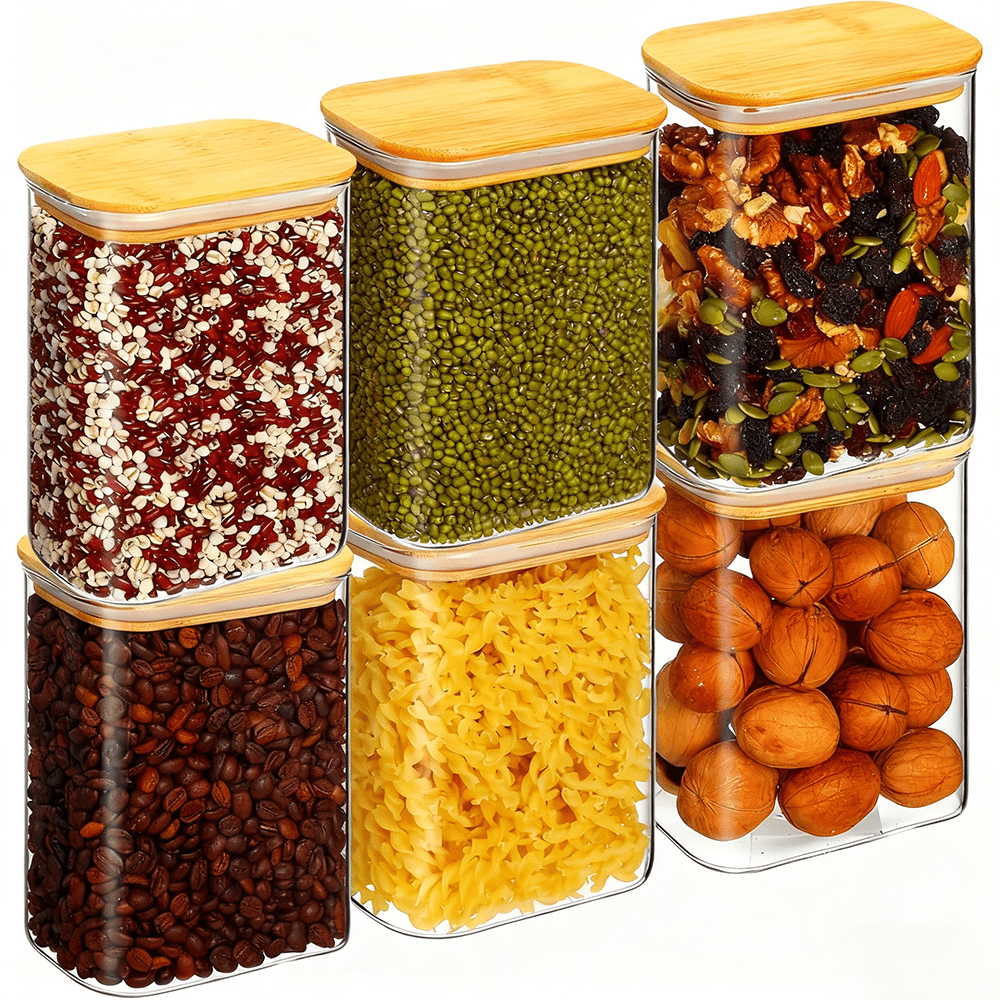
 Individuell gestaltete Glasvorratsgläser mit Logo sind mittlerweile ein fester Bestandteil des Sortiments von Küchenfachhändlern, Marken für die Essensvorbereitung und umweltfreundlichen Produktlinien. Die Gläser selbst sind zwar Massenware, doch die Wahl eines Lieferanten, der Fachwissen über Borosilikatglas, zuverlässige Logo-Aufbringung und gleichbleibende Qualität vereint, entscheidet darüber, ob die Produktlinie erfolgreich ist. Nach zehn Jahren in der Leitung der Produktion von Borosilikatglas habe ich beobachtet, dass Einkäufer sich oft auf den Preis und das Aussehen der Muster konzentrieren, dabei jedoch die Qualität der Glühbehandlung und die Haltbarkeit des Logos außer Acht lassen. Dieser Leitfaden zeigt Ihnen, worauf Sie in jeder Phase tatsächlich achten müssen, um Rücksendungen zu vermeiden und Ihre Marke zu schützen.
Worauf man bei einer Sonderanfertigung achten sollte Glasgefäß Hersteller
Die Glaszusammensetzung ist der Ausgangspunkt. Borosilikatglas (Koeffizient 3,3) hält Temperaturschocks weitaus besser stand als Kalk-Natron-Glas, das beim Übergang vom Gefrierschrank in kochendes Wasser Risse bekommt. Für die Aufbewahrung von Lebensmitteln und die Verwendung in der Mikrowelle ist Borosilikatglas der Standard. Fragen Sie den Hersteller nach der Glasart im Datenblatt; wenn er den Ausdehnungskoeffizienten nicht nennen kann, wird wahrscheinlich Kalk-Natron-Glas verwendet.
s)
Auch die Ausrüstung spielt eine Rolle. Achten Sie auf automatisierte Formungslinien und Glühöfen, die das Glas durch einen kontrollierten Abkühlzyklus führen. Eine unzureichende Glühbehandlung hinterlässt innere Spannungen, die Wochen später zu spontanem Bruch führen können. Ein einzelner Tunnelglühofen mit geeigneten Temperaturzonen ist das Minimum. In unserem eigenen Betrieb kommen auf einer Fläche von 40.000 Quadratmetern 100 automatisierte Maschinen zum Einsatz, doch die Anzahl ist weniger wichtig als das Vorhandensein eines Temperofens, der auf die Temperaturkurve von Borosilikatglas kalibriert ist.
Über Material und Ausrüstung hinaus sollten Sie die Kapazitäten und das Produktsortiment des Lieferanten prüfen. Ein Hersteller, der täglich 200.000 Stück produziert, beliefert bereits große Abnehmer und hat wahrscheinlich Werksaudits durch unabhängige Dritte bestanden. Prüfen Sie, ob die benötigten Deckelvarianten angeboten werden: Bambus, Kork, Edelstahl mit Silikondichtung oder Metall. Nachstehend finden Sie eine Übersichtstabelle mit gängigen Spezifikationen für Borosilikatgläser, basierend auf unserer Produktbibliothek:
| Kapazität | Dimension | Deckeltyp | Temperaturbereich |
|---|---|---|---|
| 300ml | 5,8 × 16,4 cm | Holzdeckel | -20°C bis 300°C |
| 500ml | 6,6 × 20,7 cm | Holzdeckel | -20°C bis 300°C |
| 750ml | 7,0 × 25,9 cm | Edelstahl + Silikon | -20°C bis 300°C |
| 1000ml | 7,5 × 25,0 cm | Edelstahl + Silikon | -20°C bis 300°C |
Ein seriöser Hersteller legt Maßtoleranzen und Daten zur Dichtheitsprüfung der Deckeldichtung vor. Eine Dichtung, die nach wenigen Spülgängen undicht wird, macht das Produkt wertlos.
Möglichkeiten zur individuellen Gestaltung des Logos auf Glasvorratsgläsern
Das Aufbringen eines Markenlogos auf Gläser ist kein einheitlicher Prozess. Die wichtigsten Verfahren sind der Hochtemperatur-Siebdruck, die Lasergravur und der Abziehbild-Transfer. Jedes dieser Verfahren zeichnet sich durch unterschiedliche Haltbarkeit, Mindestbestellmengen und Eignung für Oberflächen mit Lebensmittelkontakt aus.
Beim Hochtemperatur-Siebdruck werden Keramikfarben verwendet, die bei über 500 °C in das Glas eingebrannt werden. Das Logo wird Teil der Glasoberfläche und übersteht Spülmaschinenzyklen, ohne zu verblassen. Dies ist das bevorzugte Verfahren für Lebensmittelgläser, da die Farbe nach dem Einbrennen chemisch inert ist. Bei der Lasergravur wird die Glasoberfläche geätzt, um eine dauerhafte Markierung zu erzeugen; da jedoch keine Farbe zum Einsatz kommt, eignet sich dieses Verfahren am besten für minimalistisches Branding. Abziehbild-Transfers sind bei kleinen Auflagen kostengünstiger, können sich jedoch nach wiederholtem Spülen ablösen.
| Verfahren | Dauerhaftigkeit | Spülmaschinenfest | Einrichtungskosten | Optimale Verwendung |
|---|---|---|---|---|
| Hochtemperatur-Siebdruck | 5+ Jahre | Ja | Höher | Farbige Logos, Lebensmittelgläser |
| Lasergravur | Unbefristet | Ja | Mittel | Minimalistisches Design, edle Linienführung |
| Abziehbild-Transfer | 1–2 Jahre | Begrenzt | Niedrig | Kurzfristige Werbeaktionen |
Wenn Ihre Markenfarben eine präzise Pantone-Farbanpassung erfordern, ist der Siebdruck das einzige Verfahren, bei dem der Farbton erhalten bleibt. Vergewissern Sie sich, dass der Hersteller bleifreie, lebensmittelechte Keramikfarben verwendet, und fordern Sie einen Abriebtestbericht an. Ich habe bereits Chargen zurückgewiesen, bei denen die Farbschicht ungleichmäßig war, weil der Rakeldruck nicht auf den jeweiligen Gefäßdurchmesser abgestimmt war. Dieser Unterschied ist auf einem Foto nicht zu erkennen, zeigt sich jedoch bereits nach dem ersten Spülgang in einer gewerblichen Spülmaschine.
Was Qualitätszertifikate für maßgefertigte Glasbehälter bedeuten
In den Vereinigten Staaten verkaufte Glaswaren, die mit Lebensmitteln in Berührung kommen, müssen die Anforderungen der FDA gemäß 21 CFR hinsichtlich extrahierbaren Bleis und Kadmiums erfüllen. Für die EU gilt die LFGB-Norm, die die Migration von Schwermetallen unter sauren und alkoholischen Simulanzien prüft. Ein Hersteller, der sowohl FDA- als auch LFGB-Zertifikate vorweisen kann, hat in kontinuierliche Prüfungen durch unabhängige Dritte investiert und nicht nur einen einmaligen Laborbericht vorgelegt.
Über die chemische Sicherheit hinaus zeugen Zertifizierungen wie BSCI und ISO 9001 von einer disziplinierten Fertigung. BSCI-Audits umfassen die Arbeitsbedingungen und die Ordnung in der Fabrik, während ISO 9001 dokumentierte Qualitätskontrollverfahren bestätigt. Wenn ich eine Lieferung von Gläsern bewerte, überprüfe ich, ob die Temperaturprotokolle des Glühofens für jede Charge aufbewahrt werden. Ohne diese Unterlagen lässt sich ein plötzlicher Anstieg der Bruchquote nicht auf einen Ofenfehler zurückführen.
Ein Hersteller mit einem Prüfnachweis von über 100 Zertifizierungen ist für ein gut geführtes Borosilikatglaswerk nichts Ungewöhnliches. Fordern Sie die konkreten Prüfberichte für Ihr spezifisches Glasmodell an, nicht nur ein allgemeines Zertifikat. Wenn der Lieferant zögert, verfügt er möglicherweise nicht über die Prüfdaten.
Falls Ihre Produktlinie für den europäischen Markt LFGB-konform sein muss, überprüfen Sie bitte die Prüfberichte des Herstellers, bevor Sie sich für eine Form entscheiden. Senden Sie Ihre Anforderungen an [email protected], um die Verfügbarkeit der Unterlagen zu überprüfen.
So funktionieren die individuelle Anpassung von Formen und die Probenahme
Eine individuelle Glasform beginnt mit einer Form. Die Form wird in der Regel aus Gusseisen oder Edelstahl gefertigt und auf die exakten Hohlraummaße bearbeitet. Die Formkosten liegen je nach Anzahl der Hohlräume und Komplexität zwischen einigen hundert und mehreren tausend Dollar. Für ein einzelnes, einzigartiges Glasdesign müssen Sie mit Kosten von $800 bis $3.000 für eine Form mit vier Kavitäten rechnen, wobei das Werkzeug auch dann in Ihrem Besitz bleibt, wenn Sie später den Lieferanten wechseln.
Sobald die Form fertig ist, fertigt das Werk ein Vorserienmuster an. Dieses Muster ist kein Endprodukt, sondern ein Erstmuster aus der neuen Form. Sie prüfen dieses Muster auf Gewicht, Gleichmäßigkeit der Wandstärke und optische Mängel. Ich unterziehe mindestens drei Muster einem Thermoschocktest: Ich fülle sie mit kochendem Wasser und stelle sie anschließend sofort in Eiswasser. Ein ordnungsgemäß geglühtes Borosilikatglas wird dabei nicht zerbrechen.
Nach der Freigabe des Musters führt das Werk einen Probelauf mit 50 bis 100 Stück durch, um die gesamte Dekorations- und Montagelinie zu validieren. Der Probelauf muss genehmigt werden, bevor der Großauftrag freigegeben wird. Die Phase der Musterfertigung dauert in der Regel 15 bis 20 Tage, der Probelauf verlängert diese um eine weitere Woche.
Verwaltung von Produktionszeitplänen und Verpackung
Die übliche Lieferzeit für eine Bestellung von Glasbehältern mit individuellem Logo beträgt 25 bis 35 Tage nach Freigabe des Musters, abhängig vom Auftragsvolumen und der Komplexität des Siebdrucks. Bei Großaufträgen von mehr als 50.000 Stück kann sich die Lieferzeit aufgrund von Kapazitätsengpässen bei der Formherstellung und dem Tempern auf bis zu 45 Tage verlängern.
Die Verpackungsoptionen reichen von schlichten weißen Kartons mit Schaumstoffeinlagen bis hin zu vollfarbigen Verkaufsverpackungen mit gestanzten Einlegern. Wenn Ihre Marke über Amazon verkauft wird, muss die Verpackung die ISTA-Falltests bestehen. Wir berücksichtigen diese Anforderungen von Anfang an beim Verpackungsdesign, da eine Nachrüstung der Verpackung nach einem nicht bestandenen Falltest mehrere Wochen Verzögerung verursacht.
Für den Seetransport werden die Gläser in Umkartons zu 24 oder 36 Stück mit Trennwänden aus Wellpappe verpackt. Ein 40-Fuß-Container fasst je nach Größe etwa 30.000 Gläser. Der Lufttransport ist nur für kleine Musterbestellungen unter 500 Stück sinnvoll.
Individuell gestaltete Glasvorratsgläser mit Logo bieten hohe Gewinnspannen, doch die Qualität des Glases, des Drucks und der Qualitätskontrollprozesse Ihres Lieferanten wirkt sich direkt auf die Kundenzufriedenheit aus. Wenn Sie eine Eigenmarken-Glasreihe planen, besprechen wir gerne Ihre Anforderungen mit Ihnen und stellen Ihnen ein Muster zur Verfügung. Wenden Sie sich bitte an Zhang Wei unter [email protected].
Häufig gestellte Fragen zur Beschaffung von individuell gestalteten Glasbehältern
Wie hoch ist die Mindestbestellmenge für Gläser mit individuellem Logo?
Die Mindestbestellmenge hängt von der Komplexität der Form und der Dekoration ab. Bei einem Standardglas, das mit einer vorhandenen Form und Siebdruck hergestellt wird, akzeptieren manche Fabriken bereits Bestellungen ab 500 Stück. Bei einer vollständig maßgefertigten Form liegt die Mindestmenge in der Regel bei 3.000 bis 5.000 Stück, um die Werkzeugkosten zu amortisieren. Für Neukunden akzeptieren wir manchmal Probebestellungen von nur einem Stück, damit diese die Qualität überprüfen können, bevor sie sich zu einer Großbestellung verpflichten.
Wie lange dauert die Produktion nach der Freigabe des Musters?
Sofern alle Materialien vorrätig sind, dauert die Produktion einer typischen Charge von 10.000 Gläsern mit individuellem Logo 30 bis 35 Tage. Größere Aufträge oder solche, die mehrere Siebdruckfarben erfordern, können bis zu 45 Tage in Anspruch nehmen. Der Engpass liegt in der Regel im Abkühlzyklus des Glühofens und nicht in der Druckgeschwindigkeit.
Kann ich in einer Sendung verschiedene Glasgrößen mischen?
Ja. Es ist üblich, Gläser mit 300 ml, 500 ml und 750 ml Fassungsvermögen in derselben Charge zu mischen. Für jede Größe sind eine eigene Form und eine eigene Siebdruckschablone erforderlich, daher fallen für jede Größe separate Rüstkosten an. Wir koordinieren die Produktion so, dass alle Größen innerhalb derselben Woche fertiggestellt werden, um den Versand zu bündeln.
Wie stelle ich sicher, dass das Logo auch nach wiederholtem Waschen noch gut lesbar bleibt?
Geben Sie einen hochtemperaturbeständigen Siebdruck mit einer Abriebprüfung nach dem Einbrennen an. Der Hersteller sollte einen Prüfbericht vorlegen, aus dem hervorgeht, dass nach einer festgelegten Anzahl von Spülmaschinenzyklen keine sichtbaren Beeinträchtigungen vorliegen. In unserem Qualitätsprotokoll unterziehen wir Proben 100 Spülgängen in gewerblichen Geschirrspülmaschinen und verlangen, dass keine Verblassung oder Kantenablösung auftritt. Befindet sich das Logo im Lebensmittelkontaktbereich, muss die Druckfarbe zudem die Grenzwerte für die Schwermetallmigration gemäß LFGB einhalten.
Was passiert, wenn die Gläser beschädigt geliefert werden?
Alle Lieferungen sollten einen Prüfbericht vor dem Versand enthalten. Wir halten die Bestellung zurück, bis ein unabhängiger externer Prüfer die Glasklarheit, die Unversehrtheit der Versiegelung und die Qualität der Dekoration überprüft hat. Wenn die Mängel den vereinbarten AQL-Wert überschreiten, fertigen wir die betroffenen Stücke vor dem Versand neu an. Nach der Lieferung sind Transportschäden durch die Transportversicherung abgedeckt, sofern die Verpackung den ISTA-Standards entspricht. Bei langfristigen Programmen erfassen wir die Chargennummer, das Ofenprotokoll und die Schicht des Bedieners, damit sich etwaige Muster bei Rücksendungen auf einen bestimmten Produktionszyklus zurückverfolgen lassen. Teilen Sie uns Ihre Qualitäts- und Konformitätsanforderungen frühzeitig mit, damit wir die Prüfpunkte unter [email protected] entsprechend anpassen können.
Wenn Sie daran interessiert sind, sollten Sie sich diese verwandten Artikel ansehen:
der ultimative Leitfaden für tägliche Aktionen zum Schutz der Erde
Leitfaden für Importeure: Edelstahl- vs. Glasflaschen – Lieferantenübersicht