
 Spanish
  English
  Arabic
  German
 Sourcing glass drinkware for airlines and high-end hotels involves more than finding a supplier who can ship on time. The material has to perform under conditions most people never think about—pressure changes at 35,000 feet, dishwasher cycles that run hundreds of times a year, and the expectation that every glass looks pristine when it reaches a guest. Borosilicate glass handles these demands better than most alternatives, which is why it keeps showing up in specifications from procurement teams who have learned the hard way what happens when cheaper options fail.
What Airlines Actually Need From Their Glassware
Cabin environments create unique stress on drinkware. Pressure fluctuations during ascent and descent can exploit microscopic weaknesses in glass structure, and the constant handling by cabin crew means every piece gets tested repeatedly. Borosilicate glass earns its place in airline catering supplies because its molecular structure resists thermal shock and mechanical stress far better than standard soda-lime formulations.
The certification landscape matters here. Products destined for in-flight service need to clear multiple regulatory hurdles before they ever touch a beverage cart.
| Certification Body | Ámbito de aplicación | Relevance for Airline Glassware |
|---|---|---|
| FDA | Food Contact Safety | Essential for food-grade glass |
| CE | European Conformity | Mandatory for EU market entry |
| ISO | Quality Management Systems | Ensures consistent production |
These aren’t just paperwork exercises. FDA certification confirms the glass won’t leach harmful substances into beverages. CE marking opens European routes. ISO compliance means the factory producing your order today will deliver the same quality six months from now when you reorder.
The heat-resistant properties of borosilicate glass matter for practical reasons too. Flight attendants pour hot coffee and serve chilled drinks within minutes of each other. Glass that can handle temperature swings from -20°C to 300°C without cracking eliminates a category of problems that cheaper materials create.
For deeper insights into evaluating potential manufacturing partners, 《cinco reglas de oro para encontrar proveedores excelentes guía de adquisición de productos de vidrio borosilicato》 covers the essential criteria worth examining.
Why Premium Hotels Invest in Better Glassware
Guests in luxury properties notice details. The weight of a glass in their hand, the clarity of the material, the way light passes through it—these small signals communicate something about the establishment’s standards. High-quality glass drinkware contributes to that impression in ways that are difficult to quantify but easy to feel.
The practical benefits run parallel to the aesthetic ones. Borosilicate glass survives commercial dishwasher cycles that would cloud or weaken lesser materials. Restaurant glass solutions built from this material maintain their appearance through years of service, which changes the replacement math considerably.
Customization opens additional possibilities for brand differentiation. A signature glass shape or an etched logo transforms generic drinkware into a touchpoint for brand identity.
| Nombre del producto | Rango de capacidad | Características principales |
|---|---|---|
| Vaso de vidrio borosilicato con tapa de madera | 300ml – 1000ml | Heat-resistant, leak-proof, eco-friendly, custom logo available |
| Vaso de té de vidrio borosilicato | 420ml / 500ml / 1000ml | Wide mouth design, heat-resistant, leak-proof, BPA-free |
| Vajilla de vidrio borosilicato sin BPA | 420ml / 500ml / 1000ml | Heat-resistant, leak-proof, taste-neutral, 304 Stainless Steel Lid |
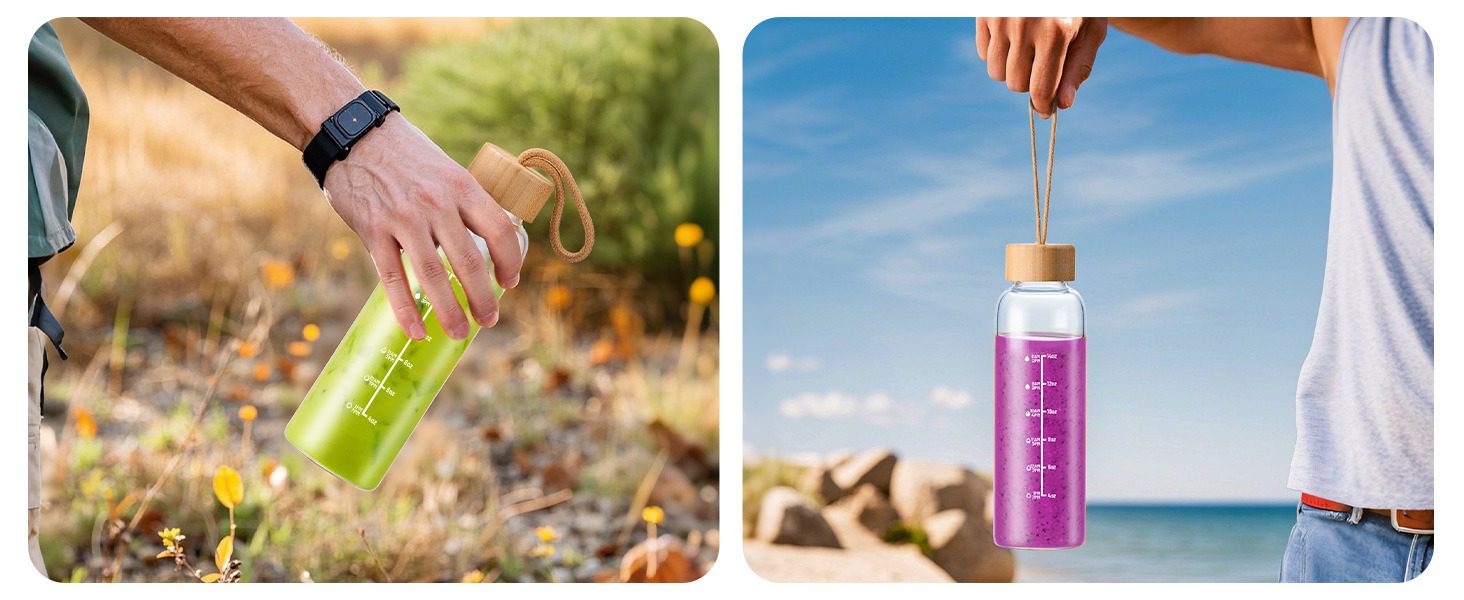
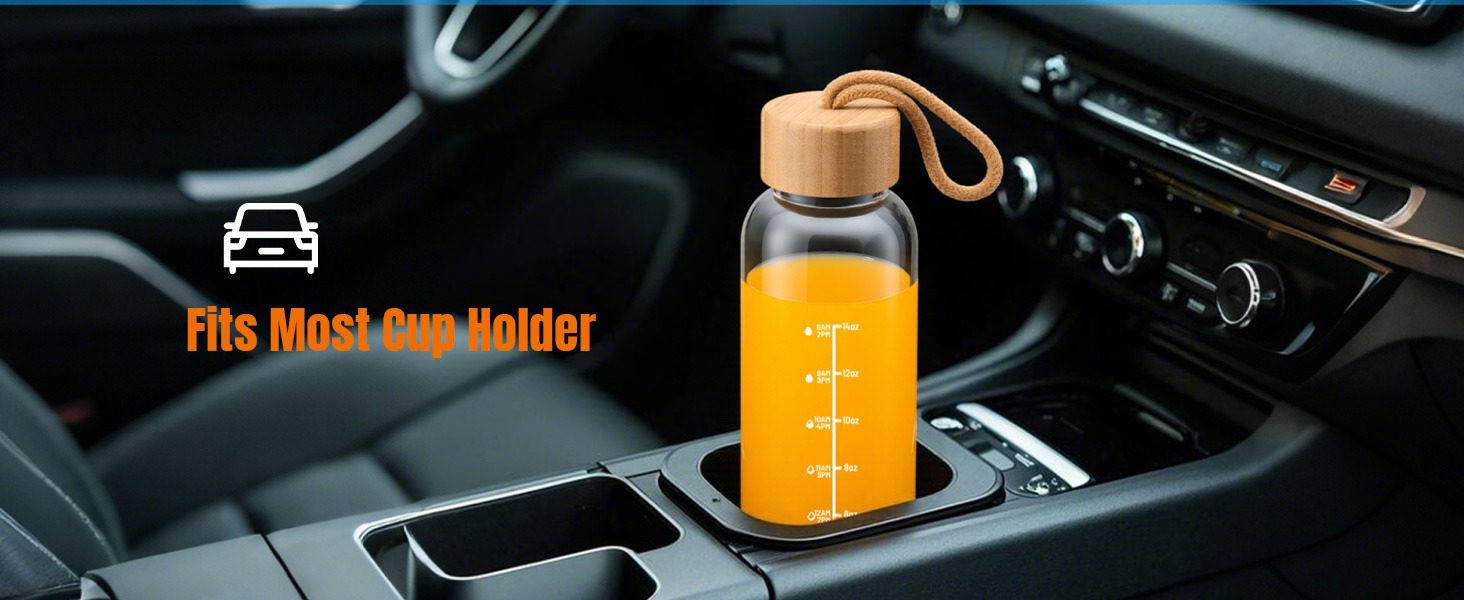
These products work across multiple hospitality contexts. The same thermal properties that make them suitable for hot tea service also make them reliable for cold beverages. Luxury hotel glassware needs to perform consistently regardless of what gets poured into it.
The Science Behind Borosilicate Performance
The difference between borosilicate and standard glass comes down to chemistry. Borosilicate contains boron trioxide, which fundamentally changes how the material responds to temperature changes. The coefficient of thermal expansion drops significantly compared to soda-lime glass, meaning the material expands and contracts less when heated or cooled.
This reduced expansion is why borosilicate glass handles thermal shock without cracking. Pour boiling water into a cold borosilicate glass and nothing happens. Try the same thing with ordinary glass and you risk a shattered mess.
For procurement professionals calculating total cost of ownership, this durability translates directly to lower replacement rates. Fewer breakages mean fewer emergency orders, less waste, and more predictable inventory management. The upfront cost difference between borosilicate and cheaper alternatives often disappears within the first year of service.
The material also maintains food-grade safety standards without additives or coatings that might degrade over time. BPA-free and lead-free production ensures the glass remains inert—it won’t affect the taste of beverages or release anything into the contents. This matters for both regulatory compliance and guest experience.
Managing International Logistics for Fragile Goods
Glass drinkware presents obvious challenges for global distribution. The combination of fragility and weight makes shipping expensive and risky if not handled properly. A manufacturing partner’s logistics capabilities matter almost as much as their production quality.
Scale helps here. A facility producing 200,000 pieces daily across 100 advanced machines can fulfill bulk glass orders without the delays that plague smaller operations. That production capacity, spread across 40,000 square meters of factory space, supports the kind of consistent output that international supply chains require.
Experience with global glass export shows in the details. Proper packaging for fragile goods, documentation that clears customs efficiently, and relationships with freight carriers who understand how to handle glass shipments—these operational capabilities determine whether orders arrive intact and on schedule.
Markets across North America, South America, Europe, and Oceania each have their own regulatory requirements and logistical quirks. A supplier who has navigated these variations repeatedly brings institutional knowledge that prevents costly mistakes.
For technical background on material selection, 《cómo distinguir el vidrio sódico-cálcico del vidrio borosilicato》 explains the key differences that affect performance.
Building Brand Identity Through Custom Glass Design
Generic drinkware serves a function but misses an opportunity. Custom glass drinkware hospitality programs turn every beverage service into a brand touchpoint. The glass itself becomes part of the experience rather than just a container.
The range of customization options has expanded considerably. Beyond simple logo application, manufacturers can now produce unique shapes, specialized capacities, and coordinated collections that create visual coherence across a property’s food and beverage operations. Private label glass programs give brands exclusive products that competitors cannot replicate.
Design innovation in this space continues to evolve. Forty-five appearance patents represent accumulated expertise in creating distinctive forms that balance aesthetic appeal with practical durability. OEM glass products developed through close collaboration allow brands to specify exactly what they need rather than choosing from existing catalogs.
The process typically starts with design consultation, moves through prototyping, and scales to production once specifications are finalized. This collaborative approach ensures the final product matches the client’s vision while meeting all performance requirements.
Evaluating Potential Manufacturing Partners
The decision about which glassware manufacturer to work with shapes outcomes for years. A thorough evaluation process pays dividends long after the initial order ships.
| Criterios de evaluación | Descripción |
|---|---|
| Certificaciones | FDA, CE, ISO for quality and safety |
| Capacidad de producción | Daily output, ability to scale for bulk orders |
| Control de calidad | In-house testing, adherence to international standards |
| Capacidades de personalización | OEM/ODM services, design flexibility |
| Export Experience | Global logistics, understanding of international trade |
Certifications provide baseline assurance, but the number and scope of testing protocols tell a fuller story. A supplier with 120 testing certifications has invested heavily in quality infrastructure. That investment reflects a commitment to consistency that matters when your brand reputation depends on product performance.
Production capacity deserves careful attention. Can the supplier handle your current volume? More importantly, can they scale if your needs grow? A minimum order quantity of one piece offers flexibility for sampling and specialized projects, but the real question is whether the operation can deliver thousands of units on a predictable schedule.
Customer support throughout the relationship—from initial design discussions through post-delivery follow-up—indicates how the partnership will function over time. Responsive communication and problem-solving capability matter when issues inevitably arise.
Working With Xuzhou Jianmei Glass Products Co., Ltd.
Xuzhou Jianmei Glass Products Co., Ltd. brings focused expertise to borosilicate glass manufacturing for demanding applications. The combination of 45 appearance patents, 120 certifications, and daily production capacity of 200,000 pieces supports custom, high-quality glass drinkware solutions for airline and premium hospitality requirements. Reach out at [email protected] to discuss your specific needs.
Frequently Asked Questions About Premium Glass Drinkware Sourcing
What certifications should procurement teams prioritize when sourcing glass drinkware for airlines and hotels?
FDA certification confirms food contact safety and is non-negotiable for any glass that will hold beverages. CE certification opens access to European markets and demonstrates compliance with EU safety standards. ISO certification addresses manufacturing consistency, ensuring that quality remains stable across production runs. Together, these certifications provide the foundation for food-grade glass safety verification.
What makes borosilicate glass more durable than standard alternatives in high-use environments?
The boron trioxide in borosilicate glass reduces its coefficient of thermal expansion, which means the material handles temperature changes without the stress that causes cracking in ordinary glass. This thermal shock resistance translates to fewer breakages during dishwasher cycles, temperature transitions, and the general handling that occurs in busy airline and hospitality operations. The material’s inherent strength makes it genuinely durable glass drinkware rather than just marketing language.
How extensive are the customization options for branded hospitality glassware?
Customization ranges from basic logo application to completely bespoke designs developed through OEM collaboration. Manufacturers can produce specific capacities, unique shapes, and coordinated product families. Private label programs create exclusive products unavailable to competitors. The design process typically involves consultation, prototyping, and refinement before scaling to production volumes.