
 Spanish
  English
  Arabic
  German
 La cristalería de marca propia se ha convertido en una de esas categorías en las que las cifras realmente salen a cuenta para los vendedores de Amazon. Los márgenes se mantienen, el producto queda bien en las fotos y los compradores siguen volviendo para comprar recambios y ampliar su colección. He visto cómo este segmento crecía de forma constante a medida que más consumidores dejaban de lado el plástico y se decantaban por el cristal por motivos de salud y medioambientales. Sin embargo, es en el ámbito del abastecimiento donde la mayoría de los vendedores o bien construyen un negocio sólido o bien se quedan atascados en un ciclo interminable de problemas de calidad y complicaciones con los envíos.
Por qué la cristalería de marca propia funciona en Amazon
La sección de artículos para el hogar y menaje de cocina de Amazon no deja de crecer, y la cristalería ocupa un lugar privilegiado dentro de ese crecimiento. Productos como las botellas de agua de vidrio borosilicato, los vasos de cristal y los tarros de conservación se venden muy bien porque resuelven problemas reales. La gente busca recipientes que no liberen sustancias químicas, que resistan los cambios de temperatura y que queden bien en la encimera de la cocina.
Las marcas blancas de esta categoría suelen alcanzar márgenes de beneficio superiores a 25% cuando el abastecimiento se gestiona correctamente. Esa cifra refleja la ventaja de prescindir de intermediarios y controlar la propia imagen de marca. El aspecto de la sostenibilidad también resulta atractivo para los compradores. El vidrio es reciclable, no es tóxico y transmite una sensación de alta calidad al tacto.
| Segmento de mercado | Previsión de crecimiento (Tasa de crecimiento anual compuesto, 2023-2028) | Principales factores que impulsan la demanda |
|---|---|---|
| Hogar y cocina | 8.5% | El cambio hacia el comercio electrónico, la «premiumización» |
| Cristalería | 7.2% | Sostenibilidad, preocupación por la salud |
| Marca blanca | 10.1% | Diferenciación de marca, rentabilidad |
El modelo de marca propia ofrece a los vendedores algo muy valioso: control directo sobre las especificaciones, la imagen de marca y los precios. Cuando un cliente se queja de que una tapa no cierra bien, puedes solucionarlo en la siguiente tirada de producción. Cuando un competidor copia tu diseño más vendido, puedes adaptarte más rápido de lo que jamás podría hacerlo un distribuidor.
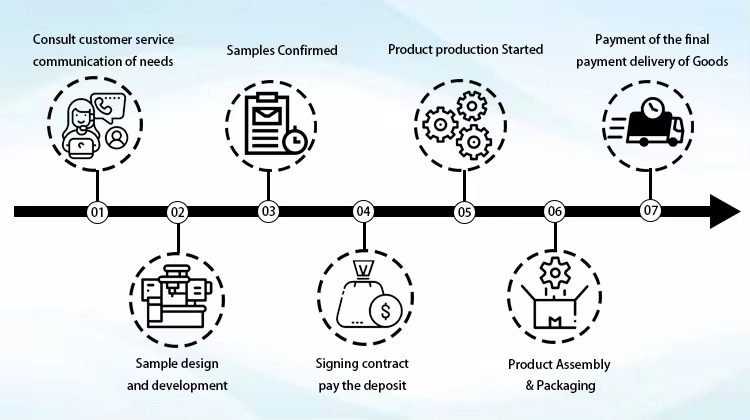
Encontrar fabricantes que realmente cumplan con lo prometido
Abastecerse de cristalería de marca blanca procedente de China parece sencillo hasta que llevas tres meses colaborando con una fábrica que no deja de incumplir los plazos. Los fabricantes que cumplen de forma constante comparten ciertas características. Cuentan con una capacidad de producción real, no solo con una sala de exposición y una red de subcontratistas. Mantienen sistemas de calidad que detectan los defectos antes del envío. Se comunican con claridad cuando surgen problemas.
Las auditorías en fábrica revelan más de lo que jamás revelará cualquier anuncio en Alibaba. Recorrer una planta de producción te permite comprobar si las máquinas están bien mantenidas, si los trabajadores siguen los procedimientos y si la estación de control de calidad cuenta realmente con personal. Las videollamadas son la segunda mejor opción, pero nada sustituye a ver con tus propios ojos cómo funciona la operación.
Nos especializamos en productos de vidrio borosilicato resistentes al calor y al frío, y ofrecemos servicios integrales de OEM y ODM. Nuestras instalaciones, con una superficie de 40 000 m², cuentan con 100 máquinas de última generación, lo que garantiza una capacidad de producción de gran volumen de 200 000 unidades al día. Mantenemos un estricto control de calidad, respaldado por 120 certificaciones, entre las que se incluyen la de la FDA y la CE. Por ejemplo, nuestro botella de agua de vidrio borosilicato y vaso de vidrio borosilicato Los productos se someten a rigurosas pruebas para garantizar que no contienen BPA ni plomo y que son aptos para el contacto con alimentos.
¿Cómo garantizan los vendedores de Amazon el control de calidad de la cristalería de marca propia procedente de China?
El control de calidad funciona mejor como un sistema por niveles que como un único punto de control. Las inspecciones previas al envío realizadas por organismos independientes detectan los problemas antes de que los contenedores salgan del puerto. Los controles durante el proceso de fabricación identifican los problemas cuando aún hay tiempo para corregirlos. La verificación de la certificación confirma que el cumplimiento de las normas de la FDA y la CE no es solo una afirmación, sino que está documentado.
El enfoque más fiable es el que combina los tres. Confiar únicamente en la inspección final supone detectar los problemas cuando su solución resulta más costosa. Proporcionamos una documentación de certificación exhaustiva para nuestros productos de vidrio borosilicato, lo que simplifica el proceso de verificación del cumplimiento normativo para los vendedores que acceden a mercados regulados.
Creación de cristalería que destaca
La diferenciación de productos en la cristalería de marca propia va más allá de limitarse a colocar un logotipo en una botella genérica. El propio material es importante. El vidrio borosilicato soporta cambios de temperatura que harían que el vidrio sodocálcico común se agrietara. No se trata de retórica comercial, sino de química. El óxido de boro presente en la composición del vidrio reduce la expansión térmica, razón por la cual el material se utiliza en el equipamiento de laboratorio.
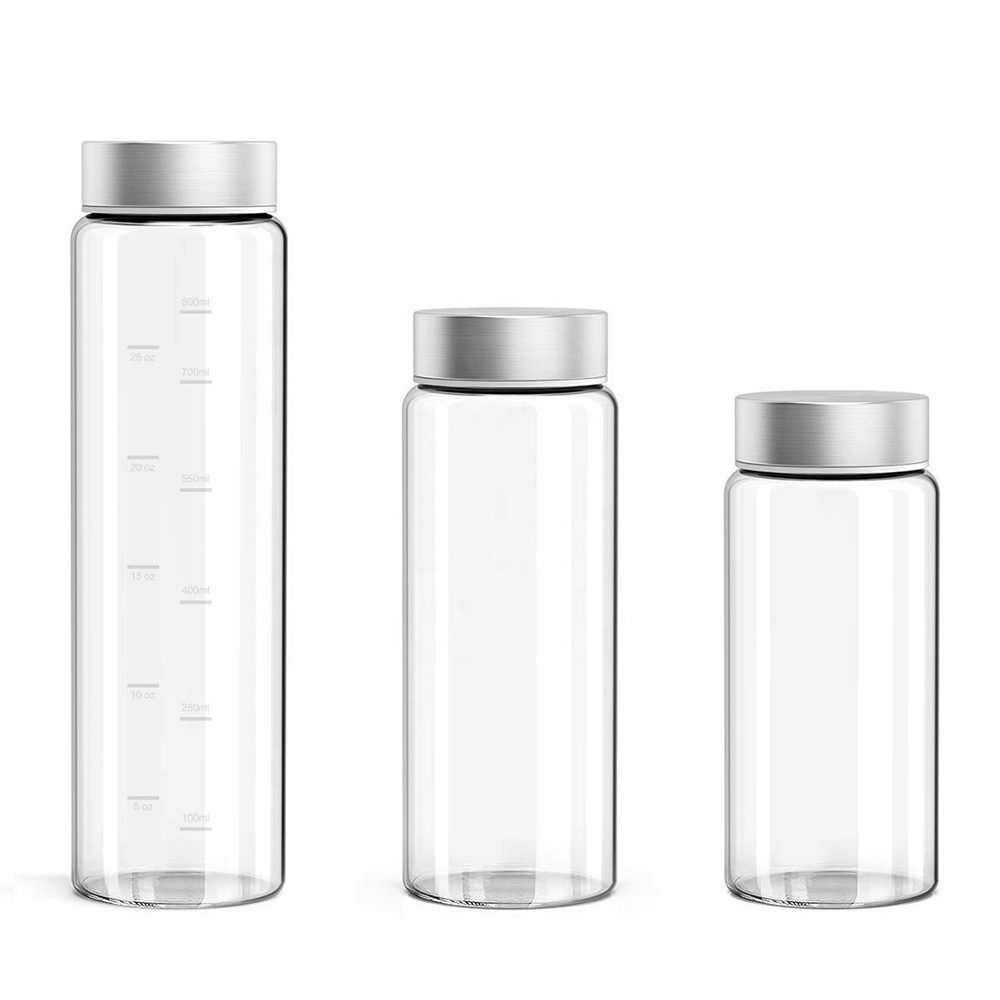
La personalización abarca todos los aspectos del producto. La forma del cuerpo de cristal influye tanto en la estética como en el agarre. La capacidad determina los usos que se le pueden dar. El diámetro de la abertura influye en la facilidad con la que se limpia el producto. Características como los cierres herméticos o las tapas de bambú marcan una diferencia real que la competencia no puede imitar fácilmente.
| Tipo de producto | Opciones de personalización | Beneficios materiales |
|---|---|---|
| Botella de agua de cristal | Cuerpo, forma, tamaño, logotipo | Sin BPA, respetuoso con el medio ambiente, reciclable |
| Vaso de cristal | Capacidad, dimensiones, tipo de tapa | Resistente al calor (de -20 °C a 300 °C), sin sabor |
| Recipiente de almacenamiento | Cuerpo, forma, capacidad, altura | Hermético, apto para uso alimentario, resistente |
El diseño del embalaje y el mensaje del producto completan la experiencia de marca. La caja que abre el cliente determina su percepción incluso antes de tocar el producto. Una comunicación clara sobre lo que diferencia a tu cristalería sienta las bases para las valoraciones y las compras recurrentes.
Proteger los diseños propios mediante patentes y marcas registradas evita la frustración de ver cómo aparecen imitaciones tres meses después del lanzamiento. Contamos con 45 patentes de diseño, lo que refleja tanto nuestra inversión en diseño como nuestra comprensión de por qué la protección de la propiedad intelectual es importante en este sector.
El transporte de productos frágiles a través del océano
El envío de artículos de cristal desde China a los almacenes de Amazon FBA requiere una planificación que tenga en cuenta el problema obvio: el cristal se rompe. La cadena logística incluye múltiples puntos de manipulación, cada uno de los cuales supone un riesgo potencial de daño. Los transitarios con experiencia especializados en mercancías frágiles saben cómo minimizar estos riesgos mediante un embalaje adecuado, una ruta óptima y la selección del transportista más adecuado.
El despacho de aduanas añade complejidad. Las clasificaciones arancelarias de los artículos de cristal varían según el tipo de producto y la composición del material. Los errores en la documentación provocan retrasos que repercuten en la planificación de existencias. Los transportistas que conocen los requisitos de FBA se encargan de los preparativos que exige Amazon, incluidas las normas específicas de etiquetado y embalaje.
Nuestra experiencia abarca la gestión logística para mercados internacionales, entre los que se incluyen América del Norte, América del Sur, Europa y Oceanía. Ofrecemos cantidades mínimas de pedido (MOQ) flexibles, a partir de una sola unidad, para adaptarnos a empresas de todos los tamaños. Esta flexibilidad ayuda a los vendedores de Amazon a gestionar su inventario de forma eficaz y a reducir los riesgos de la inversión inicial.
¿Cuáles son los retos habituales y las soluciones para enviar cristalería personalizada desde China a los almacenes de Amazon FBA?
El reto que plantea la fragilidad exige soluciones de embalaje que absorban los impactos sin añadir un peso ni un coste excesivos. Los rellenos de espuma, el plástico de burbujas y los separadores de cartón ondulado desempeñan funciones distintas en función de la forma del producto y del método de envío. El objetivo es proteger el vidrio durante las distintas etapas de manipulación, manteniendo al mismo tiempo un peso volumétrico razonable.
La normativa aduanera varía según el país de destino, y los derechos de importación fluctúan en función de la política comercial. Una documentación precisa evita retrasos en el puerto. Los agentes de transporte con experiencia se mantienen al día de los requisitos de preparación para FBA, que cambian periódicamente y varían según el centro de distribución. Una gestión proactiva de los derechos de aduana mediante una clasificación arancelaria adecuada evita costes inesperados que merman los márgenes.
Crecer más allá del lanzamiento inicial
Para hacer crecer un negocio de cristalería de marca propia en Amazon es necesario prestar atención a los detalles que, con el tiempo, marcan la diferencia. Las fotografías de los productos en las que se aprecia cómo el cristal refleja la luz de forma adecuada convierten a los visitantes en compradores. Las descripciones que explican por qué el cristal de borosilicato es importante en la vida cotidiana de las personas dan mejores resultados que las listas genéricas de características.
Las opiniones de los clientes constituyen el ciclo de retroalimentación que impulsa la mejora. Las tendencias observadas en las quejas apuntan a cambios en el diseño. Los elogios ponen de relieve las características que merece la pena destacar en las campañas de marketing. El seguimiento de la competencia revela lagunas en el mercado y amenazas para los productos existentes.
La narrativa de marca distingue a los productos de marca propia de los productos básicos. La historia que hay detrás de tu cristalería, ya sea que haga hincapié en la sostenibilidad, la artesanía o la innovación, ofrece a los clientes una razón para elegir tu anuncio en lugar del siguiente. Un mensaje coherente en las páginas de productos, los envases y las comunicaciones con los clientes genera un reconocimiento que perdura más allá de los cambios en los algoritmos.
Nuestro compromiso con la calidad y la innovación, que incluye el uso de vidrio borosilicato 3,3 y certificaciones como la de la FDA y la CE, respalda el crecimiento a largo plazo de la marca de nuestros socios. No se trata solo de especificaciones, sino de elementos que avalan las afirmaciones de la marca.
¿Cómo pueden los nuevos vendedores de Amazon promocionar eficazmente su marca propia de cristalería y diferenciarla en un mercado tan competitivo?
La diferenciación comienza por identificar qué puedes ofrecer que otros no ofrecen. Los materiales de calidad superior, como el vidrio de borosilicato 3.3, aportan una auténtica ventaja en cuanto a calidad. Los diseños distintivos generan reconocimiento visual. Las características especializadas, como los mecanismos a prueba de fugas o las aberturas de boca ancha, resuelven problemas específicos de los usuarios.
La historia de la marca vincula las características del producto con los valores de los clientes. Las fotografías profesionales muestran el producto en uso, en lugar de simplemente sobre un fondo blanco. Las menciones a certificaciones como «sin BPA» y «apto para uso alimentario» abordan las preocupaciones en materia de seguridad que influyen en las decisiones de compra. En conjunto, estos elementos crean una identidad de marca que justifica un precio superior y se gana la fidelidad de los clientes.
Protección de diseños y activos de marca
La protección de la propiedad intelectual debe tenerse en cuenta antes de que comience la producción, no después de que los competidores empiecen a copiar los productos de éxito. Las patentes de diseño protegen el aspecto visual de las formas exclusivas de los artículos de cristalería. Las patentes de utilidad protegen las innovaciones funcionales. Las marcas registradas protegen los nombres de marca y los logotipos.
Los acuerdos de fabricación con proveedores chinos deben especificar claramente la titularidad de la propiedad intelectual. Los acuerdos de confidencialidad evitan que la información confidencial se difunda fuera de la fábrica. Las cláusulas sobre la titularidad de los moldes determinan quién controla las herramientas utilizadas para producir diseños personalizados. Estos documentos legales cobran especial importancia cuando las relaciones se deterioran o cuando un proveedor se plantea trabajar con tus competidores.
Un análisis exhaustivo de las prácticas del fabricante en materia de propiedad intelectual permite determinar si una fábrica respeta los límites establecidos. El historial de litigios sobre propiedad intelectual, los protocolos de seguridad internos y la disposición a firmar acuerdos de protección son indicadores de la seriedad con la que un proveedor se toma estas cuestiones. Nuestra empresa es titular de 32 derechos de propiedad intelectual y 45 patentes de diseño, lo que demuestra tanto nuestra inversión en innovación como nuestra comprensión de por qué estas protecciones son importantes para todas las partes implicadas.
Preguntas frecuentes
¿Cuáles son las certificaciones más habituales que se exigen para importar artículos de cristal de China a Amazon FBA?
La certificación de la FDA abarca los materiales en contacto con alimentos destinados al mercado estadounidense y confirma que la composición del vidrio cumple con las normas de seguridad. El marcado CE cumple con los requisitos europeos. Pueden aplicarse certificaciones adicionales en función del país de destino y de las características específicas del producto. Los fabricantes de confianza proporcionan la documentación necesaria para facilitar el despacho de aduanas y el cumplimiento de los requisitos de registro. Nuestros productos de vidrio borosilicato incluyen paquetes de certificación completos que simplifican la entrada en el mercado.
¿Cómo pueden los vendedores de Amazon minimizar los riesgos a la hora de adquirir cristalería de marca propia a nuevos proveedores chinos?
La reducción de riesgos comienza con la verificación. Las auditorías de fábrica confirman que la capacidad de producción se ajusta a lo declarado. La comprobación de las licencias comerciales garantiza que la empresa existe tal y como se presenta. Los pedidos de muestra revelan la calidad real del producto antes de comprometerse con grandes volúmenes. El establecimiento temprano de canales de comunicación claros evita malentendidos durante la producción. Las medidas de control de calidad a lo largo de todo el proceso de fabricación detectan los problemas antes de que lleguen a los clientes. Los acuerdos de propiedad intelectual protegen los diseños frente al uso no autorizado.
¿Cuál es el plazo de entrega habitual para los pedidos de cristalería personalizada de marca propia procedentes de China, incluido el envío a Amazon FBA?
Los plazos de producción dependen de la complejidad del diseño y del volumen del pedido. Los pedidos personalizados estándar suelen requerir entre 30 y 60 días para su fabricación. El transporte marítimo hasta los almacenes de Amazon FBA añade entre 20 y 45 días, dependiendo del puerto de destino y de las condiciones de envío vigentes. El plazo total desde la realización del pedido hasta la entrega en FBA suele oscilar entre 50 y 105 días. Trabajar con fabricantes que mantengan la capacidad de producción y con transportistas que conozcan los requisitos de FBA ayuda a que los plazos sean predecibles.
Asóciate con Xuzhou Jianmei para alcanzar el éxito en el sector de la cristalería
Potencia tu marca propia de cristalería en Amazon con Xuzhou Jianmei Glass Products Co., Ltd. Aprovechamos nuestra experiencia en vidrio borosilicato resistente al calor y al frío, nuestras 45 patentes de diseño y nuestras 120 certificaciones (FDA, CE) para crear productos personalizados y de alta calidad. Desde el diseño hasta la entrega, nuestra avanzada tecnología de fabricación y nuestro flexible pedido mínimo (1.000 unidades) te ayudan a alcanzar el éxito. Ponte en contacto con [email protected] para establecer una colaboración estratégica.