
 Spanish
  English
  Arabic
  German
 Vender artículos de cristal en Amazon FBA implica aceptar una dura realidad: la red de logística trata cada paquete como si fuera a sufrir caídas, apilamientos y sacudidas a lo largo de los distintos puntos de manipulación. He visto a vendedores perder envíos enteros por roturas porque subestimaron lo que realmente significa “frágil” en el sistema de Amazon. La diferencia entre obtener beneficios o sufrir pérdidas suele depender de lo bien que comprendas el protocolo de pruebas ISTA 6-Amazon.com-SI y de si tu proveedor es capaz de diseñar un embalaje que lo supere. No se trata simplemente de marcar una casilla de cumplimiento. Se trata de desarrollar una estrategia de abastecimiento que tenga en cuenta todas las tensiones a las que se verán sometidos tus productos de cristal antes de llegar a la puerta del cliente.
Lo que Amazon comprueba realmente al evaluar el embalaje de los productos frágiles
Amazon FBA exige unas normas de embalaje específicas para los productos frágiles con el fin de garantizar que resistan una red de distribución diseñada para la rapidez, no para el cuidado. El protocolo de ensayo ISTA 6-Amazon.com-SI constituye el núcleo de estos requisitos. Desarrollado por la Asociación Internacional para el Transporte Seguro (ISTA), este ensayo simula los maltratos reales a los que se ven sometidos los paquetes durante el envío: caídas desde diversas alturas, vibraciones continuadas que imitan el transporte en camión y fuerzas de compresión derivadas del apilamiento en los almacenes.
En el caso de los productos de vidrio, los parámetros de la prueba de caída son los más importantes. El protocolo evalúa productos embalados con un peso de hasta 150 libras (68 kg) mediante una secuencia que incluye caídas en plano, caídas sobre los bordes y caídas sobre las esquinas desde alturas específicas. Un producto embalado de menos de 21 libras (9,5 kg) puede someterse a una caída horizontal desde 30 pulgadas, seguida de múltiples caídas sobre el borde y las esquinas desde 24 pulgadas. Un fallo no solo significa que el vidrio se rompa. Implica devoluciones, órdenes de retirada y la posible suspensión de los privilegios de venta.
| Parámetro de prueba | Descripción |
|---|---|
| Prueba de caída | Los paquetes se someten a caídas desde distintas alturas y en distintas orientaciones (en plano, de canto, por las esquinas) para simular los impactos accidentales que se producen durante su manipulación. |
| Ensayo de vibración | Las vibraciones aleatorias simulan las sacudidas continuas a las que se ven sometidos los productos durante su transporte en vehículo. |
| Ensayo de compresión | La presión constante simula el peso de los paquetes apilados en los almacenes y los contenedores de transporte |
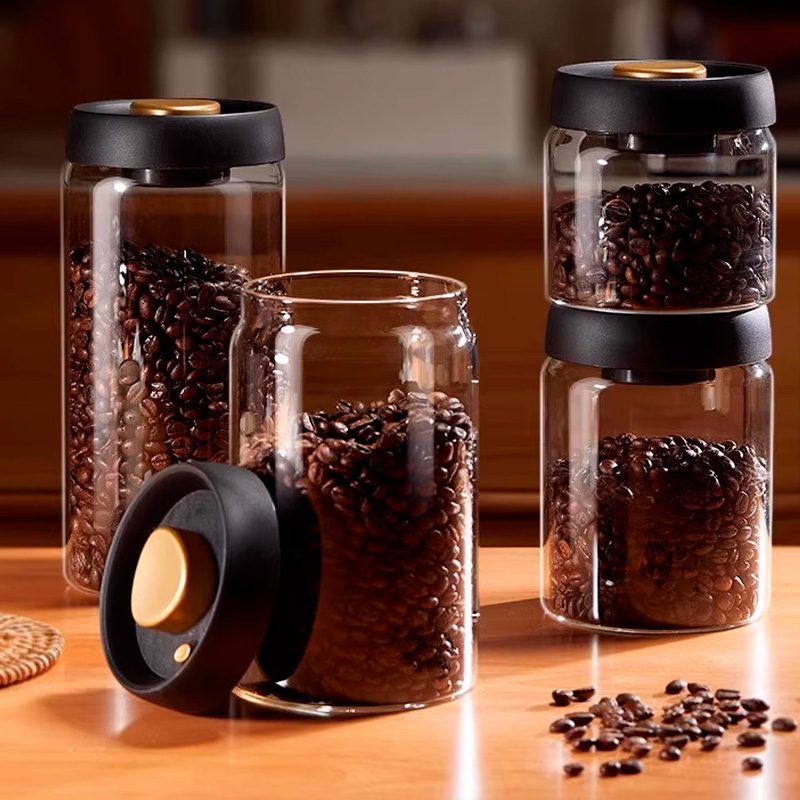
Por qué la elección del material determina los resultados de las pruebas de caída incluso antes de que comience el proceso de embalaje
Cumplir con los requisitos de la prueba de caída de Amazon FBA para productos de vidrio comienza mucho antes de que se diseñe la caja. El propio material de vidrio determina la resistencia que tiene un producto ante los golpes. El vidrio de borosilicato, con su menor coeficiente de expansión térmica y su mayor resistencia mecánica, soporta mejor las tensiones por impacto que el vidrio de cal y sosa estándar. Esto no es retórica comercial. La estructura molecular del borosilicato da lugar a un material que resiste tanto los choques térmicos como las fallas mecánicas ante una fuerza repentina.
3.3 El vidrio borosilicato ofrece ventajas específicas para las aplicaciones de comercio electrónico. Además de no contener BPA ni plomo y de contar con certificación para uso alimentario, ofrece una resistencia al impacto notablemente superior a la del vidrio común. Los productos fabricados con este material parten de una ventaja inherente en cuanto a durabilidad, lo que reduce la necesidad de recurrir a embalajes externos para compensar la fragilidad del material.
| Tipo de cristal | Resistencia a los impactos | Resistencia al choque térmico | Aplicación típica |
|---|---|---|---|
| Vidrio borosilicato | Alta | Excelente | Utensilios de cocina, material de vidrio de laboratorio y productos de comercio electrónico que requieren resistencia |
| Vaso de sosa y lima | Moderado | Bajo | Botellas normales, tarros, cristales de ventana |
| Vidrio templado | Alta (se rompe en pedazos pequeños) | Moderado | Aplicaciones de seguridad, como las ventanillas de los coches y las puertas de ducha |
| Cristal de plomo | Bajo | Bajo | Artículos de cristalería decorativos, no aptos para envíos a través de FBA |
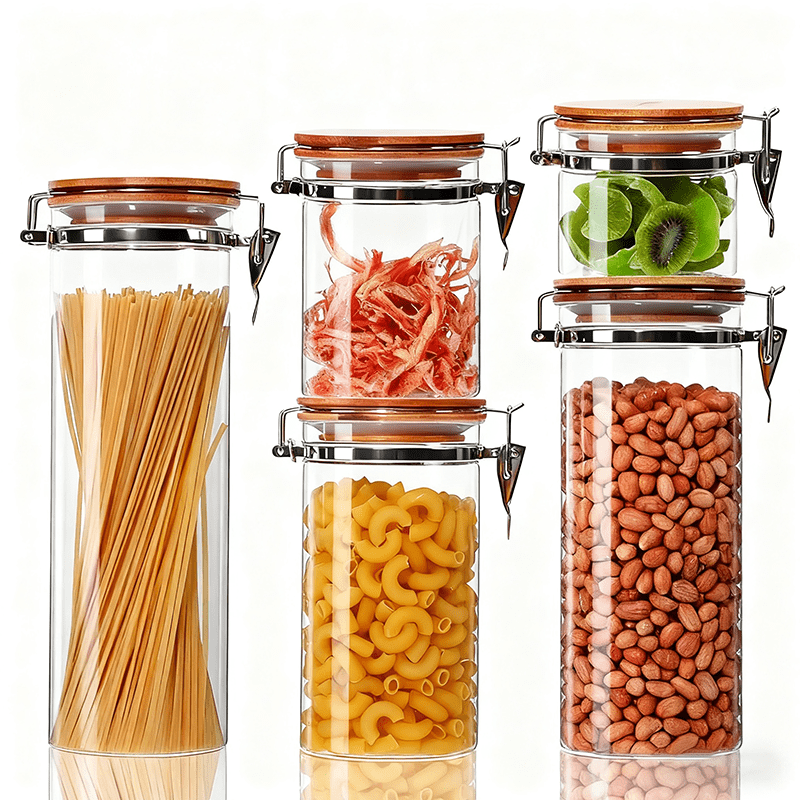
Para comprender las diferencias prácticas entre los distintos tipos de vidrio, 《cómo distinguir el vidrio sódico-cálcico del vidrio borosilicato» explica las diferencias fundamentales.
Diseño de envases que absorben el impacto en lugar de transmitirlo
Un embalaje eficaz para el vidrio crea un sistema de protección en el que cada capa cumple una función específica. El objetivo no es simplemente envolver los productos en material de amortiguación, sino diseñar una estructura que absorba y disipe la energía del impacto antes de que llegue a la superficie del vidrio.
El embalaje primario constituye la primera línea de defensa. Cada artículo de cristal necesita una protección individual, normalmente con plástico de burbujas o láminas de espuma, que crean una barrera contra el contacto directo con otros objetos. A continuación viene el acolchado interno. Los insertos a medida, la pulpa moldeada o la espuma de alta densidad fijan el producto dentro de su embalaje inmediato, eliminando los movimientos que provocan daños por impacto durante el transporte.
El relleno de huecos sirve para ocupar el espacio vacío restante. Las almohadillas de aire, las bolitas de poliestireno o el papel arrugado evitan que el contenido se desplace cuando los paquetes reciben golpes o se caen. La propia caja exterior también es muy importante. El cartón ondulado de doble o triple pared proporciona la resistencia estructural necesaria para soportar las fuerzas de compresión externas.
Este enfoque por niveles implica que productos como Tarro de vidrio borosilicato con tapa o botella de agua de cristal llegan en perfecto estado incluso después de pasar por el sistema de manipulación de Amazon. El embalaje no solo protege, sino que gestiona de forma activa las fuerzas que, de otro modo, provocarían daños.
En cuanto a los avances en la fabricación del vidrio que influyen en su durabilidad, 《innovaciones en vidrio de borosilicato impulsadas por el auge de la sostenibilidad en europa» ofrece información contextual relevante.
Cómo identificar a los proveedores que realmente comprenden los requisitos de Amazon
Para abastecerse de productos de vidrio para el servicio FBA de Amazon, es necesario encontrar fabricantes que comprendan lo que significa el cumplimiento normativo en la práctica, y no solo en teoría. Muchos proveedores afirman conocer los requisitos del comercio electrónico sin haber sometido sus embalajes a pruebas según los protocolos de la ISTA ni haber realizado un seguimiento de las tasas de daños en los envíos reales.
El proceso de selección debería poner de manifiesto pruebas concretas de la capacidad de los proveedores. Los proveedores que hayan enviado con éxito mercancías frágiles a través de la red de Amazon suelen poder aportar documentación: informes de pruebas, estadísticas sobre la tasa de daños y ejemplos de soluciones de embalaje que hayan superado una evaluación independiente.
Preguntas que revelan la capacidad de los proveedores
Para captar a posibles fabricantes de vidrio, es necesario realizar consultas específicas que vayan más allá de las afirmaciones generales sobre la calidad:
- ¿Qué porcentaje de tus envíos de Amazon FBA llegan sin reclamaciones por daños?
- ¿Podrías facilitarme la documentación de las pruebas ISTA 6-Amazon.com-SI para productos similares a los que estoy buscando?
- ¿Qué modificaciones has realizado en el embalaje a raíz de los comentarios sobre daños reales recibidos en los envíos de Amazon?
- ¿Realizan pruebas internas de caída antes del envío? ¿Con qué frecuencia?
- ¿Cuál es tu procedimiento cuando el diseño de un envase no supera las pruebas iniciales?
- ¿Podrían facilitar muestras con el embalaje propuesto para que se pueda realizar una verificación independiente?
- ¿De qué certificaciones disponen para los productos de vidrio destinados al contacto con alimentos?
Estas preguntas permiten distinguir a los proveedores que han resuelto los retos de embalaje de Amazon de aquellos que se limitan a adivinar cuáles son las soluciones.
Utilizar las certificaciones como prueba de calidad, en lugar de como herramienta de marketing
Las certificaciones como la de la FDA y el marcado CE aportan pruebas objetivas de que un fabricante cumple las normas internacionales relativas a los materiales y los procesos. En el caso de los productos de vidrio destinados a aplicaciones en contacto con alimentos, la certificación de la FDA confirma que el material no liberará sustancias nocivas. El marcado CE indica el cumplimiento de los requisitos de seguridad europeos.
Las pruebas de laboratorio independientes, realizadas específicamente para evaluar el rendimiento del embalaje, aportan un nivel adicional de verificación. Un fabricante que confíe en su embalaje facilitará la realización de pruebas ISTA por parte de terceros, en lugar de basarse únicamente en evaluaciones internas. Esta disposición a someterse a una evaluación externa suele estar relacionada con la capacidad real de cumplir con la normativa.
Para obtener orientación sobre cómo evaluar a los socios fabricantes, 《elegir una fábrica china de vidrio》 aborda el proceso de selección en detalle.
Establecer un control de calidad que detecte los problemas antes del envío
El control de calidad de los productos frágiles requiere una inspección en varias fases, no solo un control final antes de la carga. Los problemas detectados en la fase de fabricación suponen un coste mucho menor que los que se descubren en el muelle de recepción de Amazon o, peor aún, en las opiniones de los clientes.
Los protocolos de control de calidad eficaces verifican las especificaciones del producto, detectan defectos estéticos y evalúan de forma rigurosa la integridad del embalaje. En el caso de productos de vidrio como vaso de vidrio borosilicato o taza de cristal, lo que implica comprobar la uniformidad del espesor de las paredes, examinar si hay fracturas por tensión y confirmar que los materiales de embalaje cumplen con las densidades y dimensiones especificadas.
Las pruebas de caída previas al envío, realizadas sobre una muestra, constituyen la verificación final. Los paquetes seleccionados al azar se someten a las mismas secuencias de caída a las que se enfrentarán en el sistema de Amazon. Los fallos en esta fase dan lugar a un rediseño del embalaje antes de que el envío completo salga de las instalaciones.
Gestionar la logística para proteger lo que el embalaje ya ha protegido
La ingeniería de embalaje solo resuelve una parte del problema. La cadena logística conlleva riesgos adicionales que requieren una atención específica. Los métodos de carga de los contenedores, la selección de los socios de transporte y las instrucciones de manipulación en el almacén influyen en si productos como Tarro de cristal hermético lleguen intactos a los centros de FBA de Amazon.
Los socios de transporte de mercancías especializados en productos frágiles saben cómo cargar los contenedores para minimizar los movimientos y los impactos. Conocen qué métodos de envío exponen los paquetes a un mayor número de puntos de manipulación y pueden asesorar sobre las decisiones de ruta que reducen el riesgo. Una documentación adecuada garantiza que el personal encargado de la manipulación en cada punto de contacto comprenda que está trabajando con productos frágiles que requieren un trato cuidadoso.
El objetivo va más allá de simplemente sobrevivir en la red de distribución de Amazon. Implica garantizar que los productos lleguen a las puertas de los clientes en las mismas condiciones en las que salieron de fábrica, lo que contribuye a las valoraciones positivas y a las compras recurrentes que hacen que el servicio FBA de Amazon sea rentable.
Colaboración con Xuzhou Jianmei Glass Products para cumplir los requisitos de Amazon FBA
Xuzhou Jianmei Glass Products Co., Ltd. fabrica artículos de vidrio borosilicato con la durabilidad y la documentación de conformidad que necesitan los vendedores de Amazon FBA. Con 120 certificaciones de ensayo, entre las que se incluyen la de la FDA y la CE, además de capacidad de fabricación OEM para diseños personalizados, la empresa ofrece tanto productos como asesoramiento sobre embalaje para aplicaciones de comercio electrónico. Póngase en contacto con [email protected] para comentar los requisitos específicos de su proyecto.
Preguntas frecuentes
¿En qué consiste la prueba ISTA 6-Amazon.com-SI y cómo se aplica a los productos de vidrio?
La prueba ISTA 6-Amazon.com-SI es un protocolo de rendimiento desarrollado por la Asociación Internacional de Transporte Seguro (ISTA) específicamente para los productos enviados a través de la red logística de Amazon. En el caso de los productos de cristal, simula las caídas, las vibraciones y las fuerzas de compresión a las que se ven sometidos los paquetes durante su manipulación y transporte. Los productos que no superen esta prueba se enfrentan a devoluciones de cargos, órdenes de retirada y posibles restricciones en su inclusión en el catálogo. Para superarla, es necesario que el embalaje esté diseñado para absorber la energía del impacto en lugar de transferirla a la superficie del vidrio.
¿Puedo utilizar embalajes estándar para los productos de cristal en Amazon FBA?
Los embalajes estándar rara vez ofrecen una protección adecuada para los productos de cristal en el sistema de distribución de Amazon. El entorno de manipulación da por hecho que los paquetes sufrirán caídas, se apilarán y recibirán golpes en múltiples puntos de contacto. Los productos de cristal suelen requerir separadores diseñados a medida, espuma de alta densidad o cajas de cartón ondulado de varias capas, fabricadas específicamente para mercancías frágiles. El coste del embalaje especializado es casi siempre inferior al coste de las reclamaciones por daños, las reseñas negativas y las sanciones a la cuenta derivadas de una protección inadecuada.
¿Cómo puedo encontrar un fabricante de productos de vidrio que garantice el cumplimiento de las pruebas de caída de Amazon FBA?
Busca proveedores con experiencia demostrada en el envío de productos frágiles a través de la red de Amazon. Solicita informes de pruebas ISTA 6-Amazon.com-SI, estadísticas sobre la tasa de daños en envíos reales y ejemplos de soluciones de embalaje que hayan superado una evaluación independiente. Las certificaciones pertinentes, como la de la FDA y la CE, indican el cumplimiento de las normas de seguridad de los materiales. Un fabricante dispuesto a proporcionar muestras con el embalaje propuesto para someterlas a pruebas independientes demuestra confianza en su capacidad para cumplir con la normativa. Evita a los proveedores que afirman conocer los requisitos de Amazon pero no pueden aportar pruebas concretas de envíos realizados con éxito.