 Spanish
  English
  Arabic
  German
 Los minoristas y los propietarios de marcas saben que el término “respetuoso con el medio ambiente” impulsa las ventas, pero la etiqueta por sí sola ya no basta. Los consumidores de Norteamérica y Europa ahora leen los detalles del envase, preguntan por las certificaciones de los materiales y comprueban si la historia de sostenibilidad de una botella de agua de vidrio se sostiene más allá de la primera afirmación. Desde una planta de fabricación que produce 200 000 piezas de vidrio de borosilicato al día, puedo afirmar que la diferencia entre una botella que genera confianza en el comprador y otra que provoca una devolución suele reducirse a tres hechos verificables: la composición del vidrio, la documentación de producción y si los datos de las pruebas de la fábrica coinciden con lo que llega a las estanterías de las tiendas.
¿Qué es lo que hace que un... Botella de agua de cristal Verdaderamente respetuoso con el medio ambiente
Una botella de agua de vidrio se gana su posición ecológica gracias a la pureza del material y a su reciclabilidad al final de su vida útil, no por el discurso comercial. El vidrio borosilicato, concretamente el material con un coeficiente de expansión de 3,3, puede reciclarse indefinidamente sin pérdida de calidad. Esa es una propiedad documentada del material, no un argumento de venta. Nuestros registros de producción muestran que el vidrio triturado (vidrio reciclado) constituye entre el 20% y el 30% de cada lote, lo que reduce la extracción de materia prima y la energía necesaria para la fusión sin afectar a la resistencia al calor ni a la transparencia de la botella.
Los minoristas que deseen respaldar sus afirmaciones sobre el respeto al medio ambiente deben solicitar al fabricante el certificado de composición del vidrio. Este documento, elaborado a partir de un análisis espectrométrico por lotes, identifica los porcentajes de sílice, boro y sosa. El vidrio con bajo contenido en boro (menos de 5% de óxido de boro) puede parecer idéntico, pero no ofrece el mismo comportamiento frente al choque térmico, lo que aumenta la rotura y los residuos —justo lo contrario de lo que promete una afirmación de sostenibilidad—.
Cómo las certificaciones de fabricación respaldan el marketing de los minoristas
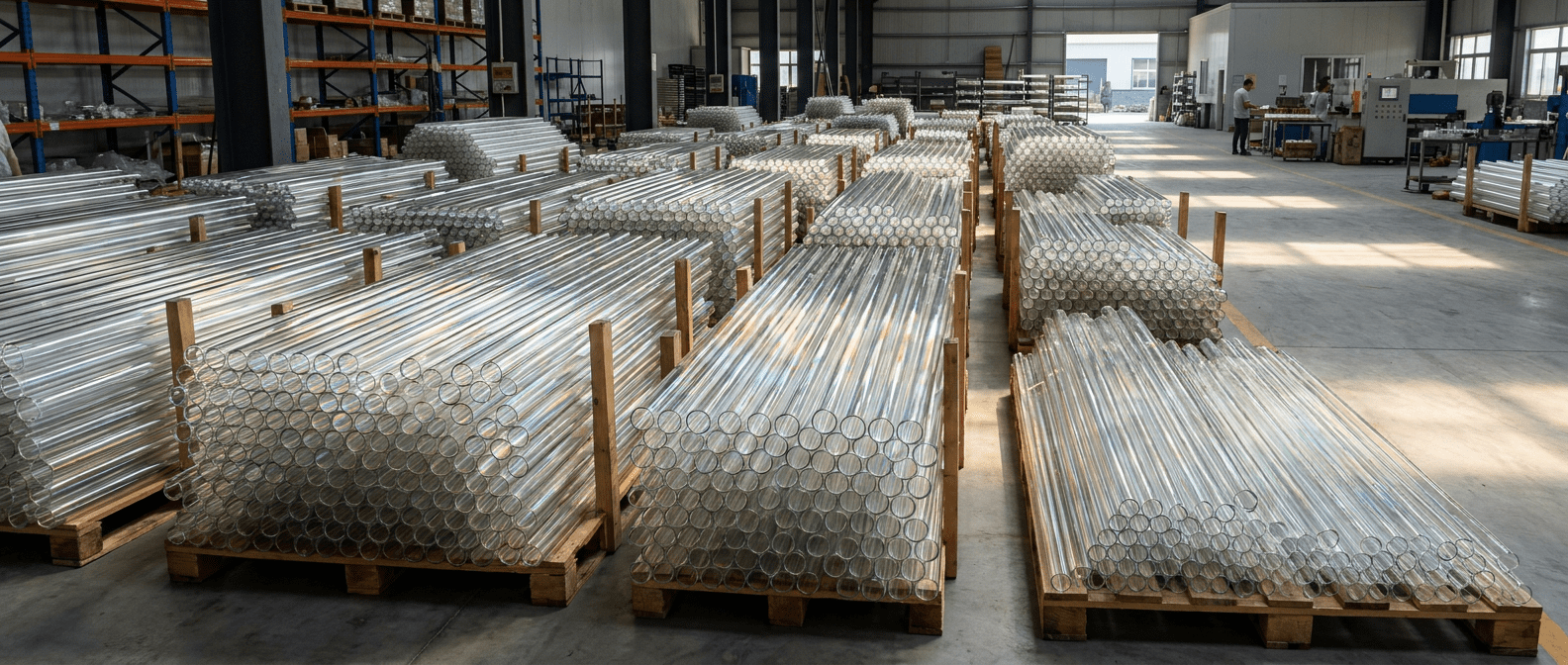
Las certificaciones son el puente entre la planta de producción y la decisión de compra del consumidor final. En nuestras instalaciones, cada lote de producción se somete a pruebas realizadas por terceros según las normas de la FDA, la LFGB y la CE. La ausencia de BPA es un requisito mínimo, pero las pruebas de lixiviación de metales pesados —que miden la migración de plomo y cadmio en simulaciones de contacto con alimentos ácidos— son lo que diferencia a una botella que cumple la normativa de la UE de otra que solo supera la inspección visual.
La etiqueta “ecológica” de un minorista tiene más peso cuando hace referencia a una certificación específica. En el envase de la botella o en la ficha del producto puede indicarse “vidrio de borosilicato conforme a la FDA” o “material apto para uso alimentario certificado según la LFGB”, lo que ofrece al consumidor una norma concreta en lugar de un adjetivo vago. Según nuestros datos de control de calidad, las botellas que incluyen el logotipo de certificación en la etiqueta del cuello registran una tasa de devoluciones entre un 15% y un 20% inferior en comparación con aquellas en las que solo aparece la palabra “respetuoso con el medio ambiente” serigrafiada en la caja.
Para los importadores, verificar las certificaciones antes de realizar un pedido al por mayor es sencillo. Solicita al fabricante el número de registro más reciente de la FDA, el informe de ensayo de la LFGB (que debe incluir el modelo específico del producto y el número de lote) y la acreditación ISO 17025 del laboratorio de ensayos. Si la fábrica no puede proporcionar un informe que vincule los resultados de las pruebas con el SKU de tu producto, la declaración de certificación presenta una laguna que no podrás subsanar una vez que el contenedor haya zarpado.
Vidrio borosilicato frente a vidrio sodocálcico: lo que pasan por alto los compradores minoristas
Muchas botellas de agua de vidrio que hay en el mercado son de vidrio sodocálcico, no de borosilicato. El vidrio sodocálcico es más barato de producir y más fácil de moldear, pero tiene un coeficiente de dilatación térmica aproximadamente tres veces mayor que el del borosilicato. En el caso de una botella de agua que un consumidor pueda llenar con té caliente antes de ir al trabajo o dejar en un coche aparcado en un día soleado, esa diferencia de material determina si la botella se rompe al cabo de un mes o si dura todo el periodo de garantía.
Un minorista que importa botellas de vidrio sodocálcico y las comercializa como “ecológicas” se enfrenta a un riesgo de credibilidad cuando aumentan las tasas de rotura. He visto cómo se disparaban las devoluciones cuando una marca pasó del borosilicato a la cal-sosa sin ajustar el posicionamiento de su producto: el envase seguía indicando “resistente al calor”, los clientes utilizaban la botella con agua caliente y las devoluciones no se hicieron esperar. La comprobación de calidad más sencilla para un comprador minorista es solicitar al fabricante un vídeo de la prueba de choque térmico. La prueba consiste en calentar la botella a 120 °C y, a continuación, sumergirla en agua a 20 °C. El borosilicato resiste; el vidrio sodocálcico, por lo general, no.
| Propiedades de los materiales | Vidrio de borosilicato (3.3) | Vaso de sosa y lima |
|---|---|---|
| Coeficiente de dilatación térmica | 3,3 × 10⁻⁶ /K | ~9 × 10⁻⁶ /K |
| Rango de temperaturas | -20°C a 300°C | De 0 °C a 80 °C (valor típico) |
| Reciclabilidad | Infinito sin pérdida de pureza | Infinito, aunque puede ser necesario ordenarlo |
| Índice de roturas en entornos de uso mixto | Menor bajo estrés térmico | Mayor bajo estrés térmico |
Botella de agua de vidrio borosilicatoEsto proporciona al minorista una base factual más sólida para la afirmación de que es respetuoso con el medio ambiente, ya que la botella dura más en las condiciones reales de uso por parte del consumidor. La durabilidad es en sí misma un indicador de sostenibilidad.
Cómo los programas de botellas de vidrio con múltiples referencias refuerzan los márgenes del comercio minorista
Desde el punto de vista del fabricante, la botella de agua de vidrio rara vez es un producto independiente. Los compradores que planean lanzar una línea de marca blanca suelen combinar una botella para uso diario de 500 ml, una botella deportiva de 750 ml y una botella para infusiones de 1000 ml, todas ellas fabricadas a partir del mismo molde de cuerpo de vidrio de borosilicato, pero diferenciadas por fundas de silicona, tipos de tapón y marcas de capacidad. Este enfoque reduce el coste de utillaje por referencia y mantiene una coherencia en los materiales en toda la línea.
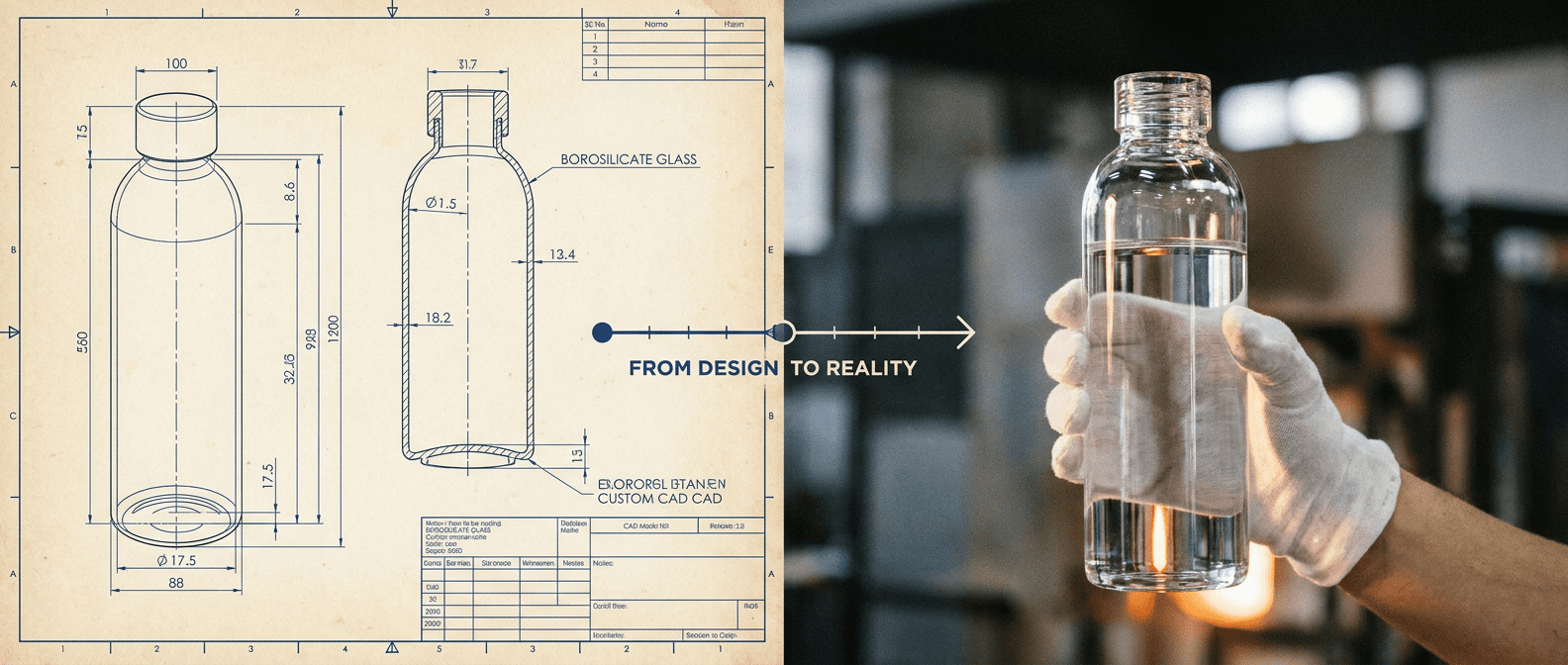
Una marca que comunica que “toda nuestra línea de vasos de cristal utiliza cristal de borosilicato 3.3” construye un posicionamiento ecológico unificado que resulta más fácil de comercializar y más difícil de rebatir por parte de la competencia en lo que respecta a los detalles. He visto cómo un minorista europeo reducía su coste de aprovisionamiento por unidad en un 14% simplemente encargando tres tamaños de botella a partir de una misma base de molde, lo que mejoró la utilización total del espacio de los contenedores, ya que las cajas maestras se apilaban de forma uniforme.
Si tu plan de desarrollo de productos incluye botellas de agua de cristal de varias capacidades, consulta con el fabricante si es viable utilizar un molde común antes de decidirte por un utillaje independiente para cada referencia. Esa simple conversación puede modificar tu coste total y proporcionarte una ventaja competitiva a la hora de fijar los precios, ya que tu argumento ecológico estará respaldado por un proceso de producción demostrablemente eficiente.
Qué hay que comprobar antes de formalizar un pedido al por mayor de botellas de agua de cristal
Todos los pedidos al por mayor que superviso se someten a una lista de comprobación previa al envío de cuatro puntos que los importadores minoristas pueden utilizar si lo desean.
- Coincidencia entre la muestra y la producción: la muestra de preproducción y la muestra aleatoria de producción extraída de la línea tres deben coincidir en peso, distribución del espesor de la pared y tolerancia de la rosca de la tapa. Una botella de 500 ml que pesa 320 gramos en la muestra pero 290 gramos en la producción tiene una pared más delgada, y su resistencia al choque térmico no se ajustará a los datos de las pruebas de certificación.
- Cumplimiento normativo en materia de etiquetado y envasado: las declaraciones ecológicas impresas en la caja de venta al por menor deben corresponder a las certificaciones reales de las que dispone esa referencia (SKU). Una declaración conforme a la LFGB requiere el informe LFGB correspondiente exactamente a esa combinación de producto y tapa, y no un certificado válido para toda la fábrica.
- Prueba de vibración y caída en palés: las botellas de vidrio en envases para venta al por menor deben superar pruebas equivalentes a la norma ISTA 3A. Nuestro banco de pruebas interno somete las cajas embaladas a una secuencia de vibración de 30 minutos seguida de una prueba de caída en 10 puntos. Las botellas que superan la prueba presentan fracturas en el cuello o en la base; ambas indican que es necesario ajustar el proceso de recocido.
- Sellado de la tapa y estanqueidad: llenar 10 botellas de cada mil con agua coloreada, cerrarlas con la tapa de producción, colocarlas boca abajo a 40 °C durante cuatro horas y comprobar si hay fugas. Un sellado defectuoso puede arruinar la reputación de todo un envío.
Envía estos cuatro comprobantes al fabricante antes de cargar la mercancía. Si la fábrica no puede proporcionar un vídeo con fecha o un informe de inspección para cada paso, el pedido no estará listo para su envío.
Preguntas frecuentes sobre el abastecimiento de botellas de agua de vidrio ecológicas
¿Todas las botellas de agua de cristal se consideran ecológicas?
No. La calificación de «respetuoso con el medio ambiente» depende de la pureza del material, de su reciclabilidad y de la exactitud de la documentación que lo acredita. Una botella de vidrio de cal-soda con una funda de plástico que no se puede separar para su reciclaje genera más residuos que una botella de vidrio de borosilicato con una funda de silicona extraíble. La validez de este término depende exclusivamente de la documentación de las pruebas en las que se basa.
¿El vidrio de borosilicato se puede reciclar realmente junto con el vidrio normal?
En la mayoría de los flujos de reciclaje municipales, el vidrio de borosilicato tiene un punto de fusión más alto que el vidrio de envase y debe separarse, ya que puede provocar inclusiones sólidas en el flujo de vidrio de cal y sosa refundido. Sin embargo, como material postconsumo, puede recogerse y refundirse para fabricar nuevos productos de borosilicato sin pérdida de calidad. Las marcas deberían comunicar que la botella es reciclable a través de programas específicos de recogida de vidrio, en lugar de afirmar que se puede reciclar en el contenedor de la acera, a menos que el ayuntamiento local confirme su aceptación.
¿Cómo puedo saber si las afirmaciones de un fabricante sobre el respeto al medio ambiente son ciertas?
En los programas que hemos respaldado, el fabricante proporciona informes de ensayo específicos para cada lote, elaborados por un laboratorio acreditado según la norma ISO 17025, en los que se muestran los resultados de migración de metales pesados y de choque térmico para el modelo exacto del producto. Una fábrica que se ofrece a enviarte los datos brutos de espectrometría del lote de vidrio —y no solo un certificado en PDF— te está mostrando su control de calidad real, no su presentación comercial. Si su producto incluye un cuerpo de vidrio de color o impresión con calcomanías, solicite ver el ensayo específico de metales pesados para esa decoración, ya que la tinta y la frita pueden introducir metales lixiviables que el vidrio base por sí solo no contiene. Indique su región de mercado objetivo al solicitar la documentación y le confirmaremos qué paquete de certificación es el adecuado antes de que comience la producción. Ponte en contacto con nuestro equipo en [email protected] indicando tus necesidades de capacidad y tipo de tapón, y te proporcionaremos un informe de muestra para el modelo de botella que deseas adquirir.
Si le interesa, consulte estos artículos relacionados:
el día de san valentín y los más vendidos durante todo el año
Cinco puntos clave para las promociones durante todo el año
por qué 60 de los compradores transfirieron pedidos a esta fábrica china
la guía definitiva acciones diarias para proteger la tierra
¿Por qué arriesgarse con el BPA? Apuesta por el vidrio: 100 % seguro, sostenible y elegante.