
 Spanish
  English
  Arabic
  German
 As retailers seek the next Instagram-driven impulse buy, floral dried flower taza de cristals have emerged as a product that blends aesthetic appeal with durable functionality. These mugs, featuring real dried flowers permanently sealed within clear glass, command premium shelf space in gift shops, home decor boutiques, and lifestyle stores. Yet the difference between a product that wows customers and one that disappoints lies entirely in the manufacturing details. Borosilicate glass provides the clarity, thermal stability, and food safety that turn a decorative piece into a practical everyday item. Drawing on more than ten years of managing high borosilicate glass production, I will outline the sourcing, material, and customization factors that determine whether these mugs become a steady seller or a returns headache.
Why Floral Dried Flower Glass Mugs Are Taking Over Retail Shelves
The visual appeal of a real dried flower suspended in glass gives these mugs an organic, crafted look that resonates with the same consumer base drawn to natural materials and slow decor trends. Social media platforms amplify their aesthetic: a single well-lit photo of a chamomile or lavender mug can generate thousands of shares, making it a low-cost marketing asset for store owners. Beyond the image, the tactile weight and clarity of borosilicate glass elevate the perceived value compared to standard soda-lime glass or acrylic alternatives. For retailers, this translates into a higher average unit margin and a product that sits comfortably in the $12–$25 range depending on size and customization. The key is ensuring the mug delivers the same premium experience in hand that it does on a screen.
Borosilicate Glass Delivers the Material Foundation That Customers Expect
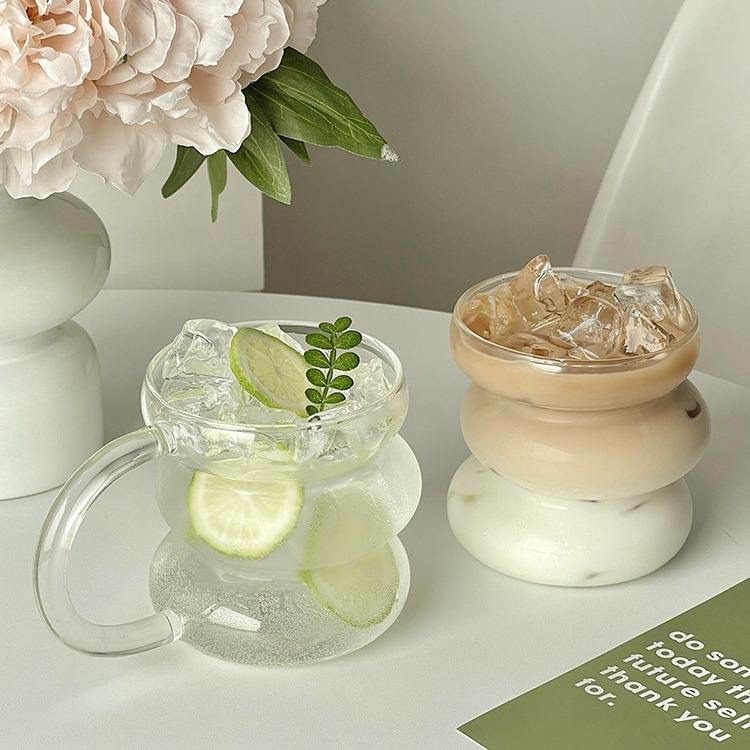
Borosilicate glass is not the same as the cheap amber or green glass used for storage jars. Its low thermal expansion coefficient—roughly one-third that of soda-lime glass—allows it to withstand sudden temperature changes without cracking. A mug that can go from boiling water for tea to a cold refrigerator without risk builds trust in a retail environment where consumers test products in real kitchens. Equally important is optical clarity: impurities in soda-lime glass create a faint greenish tint, whereas high borosilicate glass remains water-clear. With an embedded dried flower, that clarity is non-negotiable. The flower must look suspended in invisible crystal, not submerged in a murky vessel. Our factory routinely supplies borosilicate drinkware with an iron oxide content below 0.02%, which is what keeps the glass colorless even in thicker mug walls. For retailers stocking floral mugs, specifying 3.3 borosilicate glass is the first step toward consistent quality.
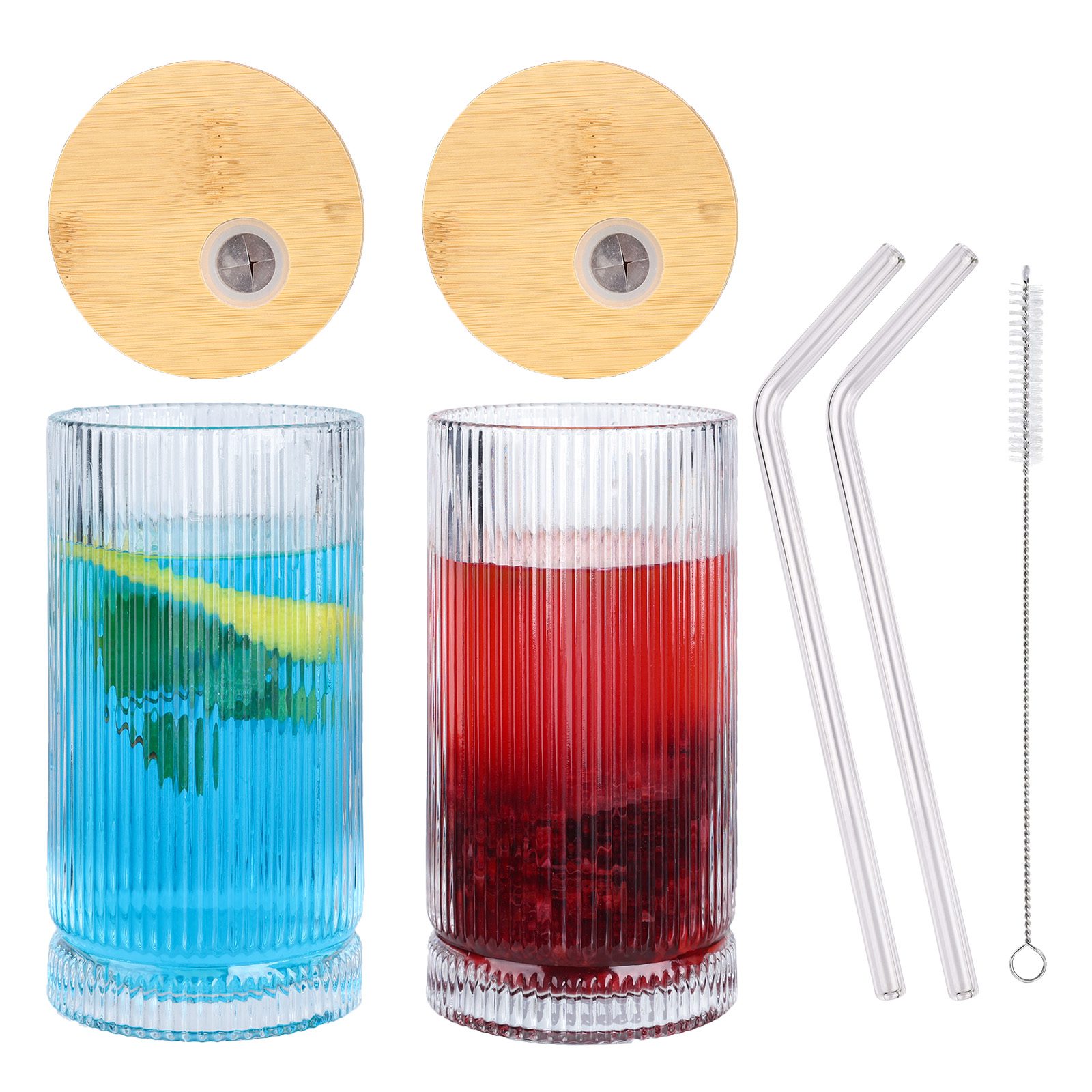
If your retail program targets a mass-market price tier and you are comparing a soda-lime base with a borosilicate upper option, it is worth getting a product sheet with thermal shock test data from your supplier. Reach out at [email protected] to request current testing certificates for different glass grades.
Embedding Dried Flowers Involves Manufacturing Precision That Not Every Factory Offers
Placing an organic flower inside a glass mug body and sealing it without ruining the bloom or creating internal stress in the glass is the technical crux of this product. The process requires positioning the flower in the mold cavity before the molten glass takes shape, followed by a carefully controlled annealing cycle. If the annealing temperature is too high, the flower carbonizes; too low, and residual stress in the glass can cause delayed fracturing weeks after import. In our production lines, we typically anneal floral-embedded mugs at a slightly lower peak temperature and extend the holding time to allow the organic material to stabilize without burning. We also apply an extra protective gas barrier during molding to prevent oxidation. A manufacturer that does not walk you through these steps is likely treating the flower as a simple label decal, which leads to the two most common failures: fogging inside the glass cavity and flower discoloration within a month of use.
| Capacidad | Typical Dimensions | Best Retail Application |
|---|---|---|
| 300 ml | 5.8×16.4cm | Compact gift mug for dried teas and small lattes |
| 420 ml | 6.6×18.9cm | Standard retail size for coffee and tea |
| 500 ml | 6.6×20.7cm | Popular all-purpose mug with room for branding |
| 550 ml | 6.6×22.2cm | Upsized option for generous beverage servings |
| 750 ml | 7.0×25.9cm | Large trendy tumbler-style mug for cold brew |
Based on vaso de vidrio borosilicato bodies with wood lid variants commonly customized for floral embedding.
Customization Options Let You Build a Differentiated SKU Range from a Single Mold
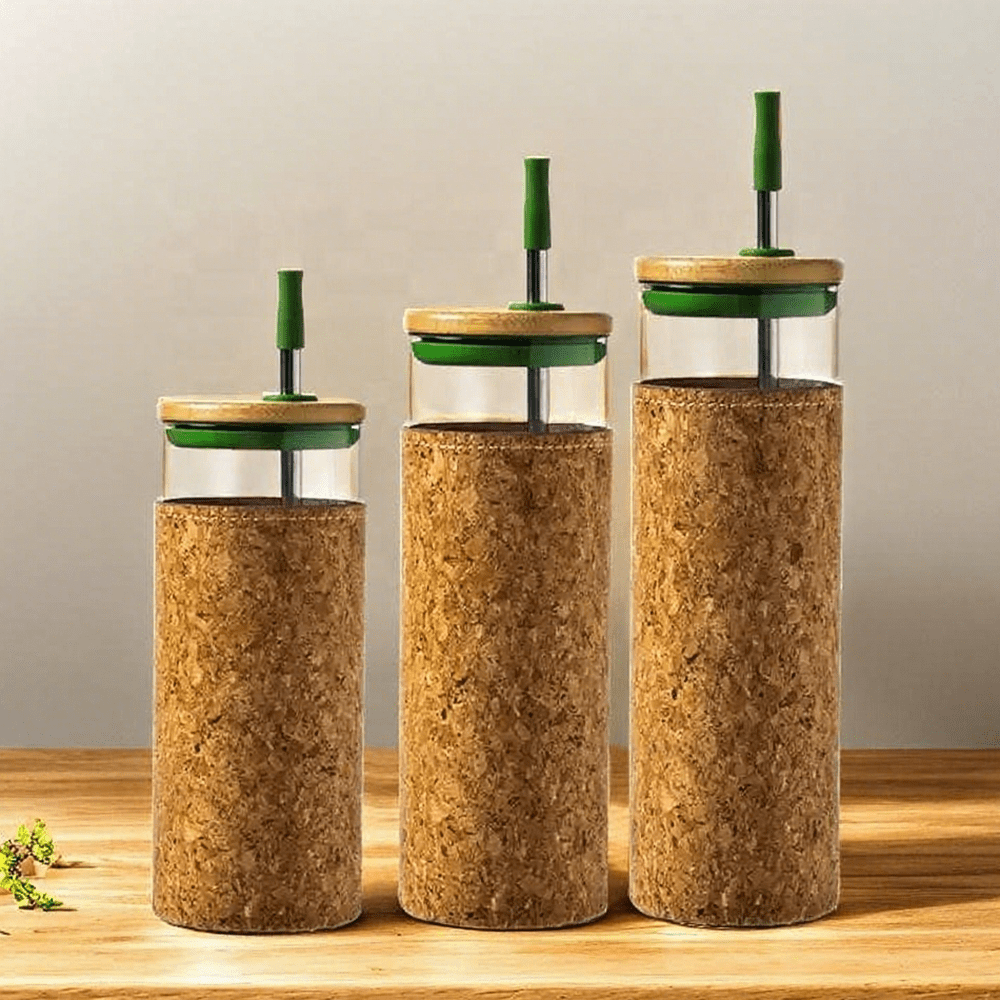
Brand differentiation with floral mugs rarely comes from the flower alone. It comes from combining lid design, logo placement, capacity, and packaging into a cohesive brand statement. A 420ml mug with a natural bamboo lid and laser-engraved logo at the base creates a different customer perception than a 750ml tumbler with a stainless steel lid and silk-screened brand mark. Both can use the same mold if the flower cavity is designed as a replaceable insert. We often advise clients to design one core mug body and then vary the lid material, logo technique, and packaging insert to create three distinct product tiers—entry-level, premium, and gift set—without the tooling cost of three separate molds. This approach keeps inventory manageable while giving retail buyers the variety they need for shelf displays or online category pages.
Sourcing Floral Dried Flower Mugs From a Manufacturer That Understands the Entire Process
The supply chain for a niche product like floral mugs rewards buyers who evaluate a factory’s internal process control rather than simply comparing unit prices. A supplier that pours the same glass formula for water bottles and mugs is not automatically equipped to handle organic-in-glass projects. Confirm whether the factory has a dedicated molding station for embedded designs, what gas protection it uses during forming, and whether its annealing lehr supports lower-temperature extended cycles. In our plant, we run floral mug batches through a separate production line to isolate any process variations, and every piece goes through a manual clarity inspection after cooling. We also batch-test for thermal shock and lead/heavy metal leaching against FDA and LFGB standards. For a retailer importing into the US or EU, those testing reports can preempt customs delays.
Product consistency over repeat orders matters even more with floral mugs because the flower material itself can vary by harvest season. A factory that does not adjust its annealing parameters per batch will produce inconsistent results. If you are planning a seasonal relaunch or a holiday gift collection, reach out with your flower type and target capacity to [email protected]. Our team can confirm lead times and share production line availability for your launch window.
Common Questions About Sourcing Floral Dried Flower Glass Mugs
Are these mugs safe for hot beverages and daily washing?
Yes, when made from borosilicate glass, the mug handles both boiling water and dishwasher cycles without thermal shock. The flower is sealed between two glass layers, so it does not come into contact with food or liquid. Still, we recommend labeling the product as hand-wash preferred to protect the outer finish and maintain optical clarity over hundreds of washes.
How customizable is the flower selection and arrangement?
Most factories can work with lavender, chamomile, baby’s breath, rose petals, and similar botanicals as long as the dried material is thoroughly dehydrated before embedding. The flower must be small enough to fit the mold cavity without contacting the forming surface. If you have a specific flower in mind, sending a supplier a pre-dried sample allows the production engineer to test for compatibility before mold design begins.
What is a realistic minimum order quantity for private label?
For a fully custom mold with a specific flower cavity shape, mold investment typically starts around or above $1,000, and MOQ often sits around 1,000 to 3,000 pieces depending on capacity and complexity. If you use an existing mold with only logo customization, MOQ can drop to 300–500 pieces. Always ask a factory to quote tooling cost separately from unit price so you can weigh long-term amortization.
How long does a sample and full production run take?
Once a mold design is approved, sample production usually takes 15–25 days. After sample confirmation, a production run of 10,000 pieces can typically ship within 30–45 days. Lead time extends if the factory is entering peak production periods. We recommend locking in orders at least three months before your shelf date to allow for pre-production sample rounds and any flower-material adjustments. Share your order quantity and launch timeline with us, and we will map out a realistic production and shipping schedule to your destination market.
Si le interesa, consulte estos artículos relacionados:
¿Cuáles son las ventajas de utilizar vasos de vidrio con aislamiento térmico?
cambiar las estrategias de las marcas mundiales en materia de botellas de vidrio
botellas de agua deportivas de alta gama de cristal con fundas protectoras