 Spanish
  English
  Arabic
  German
 Tras haber dirigido líneas de producción de vidrio borosilicato con una producción diaria de 200 000 unidades, he visto cómo los compradores perdían meses y miles de dólares en proyectos de botellas de agua de marca propia porque pasaban por alto detalles técnicos que las guías nunca mencionan. Crear una marca propia botella de agua de cristal Esta línea no consiste simplemente en elegir una forma de un catálogo. Se trata de especificar la formulación adecuada de borosilicato, conocer de antemano los costes de los moldes y verificar las pruebas en la fase de producción antes de que el envío salga de la fábrica. Los cinco pasos que se indican a continuación detallan exactamente lo que exijo cuando mi equipo prepara una nueva línea de marca blanca para su producción.
Cómo definir las especificaciones de tu gama de botellas de agua de cristal de marca propia
Toda línea de botellas de vidrio de marca propia que tenga éxito comienza con un documento de especificaciones que la mayoría de los compradores primerizos no preparan. No se puede entregar una foto a una fábrica y esperar un resultado listo para la producción. Una ficha técnica mínima debe incluir la capacidad, la altura y el diámetro de la botella, el tipo de boca, el mecanismo del tapón y el uso previsto, ya que estos factores determinan directamente los parámetros del molde y los perfiles de recocido. Nuestra botella de agua de cristal de 500 ml para venta al por mayor, por ejemplo, es un punto de partida muy popular para marcas de fitness y de oficina, pero ese mismo molde no puede producir una botella con tapón deportivo a prueba de fugas sin un rediseño. Decide desde el principio si tu línea se dirige a consumidores preocupados por la salud que buscan botellas con infusor de frutas, a usuarios de gimnasios que necesitan protección con fundas de silicona o a clientes minoristas de gama alta que prefieren formas minimalistas.
Las capacidades de botella más habituales que fabricamos para los programas de marca blanca oscilan entre los 400 ml y los 1.000 ml, y cada una de ellas se adapta a un segmento de mercado concreto.
| Capacidad | Uso habitual | Perfil del consumidor |
|---|---|---|
| 400 ml | Térmicos para el almuerzo de los niños, kits de viaje | Colegios, marcas familiares |
| 500 ml | Hidratación diaria en la oficina, nivel básico en el gimnasio | Regalos de empresa, cadenas de gimnasios |
| 750 ml – 1 000 ml | Deportes al aire libre, yoga, cajas de suscripción de bienestar | Gimnasios de lujo, marcas DTC |
Fija el precio de venta al público objetivo y el canal de distribución antes de que la fábrica se comprometa a fabricar el molde de acero. Una botella destinada al servicio FBA de Amazon requiere un embalaje que resista una prueba de caída desde 1,5 metros, lo que supone un coste adicional de embalaje estructural que quizá no sea necesario para un producto destinado a las estanterías de una tienda especializada. Identificar estas limitaciones ahora evita costosos rediseños tras la primera tirada de muestras.
Selección del material de vidrio y diseño del molde para tus botellas
La elección del material es la única decisión que determina si su línea de productos genera clientes habituales o devoluciones. El vidrio de borosilicato 3.3 resiste el choque térmico, desde el agua hirviendo hasta el hielo, sin agrietarse, mientras que las formulaciones con bajo contenido en borosilicato cuestan entre un 15 y un 20% menos, pero no resisten los cambios rápidos de temperatura. Todas las botellas que enviamos cuentan con la certificación de que están libres de BPA y de plomo, pero los importadores deben solicitar igualmente informes de laboratorio para cada lote, ya que algunos mercados exigen documentación conforme a la LFGB o a la Proposición 65 de California que va más allá de una simple declaración de fábrica.
El desarrollo de moldes es donde se desvía la mayor parte del presupuesto de las marcas blancas. Un nuevo molde a medida para una forma de botella exclusiva cuesta entre $800 y 1500 por una sola cavidad y requiere entre cuatro y seis semanas de fabricación del molde tras la aprobación del diseño. El coste oculto es el de las muestras. He visto cómo algunas marcas aprobaban una muestra procedente de un molde provisional que presentaba paredes lisas, solo para descubrir después que los moldes de producción, con velocidades de enfriamiento diferentes, generaban microfisuras en el cuello. Insiste en que se realicen muestras con los moldes de producción, no con prototipos, y presupuesta al menos dos rondas de muestreo antes de autorizar la producción en serie. Si su diseño incluye una funda de silicona a medida o una tapa de madera, confirme que el compuesto de silicona del proveedor de la tapa cumple los límites de migración de calidad alimentaria exigidos, especificados en el Reglamento (CE) n.º 1935/2004.
Si tu línea de producción de botellas está destinada a comercios minoristas de bebidas calientes, comprueba minuciosamente la curva de temperatura del horno de recocido. El recocido con la velocidad de enfriamiento adecuada elimina la tensión interna, y una fábrica que anteponga la velocidad al tiempo de enfriamiento enviará botellas que se rompen en mil pedazos cuando el cliente vierta agua hirviendo en una botella fría. Esto es innegociable en el caso del vidrio de borosilicato.
Gestión de la calidad de la producción y las certificaciones
El éxito o el fracaso de una línea de botellas de agua de cristal de marca blanca depende de la estación de control de calidad. Nuestras instalaciones cuentan con 120 certificaciones de ensayo, entre ellas las de la FDA, la LFGB, la CE y la SGS, pero un certificado colgado en la pared no exime de realizar inspecciones en línea y previas al envío. Las tres comprobaciones que exijo antes de cualquier envío de marca blanca son: la inspección del primer artículo en las primeras 50 unidades que salen de la línea de producción; un muestreo aleatorio del 30% del volumen de producción para detectar defectos visuales y comprobar la precisión de la capacidad; y un muestreo final con un AQL de 2,5 para pruebas funcionales, que incluyen la integridad del sellado de la tapa y la resistencia al choque térmico.
Recuerdo un proyecto en el que el proveedor de las juntas de las tapas cambió el compuesto de silicona sin avisarnos, y el nuevo material desprendía un ligero olor en la botella tras 24 horas de contacto con el agua. El lote superó la inspección visual, pero no superó las pruebas organolépticas, que suelen omitirse en la mayoría de las listas de comprobación estándar. Si su mercado es la UE, exija pruebas de migración para todo el conjunto; el cuerpo de vidrio puede ser inerte, pero la junta, el manguito y el recubrimiento pueden introducir sustancias que incumplan los límites de la Directiva 10/2011/UE. Pide a la fábrica que facilite informes de ensayo del artículo completo, no solo de la materia prima de vidrio, y comprueba que el laboratorio de ensayos cuente con la acreditación ISO 17025.
La documentación es tan importante como el vidrio. Para una línea de marca propia que se venda en Amazon, necesitarás la documentación del Certificado de Productos Infantiles si la botella pudiera comercializarse para usuarios menores de 12 años, y todas las certificaciones específicas de cada país deben estar registradas antes de que el envase llegue a destino. Recomiendo recopilar todos los certificados durante la producción, y no después, ya que la falta de un informe LFGB puede retrasar el despacho de aduana en Alemania durante semanas.

Creación de envases personalizados con tu marca para tu línea de botellas de agua de cristal
El embalaje es el último paso que la mayoría de las marcas se apresuran a realizar, pero es lo primero que abre el cliente. En el caso de las botellas de cristal, el embalaje debe cumplir dos funciones contradictorias: ofrecer un aspecto de alta gama en el lineal y proteger el frágil cristal durante el transporte internacional. Una caja impresa a medida con insertos de espuma o pulpa moldeada añade entre $0,50 y $1,20 por unidad, y si se prescinde del inserto, la tasa de roturas se dispara hasta el 3–8% durante el transporte. Para los vendedores de Amazon, el embalaje debe cumplir las normas de pruebas de caída ISTA 3A, que simulan el funcionamiento de los equipos de manipulación automatizada en los centros logísticos. Realizamos pruebas previas del embalaje sometiendo lotes de 10 cajas a una mesa de vibraciones y a una secuencia de caídas desde 1,2 metros antes de aprobar el diseño.
La aplicación del logotipo directamente sobre la botella distingue a tu marca. La serigrafía es adecuada para logotipos sencillos de un solo color, pero se raya con el paso del tiempo debido a los ciclos del lavavajillas. El grabado láser produce una marca permanente que resiste el lavado industrial, lo que la convierte en la opción adecuada para las líneas de suministro de gimnasios y cafeterías. Las calcomanías a todo color ofrecen imágenes con calidad fotográfica, pero aumentan el coste por unidad y requieren un paso de curado adicional que alarga el plazo de producción entre tres y cinco días. Confirma la resistencia al lavado en lavavajillas con una prueba de 50 ciclos si tu mercado es la UE, donde los clientes suelen lavar las botellas en el lavavajillas.
Si tu programa requiere un set de regalo con varias referencias (SKU), con botellas de distintos tamaños y cajas a juego, conviene que te asegures de que el proveedor de embalajes pueda suministrar componentes con colores a juego antes de comprometerte a comprar 10.000 unidades. Envíanos tu propuesta de embalaje y nuestro equipo te sugerirá soluciones rentables que superen las pruebas de la ISTA.
Lanzamiento y expansión de tu línea de botellas de agua de cristal de marca propia
El lanzamiento exitoso de una marca propia no empieza con un pedido de un contenedor completo. Nuestra fábrica admite cantidades mínimas de pedido de tan solo una unidad para muestras, pero recomiendo una tirada inicial de entre 500 y 1.000 unidades para comprobar la respuesta del mercado y la gestión logística antes de comprometerse con cargas de contenedores de 40 pies. Esta primera tirada genera conocimientos prácticos dentro de tu equipo: cuánto tiempo tarda realmente el despacho de aduanas para el vidrio, si el servicio de mensajería que has elegido daña el 2% de los envíos y si el color de la funda de silicona se ve igual bajo la iluminación de la tienda que bajo la luz de la caja de control de calidad de la fábrica.
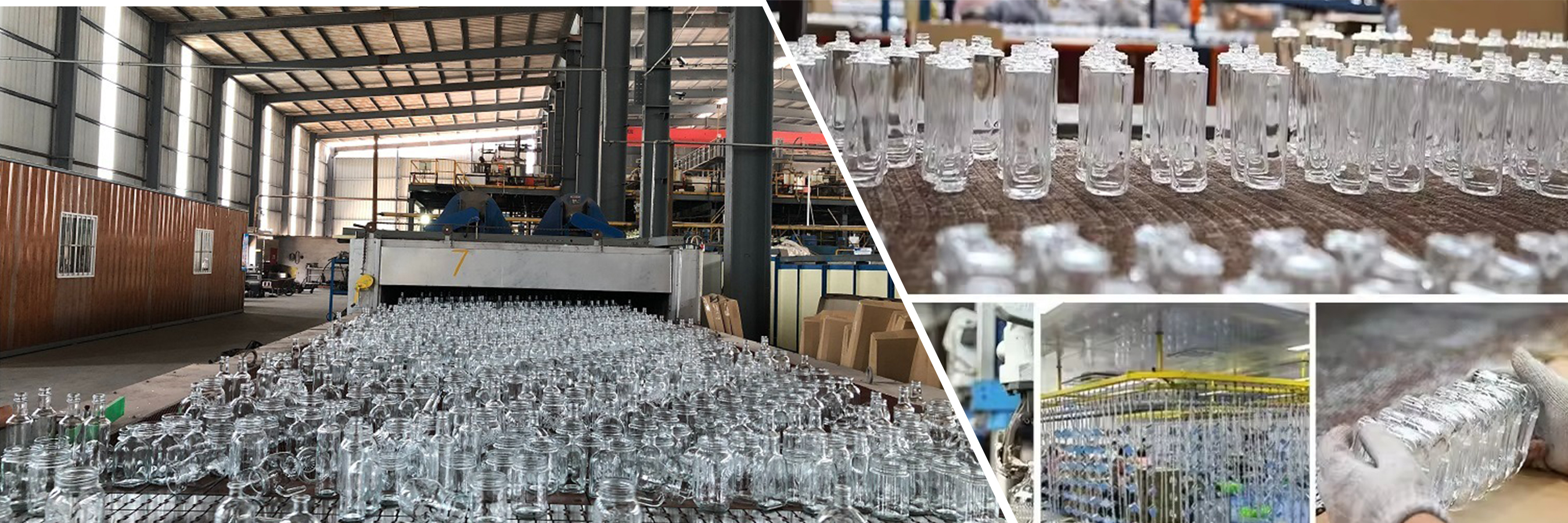
Una vez que se haya agotado el primer lote y las opiniones de los clientes confirmen que las especificaciones son correctas, podrás ampliar la producción rápidamente. Nuestras instalaciones producen 200 000 piezas de vidrio de borosilicato al día a través de líneas automatizadas de moldeado y recocido, por lo que los plazos de entrega para los nuevos pedidos se reducen de 60 días a entre 25 y 30 días una vez que el molde está registrado y los tubos de vidrio en bruto figuran en el inventario. Planifica los pedidos estacionales: la temporada alta de venta al por menor de vasos y tazas comienza a crecer en agosto con los lotes de regalo para las fiestas, y los lanzamientos de productos de fitness de primavera requieren que el producto esté en los almacenes en febrero. Hemos ayudado a marcas con el lanzamiento de lotes de regalo para el Ramadán que requerían un embalaje personalizado en verde y dorado entregado en marzo, y la única forma de que eso funcione es reservar la capacidad de los moldes en noviembre.
El mayor error de escalabilidad que observo es añadir complejidad a las referencias (SKU) demasiado pronto. Empieza con una forma de botella básica en dos capacidades, comprueba la rentabilidad unitaria y, a continuación, amplía la gama con vasos, tazas y tarros a juego de la misma familia de vidrio de borosilicato. De este modo, se mantiene baja la inversión en moldes al tiempo que se crea una presencia reconocible en los estantes en la que los clientes confían en todos los productos.
Solicitar un presupuesto para tu proyecto de botellas de vidrio de marca propia
Pasar del concepto a la producción comercial requiere contar con una fábrica colaboradora que plantee las preguntas adecuadas sobre el uso final de tu botella antes de ofrecer un presupuesto. En Xuzhou Jianmei Glass Products, nuestro equipo de ingeniería analiza sus especificaciones, la capacidad prevista, el tipo de tapón y los requisitos de envasado para elaborar un calendario de producción que tenga en cuenta el desarrollo del molde, la toma de muestras y las pruebas de certificación realizadas por terceros. Indíquenos el país de destino de su marca para que podamos preparar la documentación de conformidad adecuada desde el primer momento.
Envía las especificaciones de tu botella y la cantidad de pedido prevista a [email protected]. Le enviaremos un plan de producción detallado con el desglose de los costes de los moldes, el precio por unidad y un calendario de muestras, normalmente en un plazo de dos días laborables. Si prefiere que le llamemos, solicite un recorrido en vídeo por la planta de producción y programaremos una sesión en la que le mostraremos exactamente cómo se fabricarán, se recocen y se inspeccionan sus botellas.
Preguntas frecuentes de los compradores de botellas de vidrio de marca propia
¿Cuánto cuesta un molde a medida para una botella de agua de cristal?
Para una botella redonda de forma estándar, un molde de producción de una sola cavidad cuesta entre $800 y $1500. Las geometrías complejas con secciones transversales no circulares o asas integradas elevan el coste hasta $2000–2800. Se trata de una inversión única; el molde pertenece a su marca y puede almacenarse en la fábrica para futuros pedidos sin que se apliquen gastos recurrentes de utillaje. La primera ronda de muestras está incluida en el coste del molde; las rondas de muestras adicionales oscilan entre $50 y $100 por revisión, dependiendo de la complejidad.
¿Seré propietario del molde si dejo de hacer pedidos?
Sí. Cada molde que fabricamos para un cliente de marca blanca se rige por un contrato de custodia de utillaje en el que se designa a su empresa como propietaria. Puede solicitar que se le envíe físicamente el molde, aunque el almacenamiento en nuestras instalaciones es gratuito y garantiza que permanezca listo para la producción. Siempre recomiendo dejar el molde en la fábrica, ya que el transporte de utillaje de acero conlleva el riesgo de que sufra daños que requieran un nuevo pulido antes de volver a utilizarlo.
¿Eres capaz de imitar exactamente la botella de un competidor?
Depende de si el diseño original cuenta con una patente vigente o está protegido como diseño registrado. Podemos fabricar botellas que se ajusten a unas especificaciones funcionales, como la capacidad, el diámetro y el tipo de tapón, pero no realizamos copias directas de formas patentadas. Nuestro equipo de ingeniería de diseño crea moldes originales que ofrecen un rendimiento equivalente y una identidad de marca distintiva. Si su objetivo es conseguir una silueta concreta, envíenos imágenes de referencia y determinaremos qué elementos son limitaciones funcionales y cuáles son decisiones estéticas que podemos adaptar.
¿Qué comprobaciones realizáis antes del envío?
Cada lote de producción se somete a pruebas in situ para comprobar la resistencia al choque térmico, la precisión de la capacidad, la integridad del sellado de la tapa y la ausencia de defectos visuales, mediante un muestreo con un AQL de 2,5. Además, si se solicita, proporcionamos informes de laboratorios independientes como SGS o laboratorios equivalentes certificados según la norma ISO 17025, relativos al cumplimiento de las normas de la FDA y la LFGB, así como a la migración de metales pesados. Si su mercado exige ensayos adicionales específicos para cada país, como la norma GB 4806 para China o la Prop 65 de California, indíquelo al enviarnos la ficha técnica de su producto y nos encargaremos de organizar los ensayos antes de que finalice la producción en serie. Indíquenos su mercado de destino y los requisitos de certificación en [email protected], y le confirmaremos exactamente qué informes de ensayo están incluidos y cuáles conllevan un pequeño coste adicional por lote.
Si le interesa, consulte estos artículos relacionados:
vidrio borosilicato vsvidrio ordinariovidrio sodocálcico
por qué 60 de los compradores transfirieron pedidos a esta fábrica china
los mejores materiales para las copas vidrio cerámica o acero inoxidable
La historia del origen de los vasos de cristal