
 Spanish
  English
  Arabic
  German
 El éxito o el fracaso de una marca de miel o mermelada de marca blanca depende totalmente de su envase. Personalizado tarro de cristalLos envases para miel, mermelada y cremas para untar no solo sirven para contener el producto, sino que deben soportar el llenado en caliente, mantener un cierre hermético tras repetidas aperturas y presentar el contenido de forma clara en el lineal. Tras haber supervisado la producción de millones de envases de vidrio borosilicato para marcas de alimentación en América del Norte, América del Sur, Europa y Oceanía, puedo afirmar que la diferencia entre un tarro que consolida una marca y otro que genera devoluciones se reduce a tres decisiones que se toman antes de cortar el primer molde: el material de vidrio, el diseño del cuello y del cierre, y el nivel de certificación del proveedor. Esta guía repasa cada una de esas opciones desde la perspectiva del fabricante, para que puedas adquirir tarros de vidrio de marca blanca con la misma confianza que pones en tus recetas.
Por qué el vidrio borosilicato es más adecuado que el vidrio sodocálcico para alimentos pegajosos
La mayoría de los tarros para alimentos destinados al mercado masivo están fabricados con vidrio sodocálcico. Es barato, pero su resistencia al choque térmico es escasa: una diferencia de temperatura de entre 40 °C y 60 °C puede provocar su rotura. Los productores de miel y mermelada suelen llenar los tarros en caliente, ya sea para reducir la viscosidad y facilitar un dosificado preciso o para pasteurizar el producto. Si el vidrio no soporta el gradiente térmico que se produce al verter un producto a 85 °C en un tarro a 20 °C en una línea de llenado, la rotura se convierte en un gasto recurrente. El vidrio borosilicato, con su bajo coeficiente de expansión térmica (alrededor de 3,3 × 10⁻⁶ /K), tolera cambios bruscos de temperatura de 100 °C o más sin agrietarse. Esa propiedad por sí sola elimina uno de los fallos de envasado más comunes en productos viscosos que se envasan en caliente.
La inercia química es la segunda razón. La miel es ácida (pH 3,4–6,1) y las mermeladas de fruta tienen un pH comprendido entre 3,0 y 3,5. A lo largo de meses en la estantería, los contenidos ácidos pueden lixiviar iones alcalinos del vidrio sodocálcico, alterando lentamente el aspecto de la pared interior y, en el peor de los casos, afectando al sabor. El vidrio borosilicato contiene una cantidad mínima de metales alcalinos. No reacciona con los ácidos de los alimentos y no libera niveles detectables de plomo ni cadmio, un hecho que cobra importancia cuando tu producto se somete a pruebas para cumplir los límites de contacto con alimentos establecidos por la FDA o la LFGB. En nuestra fábrica, se toma una muestra de cada lote de fundido de borosilicato para analizar la migración de metales pesados antes del moldeado, y aún no he visto ningún lote que se acerque al umbral establecido.
Una tercera ventaja es la transparencia. El borosilicato permite una mayor transmisión de la luz que la mayoría de las formulaciones de cal-sosa, lo que significa que el tono ámbar de la miel o el rojo rubí de una mermelada de frambuesa se aprecian sin alteraciones de color. Los compradores minoristas se dejan influir por el aspecto antes incluso de leer la etiqueta. Un tarro que hace que el producto parezca más llamativo es un tarro que se vende más rápido.
Características técnicas clave que hay que tener en cuenta en los tarros para miel, mermelada y cremas para untar
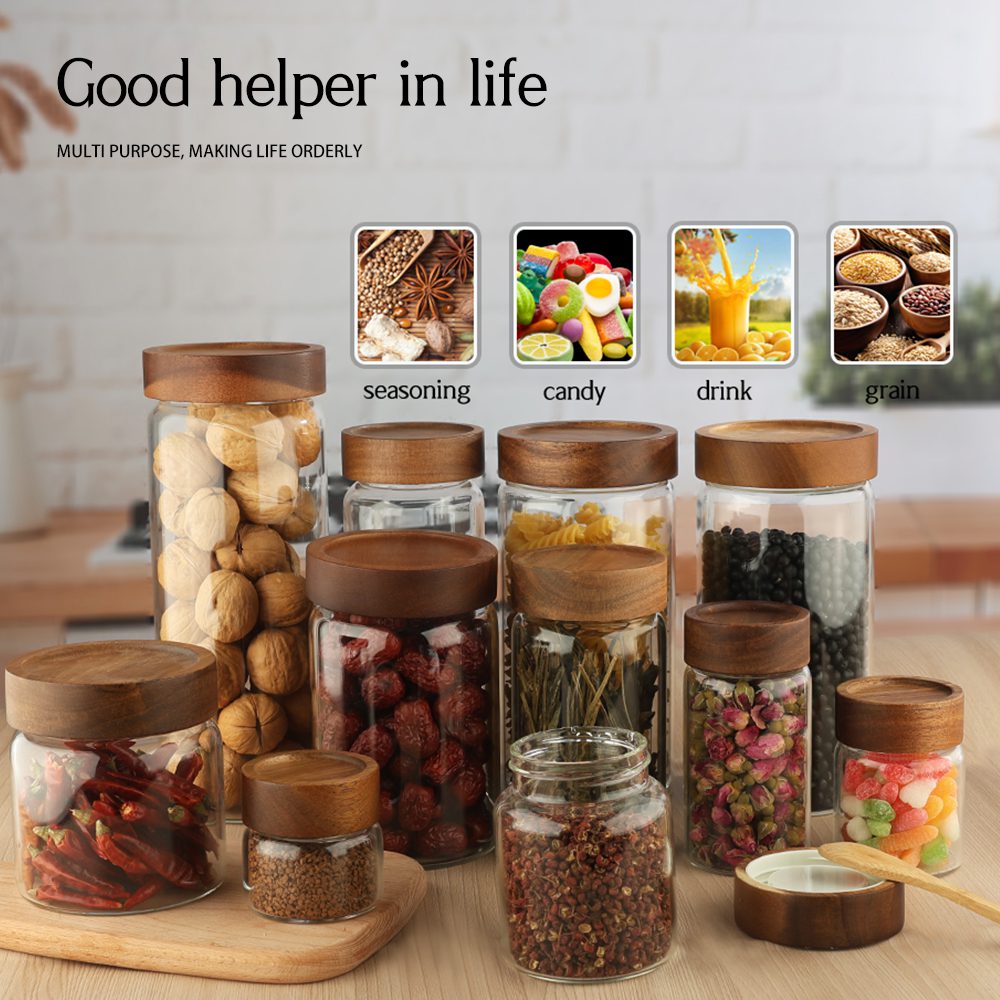
Las especificaciones de un tarro no equivalen a un número de artículo genérico. En el caso de los productos untables, hay tres dimensiones que determinan si el usuario final puede realmente extraer el producto: el diámetro de la boca, el perfil del hombro y el acabado de la rosca.
El diámetro de la boca determina el acceso de la cuchara. Una abertura de 45 mm resulta estrecha para la mermelada con trozos; 58 mm es cómoda para la mayoría de las mermeladas; 63 mm y más se adapta a la miel espesa y cristalizada. También hay que tener en cuenta el diámetro del cuerpo del tarro, ya que una boca estrecha en un cuerpo ancho crea un cuello en el que queda atrapado el producto. Nuestro tarro de miel de marca blanca más solicitado tiene un cuerpo de 80 mm con una boca de 58 mm, lo que proporciona al usuario un espacio sin obstáculos para la cuchara, al tiempo que mantiene el diámetro del anillo de sellado lo suficientemente pequeño como para garantizar un cierre fiable con la tapa de lengüeta.
El diseño del hombro influye en la facilidad para raspar. Un borde pronunciado en la parte superior del tarro deja un anillo inaccesible donde la mermelada se endurece y se seca. Un borde suavemente curvado, que conseguimos controlando la distribución del vidrio durante la fase de moldeo por soplado, permite que una cuchara llegue a todos los rincones con el mínimo esfuerzo. Este detalle puede parecer insignificante en un dibujo, pero las opiniones de los consumidores suelen destacarlo tras unos pocos usos.
Acabado de la rosca y compatibilidad con las tapas. La mayoría de los tarros de miel y mermelada utilizan una rosca continua (CT) o un acabado con salientes. Los acabados CT proporcionan un cierre más hermético, pero requieren más par de apriete para cerrarlos; los acabados con salientes se abren más rápido, pero exigen un engarzado preciso de la tapa para mantener la integridad del cierre. Recomiendo un acabado CT 63/400 para tarros de 250 ml a 500 ml: combina un sellado fiable con un paso de rosca que se adapta a la mayoría de las tapas metálicas o de plástico disponibles en el mercado. Especifique siempre si la tapa llevará un revestimiento de plastisol o una junta de silicona. El plastisol funciona bien para el almacenamiento a temperatura ambiente, pero puede ablandarse a temperaturas de pasteurización superiores a 85 °C. Los revestimientos de silicona mantienen su elasticidad en todo el rango de temperaturas, desde -20 °C hasta 150 °C.
A continuación se muestra una tabla de referencia con las capacidades y dimensiones habituales que suministramos a las marcas de alimentación. Se trata de valores de partida; prácticamente cualquier dimensión puede ajustarse mediante el desarrollo de moldes a medida.
| Capacidad | Diámetro del cuerpo (mm) | Altura (mm) | Diámetro interior de la boca (mm) | Uso habitual |
|---|---|---|---|---|
| 100 ml | 55 | 80 | 45 | Frascos de muestra, envases de viaje |
| 250 ml | 66 | 105 | 53 | Mermeladas, conservas |
| 370 ml | 72 | 120 | 58 | Miel, cremas espesas para untar |
| 500 ml | 80 | 135 | 63 | Tarros de tamaño familiar |
| 750 ml | 90 | 155 | 63 | Miel a granel, sector de la restauración |
| 1000 ml | 100 | 170 | 70 | Venta al por mayor, almacenamiento de ingredientes |
Personalización de marcas blancas: del molde al producto acabado
El mayor error que observo en los proyectos de marca blanca es tratar el frasco como un artículo estándar y limitarse a personalizar la etiqueta. Un molde a medida, incluso una simple modificación del perfil de la base o del hombro, da lugar a un frasco que ningún competidor puede replicar sin encargar su propio molde. La personalización se divide en cuatro niveles, y tu presupuesto determina hasta dónde puedes llegar.
Primera capa: serigrafía o grabado láser sobre el cuerpo de un frasco ya fabricado. Podemos aplicar un logotipo monocromo, una escala de medidas o un motivo decorativo directamente sobre la superficie del vidrio. La serigrafía utiliza tintas cerámicas aptas para uso alimentario que se fusionan con el cristal durante el proceso de recocido a una temperatura de entre 580 °C y 600 °C, por lo que la impresión nunca se borra, ni siquiera en el lavavajillas. El grabado láser produce una marca mate sin añadir ningún material, lo que resulta ideal para una imagen de marca minimalista.
Segunda capa: relieve personalizado en la base. Esto requiere un nuevo molde de soplado, pero el coste del molde es moderado, ya que solo afecta a la placa inferior. Una empresa de miel con la que colaboramos grabó un relieve con un patrón hexagonal en forma de panal en toda la base del tarro. El patrón crea una seña de identidad táctil y visual y aporta un valor añadido que una base lisa no tiene.
Tercera fase: cambios en la forma y la capacidad completas del cuerpo. Se trata de un juego completo de moldes, que incluye el molde en bruto, el molde de soplado y el anillo del cuello. El ciclo desde la aprobación del CAD hasta la primera muestra suele ser de entre 25 y 35 días laborables. La vida útil de los moldes para la producción de vidrio de borosilicato es de entre 150 000 y 300 000 impresiones por unidad antes de su reacondicionamiento, por lo que su volumen a largo plazo debería justificar la inversión. Nuestro equipo de ventas puede ayudarle a equilibrar el coste del molde con la reducción del precio unitario a gran escala.
Cuarta capa: tintado. El vidrio de borosilicato puede tintarse de color ámbar, azul o verde añadiendo óxidos metálicos a la masa antes de la fusión. El tintado ámbar resulta especialmente útil para la miel sensible a la luz, ya que bloquea las longitudes de onda UV inferiores a 450 nm que degradan las enzimas y los antioxidantes. La uniformidad del color entre los distintos lotes de producción requiere un estricto control del proceso; nuestro sistema de monitorización de los hornos mantiene un delta E inferior a 1,5 entre dos series de producción cualesquiera con la misma especificación de tintado.
Si tu proyecto de marca propia implica moldes con formas personalizadas o requisitos específicos de sellado de tapas para productos de alta viscosidad, solicitar una revisión técnica en una fase temprana puede ahorrarte meses de pruebas de muestras. Envía tus especificaciones a nuestro equipo de ingeniería a [email protected]: te confirmaremos la viabilidad del diseño y el plazo de entrega en un plazo de 48 horas.
Certificaciones y envases que protegen tu marca
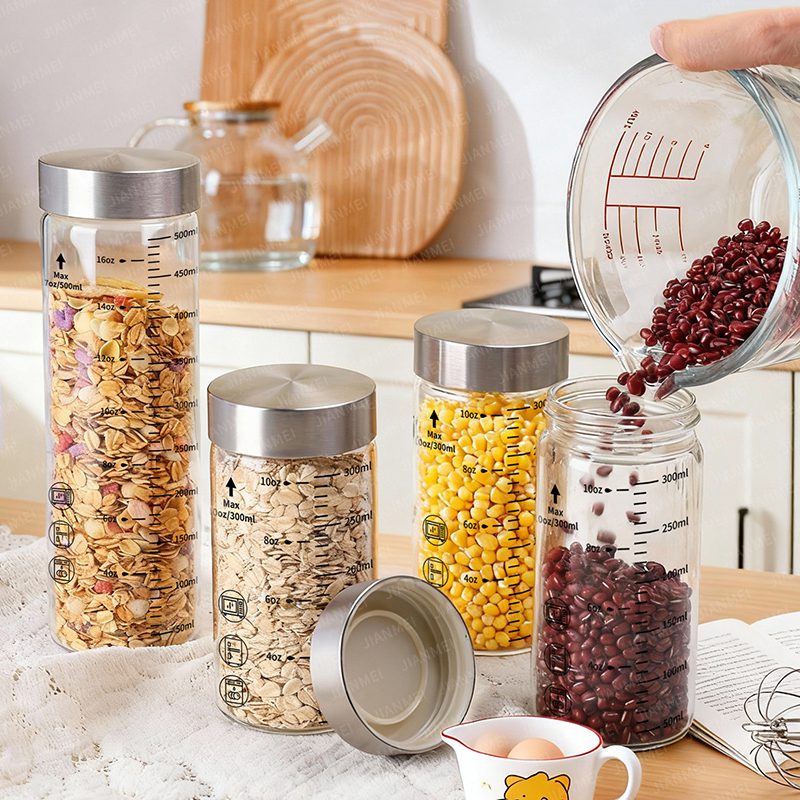
El cumplimiento normativo no es un argumento de venta; es lo mínimo exigido. En el caso de los tarros de comida importados a Norteamérica, el cuerpo de vidrio debe cumplir con la norma 21 CFR 175.300 de la FDA relativa a los aditivos alimentarios indirectos. El revestimiento de la tapa requiere una carta de garantía independiente que confirme que su composición cumple los requisitos de la FDA. En el caso de la Unión Europea, los ensayos según la LFGB (Lebensmittel- und Futtermittelgesetzbuch) abarcan la migración global, la migración específica de plomo y cadmio, y la neutralidad sensorial. Nuestra fábrica cuenta con certificados vigentes de la FDA y la LFGB, además de la documentación del marcado CE y los informes de auditoría de cumplimiento social de la BSCI.
Más allá del propio frasco, el embalaje determina si el envío llega con los frascos intactos o con el cristal roto. Las pruebas de caída según las normas ISTA 1A o 3A son un procedimiento habitual antes del envío a granel de cualquier nuevo diseño de frasco. Empaquetamos cada tarro en una celda individual con separador de cartón ondulado, y la caja de cartón exterior está homologada para soportar una secuencia de seis caídas desde 760 mm sin contacto con el producto. Para las marcas que venden a través de canales de comercio electrónico, recomiendo añadir una junta de espuma alrededor de la zona de la tapa para absorber la energía del impacto que, de otro modo, se transmitiría a través del cuello, la zona más propensa a romperse.
Colaboración con un fabricante: plazos, cantidades mínimas y control de calidad
El proceso de producción de un programa de tarros de cristal a medida sigue un procedimiento predecible. Tras la aprobación del diseño, la fabricación del molde tarda entre 15 y 20 días laborables para el juego inicial. La producción de muestras se realiza en una pequeña tirada en una máquina de moldeo para verificar las dimensiones, la capacidad y la calidad del recocido. Enviamos las muestras por transporte aéreo (de 5 a 7 días laborables a Norteamérica y de 7 a 10 días a Oriente Medio). Una vez aprobada la muestra, el plazo de entrega de la producción en serie es de entre 15 y 25 días laborables, dependiendo del volumen del pedido y del calendario de producción vigente.
La cantidad mínima de pedido es una cuestión que surge en todas las primeras conversaciones. Nuestra cantidad mínima de pedido (MOQ) establecida es de una unidad para las muestras, pero para una tirada de producción, las economías de escala empiezan a notarse realmente a partir de entre 500 y 1.000 tarros, momento en el que el coste por unidad desciende de forma significativa. Por debajo de esa cantidad, el coste de amortización del molde por tarro puede hacer que el precio unitario sea más elevado que el de los tarros ya fabricados. A los propietarios de marcas les digo que consideren el primer pedido como una inversión en el molde; a partir del segundo pedido, el coste del tarro se reduce principalmente al vidrio y la mano de obra.
El control de calidad durante la producción en serie se realiza mediante muestreo según el Nivel de Calidad Aceptable (AQL), de conformidad con la norma ISO 2859-1. Inspeccionamos: defectos visuales (grietas, piedras, ampollas), precisión dimensional (medición con calibre en varios puntos del cuerpo, la boca y el acabado), capacidad (llenado y pesaje), tensión de recocido (polarímetro) e integridad del sellado (prueba de vacío o de presión positiva en muestras aleatorias de tapas). Los registros de inspección se incluyen en la documentación del envío para que su agente de aduanas y el equipo del almacén dispongan de trazabilidad desde el primer día.
Un programa de tarros de marca blanca tiene éxito cuando los detalles técnicos —la composición química del vidrio, el acabado de la rosca, el material del cierre— se especifican con el mismo cuidado que la receta que contienen. En Xuzhou Jianmei Glass Products Co., Ltd., nuestro equipo de producción ha suministrado tarros de borosilicato aptos para uso alimentario a marcas de América del Norte, América del Sur, Europa y Oceanía. Si está creando una línea de miel, mermelada o productos para untar y necesita un tarro que se mantenga hermético, resista las temperaturas de llenado y llegue intacto, envíe sus requisitos de cantidad y dimensiones a [email protected]: le prepararemos un presupuesto y, si es necesario, le enviaremos una muestra en un plazo de dos semanas.
Preguntas frecuentes sobre los tarros de cristal personalizados para marcas de alimentación
¿Es obligatorio utilizar vidrio de borosilicato para la miel y la mermelada, o es aceptable el vidrio de cal y soda?
El vidrio sodocálcico es más barato y se utiliza ampliamente, pero presenta un mayor riesgo de rotura durante el llenado en caliente y un riesgo ligeramente superior de lixiviación alcalina en productos ácidos almacenados durante más de seis meses. El vidrio borosilicato elimina por completo esos riesgos. Para una marca blanca de gama alta que se vende al por menor a más de $5 por tarro, la diferencia de coste del vidrio por unidad es insignificante y la garantía de calidad merece la pena.
¿Puedo pedir tarros con un molde personalizado y una impresión personalizada en el mismo pedido?
Sí, y combinar ambos procesos en una misma tirada de producción reduce el coste de manipulación por unidad. Realizamos el moldeado y la impresión de forma secuencial: los frascos salen del horno de recocido, se enfrían a temperatura ambiente y, a continuación, pasan a la estación de impresión para la aplicación de serigrafía o calcomanías antes de entrar en un ciclo de curado secundario. Todo el proceso tiene lugar dentro de la misma fábrica, por lo que no hay envíos intermedios ni reempaquetado.
¿Cuánto tiempo dura un programa completo de envases, desde el diseño hasta la recepción del primer envase?
Plazo habitual: entre 7 y 10 días para el diseño del molde, 25 días para la fabricación del molde y la elaboración de muestras, 5 días para la entrega de las muestras por vía aérea, entre 3 y 5 días para la aprobación de las muestras y, a continuación, 20 días para la producción en serie y la carga de los contenedores. Un total de unos 60 días. Si puede utilizar un cuerpo de tarro ya existente y solo añadir la impresión, podemos enviar un pedido de producción en tan solo 25 días laborables tras la aprobación del diseño.
¿Qué ocurre si el frasco de muestra no cumple con mis expectativas?
Si la desviación se debe a un defecto de fabricación —dimensiones fuera de tolerancia, presencia de impurezas visibles o tensiones de recocido—, volveremos a fabricar la muestra a nuestro cargo. Si la desviación se debe a un cambio de diseño que desees realizar tras ver la muestra física, te presentaremos un nuevo presupuesto basado en el nuevo alcance y ajustaremos el molde en consecuencia. En cualquier caso, no enviamos la producción hasta que usted apruebe una muestra física. Indíquenos sus requisitos y le confirmaremos el plazo de entrega de la muestra para las dimensiones específicas de su tarro.
Si le interesa, consulte estos artículos relacionados:
alerta de los productos más vendidos de la temporada
Libera todo el potencial de tu marca con la impresión UV
cinco reglas de oro para encontrar proveedores excelentes guía de adquisición de productos de vidrio borosilicato
La historia del origen de los vasos de cristal