 Spanish
  English
  Arabic
  German
 Custom logo vaso de cristals are a brand’s silent ambassador, but building a private label drinkware line that holds up in daily use, keeps logos crisp after hundreds of washes, and clears every safety inspection takes more than a good design. I’ve spent over ten years overseeing high borosilicate glass production, and I’ve watched importers learn the hard way that the cheapest quote often hides weak annealing or logo printing that fails the moment a cup hits a dishwasher. This article lays out what actually matters when you turn a cup idea into a durable, sellable product line—from what to demand of a manufacturer to how you verify the claims on their spec sheet.
What Makes a Glass Cup Manufacturer Right for Your Private Label Drinkware Line
A factory that runs a few molding machines and ships whatever comes out of the kiln isn’t the same as one built to sustain a brand. For custom logo glass cups, you need a partner whose production rhythm matches your launch timeline and whose quality systems don’t depend on the mood of a single shift supervisor. I look for three things: a dedicated borosilicate glass line (soda-lime won’t handle thermal shock the same way), in-house annealing that brings residual stress low enough to survive rapid temperature swings, and testing protocols that are audited, not just claimed. At our facility, we anneal at a controlled cooling rate across 100‑meter furnaces and pull random samples hourly for thermal shock tests—steam‑to‑ice cycles that replicate what a café espresso bar really does to a cup.
Beyond the floor, the quiet differentiator is how a factory handles logo integration. A silk screen line that stops for retooling every time you change a design will delay shipments. Laser engraving stations need environment‑controlled enclosures to keep engraving depth consistent across 50,000 pieces. Ask to see the production dashboard for the shift before your order runs—real throughput numbers, not just a capacity plaque on the wall.
Custom Logo Application Methods That Last
Logo placement isn’t decoration; it’s the first wear‑test result your customer will judge. Three methods dominate borosilicate drinkware, and the right one depends on your order volume, art complexity, and the kind of abuse the cup will face.
Silk Screen Printing
Silk screen applies ceramic ink through a fine mesh onto the glass surface, then fires it at temperatures that fuse ink and glass. It’s cost‑effective for runs above a few hundred units and handles multi‑color designs well. The durability piece comes down to the ink formulation and the firing curve—undercure the ink and it softens in commercial dishwashers. We run a two‑stage curing cycle that brings the ink to full hardness, and we spot‑check adhesion with a cross‑hatch tape test on every production lot.
Grabado con láser
Laser engraving etches the glass itself, so there’s no ink to wear off. It works best for monochrome logos, fine text, and high‑contrast marks on clear or frosted glass. The challenge is maintaining uniform depth when cup walls vary slightly in thickness. Our laser stations use optical sensors that measure wall thickness before the beam fires and adjust pulse duration accordingly. For premium corporate gifts or reusable bottle lines, laser is often the option that avoids returns for fading logos.
Water Transfer Decals
Decals allow full‑color artwork and photographic reproduction, but the protective glaze layer is thinner than a fired ceramic ink, so they’re less durable in heavy commercial dishwashing. They suit limited editions and promotional runs where shelf impact outweighs five‑year longevity. If you go this route, ask for a dishwasher cycling report that shows what the label looks like after 30, 60, and 120 cycles.
| Logo Method | Durability in Dishwasher | Lo mejor para |
|---|---|---|
| Serigrafía | High—fused at 600°C+ | Daily use cups, café orders |
| Grabado con láser | Maximum—etched into glass | Premium brands, corporate gifts |
| Water Transfer Decal | Moderate—glaze may thin | Promotional limited editions |
From Idea to First Shipment: The Step‑by‑Step Build
I’ve seen a buyer take a pencil sketch to finished stock in under ten weeks, and I’ve seen the same timeline stretch to six months because nobody pinned down the mold situation. The process has four phases that need calendar commitments, not just polite estimates.
- Spec Sheet and Artwork Freeze — Your cup dimensions, capacity, rim style, and logo placement plus the color‑separated vector file. If you’re using an existing mold, skip to sampling. Otherwise, the steel molding step starts here.
- 3D Rendering and Sample Creation — The factory produces a few pre‑production samples to verify the look and hand‑feel. With in‑house 3D printing for mold proofing, we can turn a rendering into a physical sample in five days.
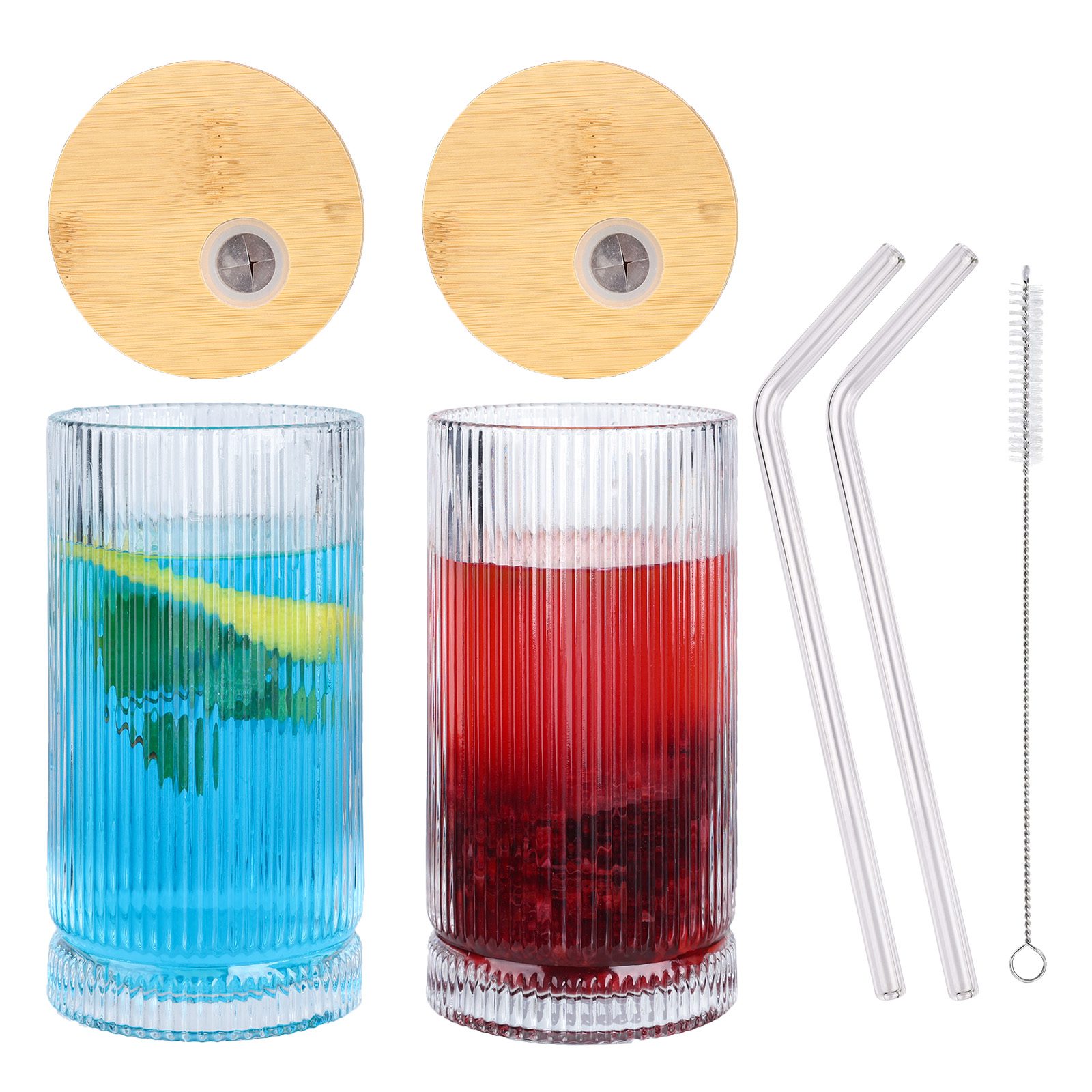
- Production and In‑line QC — On‑line checks at annealing exit, capacity measurement, and visual defect sorting run continuously. If you’re adding silicone sleeves or lids, those are assembled in a separate line to avoid cross‑contamination.
- Final Inspection and Load‑out — AQL sampling per the agreed standard, box‑drop testing, and pallet load integrity photos sent to you before the truck leaves. This is where we catch the things no spec sheet mentions—like a pallet strap pinching the outer cartons.
If your program spans multiple cup sizes in one shipment, ask the manufacturer if they can consolidate production runs to save on mold‑change time. We often batch 300‑ml, 500‑ml, and 750‑ml cups from the same borosilicate tube diameter, which keeps unit cost flat across the range.
Quality Gates That Protect Your Brand’s Reputation
A glass cup that breaks in a customer’s hand is a lawsuit. A cup that leaches heavy metals is a market recall. You need the paper trail, not just the product.
Resistencia al choque térmico — The borosilicate glass we produce handles a 120°C differential without cracking. Standard certification tests (like those under LFGB and FDA) require repeated cycling between hot and cold. I ask our lab to run 50 cycles instead of the mandated 10—real use is harsher than a compliance minimum.
Chemical Migration Compliance — Food‑contact glass must pass lead and cadmium migration limits under FDA, LFGB, or CA Prop 65. We test every new colored glass batch before it’s released for production, not just annually. If a manufacturer can’t show you batch‑level testing certificates for the color you’re ordering, walk away.
Packaging Drop Tests — Your shipping carton should survive a 1.2‑meter vertical drop onto concrete without breakage. We foam‑insert each cup and still run the drop test because couriers respect packages less than you do.
Ask for a copy of the internal non‑conformance log for the last month. A factory that keeps zero non‑conformance records isn’t running real quality control; it’s running wishful thinking.
If you’re importing into the EU, verify that the LFGB certificate covers the specific glass composition of your order, not just a generic lab sample. An LFGB certificate from a lab that tested one sample three years ago doesn’t protect your shipment.
Scaling Your Drinkware Line Without Multiplying Complexity
Once the first SKU succeeds, the instinct is to add ten more. That’s fine if you manage it like a manufacturing ramp, not a menu expansion.
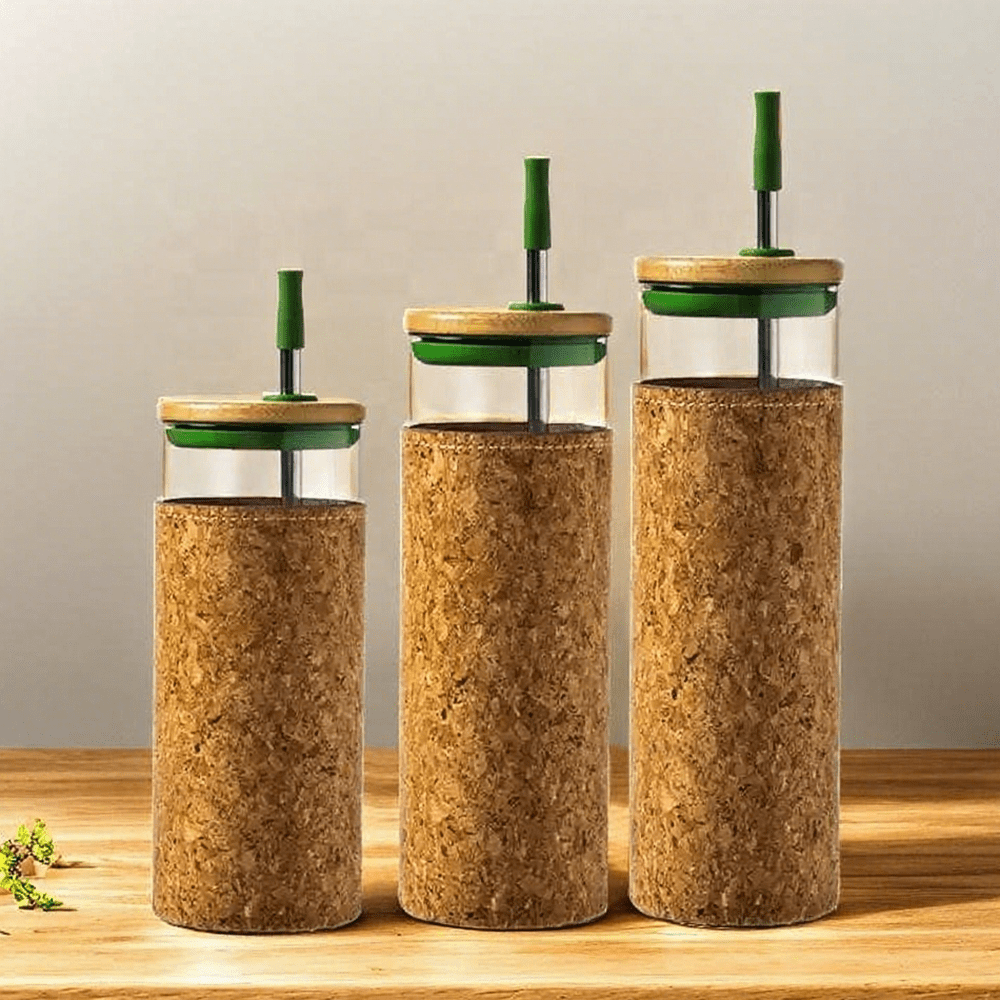
Mold Sharing — We can use a single mold core to produce multiple SKUs—same cup body, different silicone sleeve colors or lid types. That slashes mold investment and keeps per‑piece amortization steady. Color variants, branded boxes, and sleeve‑only changes let you build shelf variety while production stays predictable.
Packaging as Brand Real Estate — A custom box with your logo, a die‑cut insert, and a user card can increase perceived value more than a finish upgrade on the glass itself. We offer in‑house box design and printing that ties packaging lead time into the same production timeline as the cups, so nothing arrives late.
Multi‑Product Consolidation — Ordering water bottles and mugs from the same borosilicate production line reduces per‑container shipping cost because the pallet density stays high. Since we produce 200,000 pieces daily across jar, bottle, and cup lines, a mixed shipment doesn’t trigger a capacity penalty.
Common Questions About Building a Private Label Glass Cup Line
What’s the minimum order quantity for custom logo glass cups?
It depends on the level of customization. For an existing mold with silk screen printing, we can start at 500 pieces. For a new mold, the mold cost needs to be amortized, so typical minimums run 5,000 to 10,000 pieces to keep unit economics sensible. We offer single‑piece sampling for design verification before you commit to production.
How long does it take from design approval to delivery?
Using an existing mold, three to four weeks for a 5,000‑piece order, including logo sample approval and standard sea freight consolidation. New molds add two to three weeks for mold fabrication and first‑article sampling. Air freight can compress the total to under two weeks when the retail launch date won’t wait.
Which logo technique holds up best in a commercial dishwasher?
Laser engraving, because there’s no ink to degrade. Silk screen, if properly fused, can also withstand thousands of cycles—we’ve tested our high‑fire ceramic ink past 1,200 dishwasher cycles with no visible fading. Decals are the least durable and best reserved for short‑term promotions.
Can I order multiple cup sizes with the same logo and packaging design?
Yes, and we encourage it. Using a shared mold family, you can get 300‑ml, 500‑ml, and 750‑ml cups with consistent logo positioning and box graphics. This simplifies inventory and gives retailers a coordinated display set.
How do I ensure my glass cups are safe for food use?
Request batch‑specific heavy metal migration test reports for lead and cadmium, and a certificate of compliance to FDA or LFGB. Ask whether the glass formulation itself is certified, not just the finished cup. Our borosilicate raw material is pre‑tested at incoming, and every colored glass batch undergoes a migration test before production release. If your supplier hesitates to share these documents, the risk isn’t worth the margin—send your design specs to us at [email protected] and we’ll walk you through the testing package that comes with every order.
Si le interesa, consulte estos artículos relacionados:
¿Por qué arriesgarse con el BPA? Apuesta por el vidrio: 100 % seguro, sostenible y elegante.
el día de san valentín y los más vendidos durante todo el año
por qué 60 de los compradores transfirieron pedidos a esta fábrica china
vidrio borosilicato vsvidrio ordinariovidrio sodocálcico