
 Spanish
  English
  Arabic
  German
 Sourcing from a Chinese Glassware Factory: A Practical Guide for First-Time Buyers
Working with a Chinese glassware factory for the first time can feel like stepping into unfamiliar territory. The cost savings are real, and so is the manufacturing capability—but getting from initial inquiry to a successful first shipment requires more groundwork than most buyers anticipate. I’ve seen orders go smoothly when buyers prepare thoroughly, and I’ve seen them stall when assumptions replace specifics. This guide walks through the critical steps for importing glass products, with particular attention to supply chain management and the specialized considerations that come with materials like borosilicate glass.
Getting Your Product Specifications Right Before You Reach Out
A successful first order starts with clarity about what you actually need. Vague requests lead to misaligned quotes and wasted time on both sides. Custom glass manufacturing demands precision—materials, dimensions, functional requirements all need to be spelled out before a Chinese glassware factory can give you meaningful feedback.
If you’re sourcing heat/cold-resistant borosilicate glass, for instance, the temperature range matters. So does thermal shock resistance. These aren’t details to figure out later; they determine whether the factory can even produce what you need and what the material costs will look like.
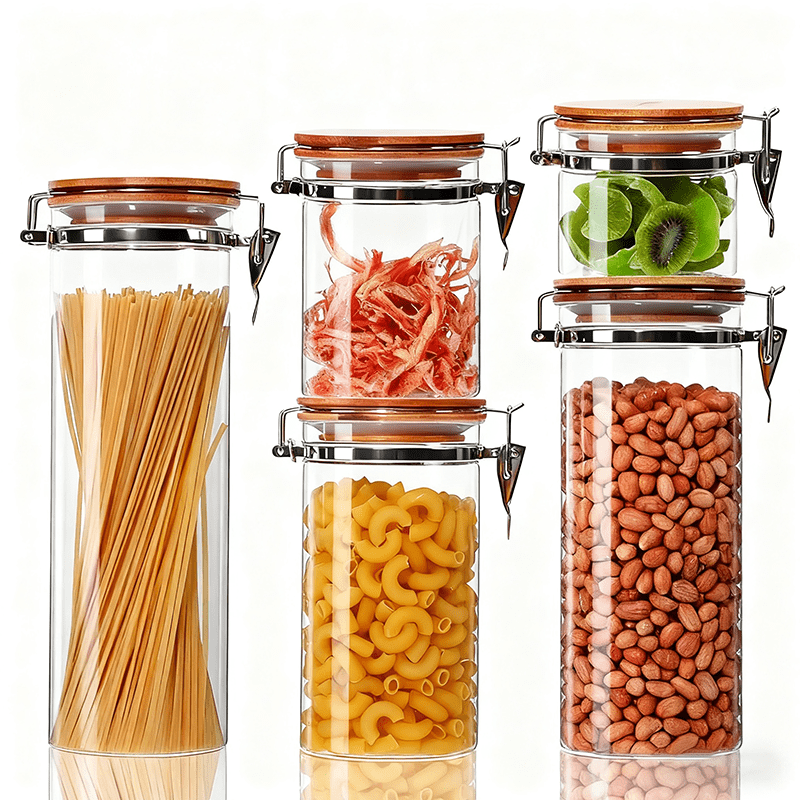
Think through your product category carefully. Borosilicate glass Food Storage Jars have different manufacturing considerations than a borosilicate drink glass water bottle. Glass mugs with handles require different mold work than a simple glass cup. Each product type—whether it’s a glass jar, glass water bottle, or double walled glass mugs—comes with its own production process and material requirements. A glass jar meant for food storage might need specific lid threading, while a borosilicate glass water bottle designed for daily carry needs to prioritize impact resistance.
Xuzhou Jianmei specializes in heat/cold-resistant borosilicate glass products across these categories. Their OEM services cover customization of the glass body, shape, size, opening, logo, and packaging—which means they can accommodate most design requirements, from Airtight Glass Jar configurations to more specialized forms.
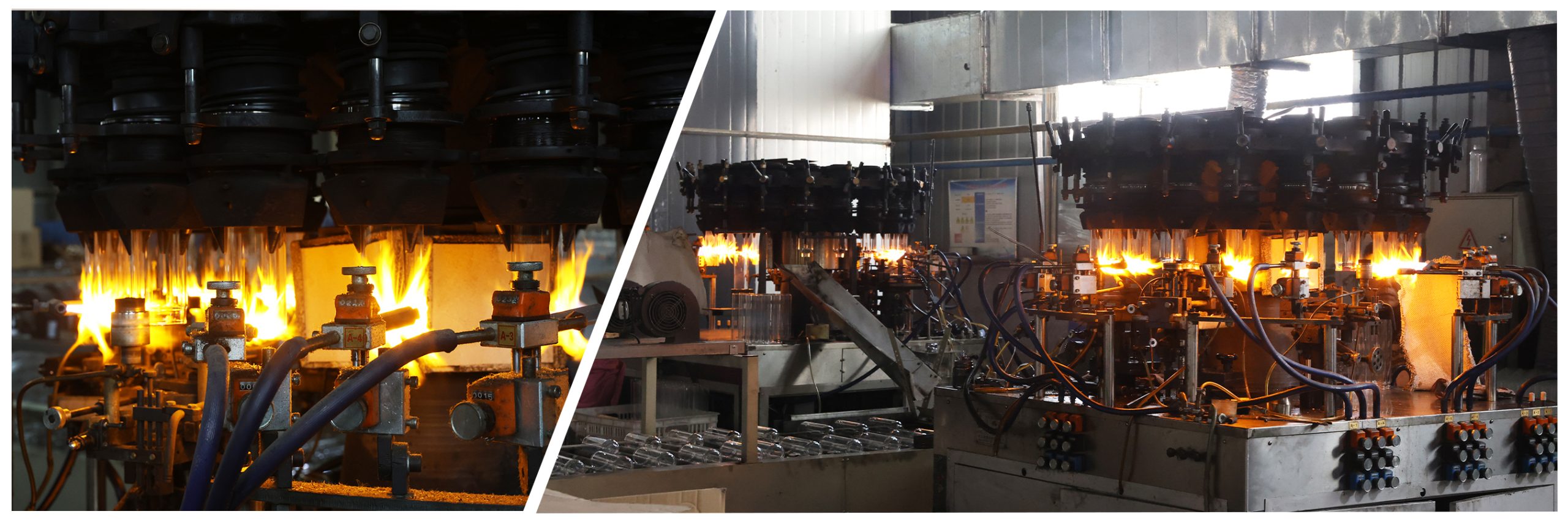
Production capacity matters too. Before committing, understand whether a supplier can actually deliver at the volume you need. Xuzhou Jianmei operates a 40,000 sq.m facility with 200,000 pieces of daily output, which provides meaningful assurance for buyers planning larger orders or anticipating growth.
| Specification Category | Details Required | Example for Borosilicate Glass Cup (420ml) |
|---|---|---|
| Material Composition | Glass Type, Grade, BPA-free status | 3.3 Borosilicate Glass, BPA-free |
| Physical Dimensions | Height, Diameter, Wall Thickness, Weight | 6.6×18.9cm, specific wall thickness |
| Capacity Options | Volume in milliliters or fluid ounces | 300 ml, 420 ml, 500 ml, 550 ml, 750 ml, 1000 ml |
| Performance Features | Heat/Cold Resistance, Leak-proof, Durability | -20°C to 300°C, Leak-proof design |
| Lid & Accessories | Material (Wood, Stainless Steel), Seal Type | Natural Wood Lid / Stainless Steel Lid + Silicone Seal |
| Customization Scope | Logo application, Body Shape, Packaging design | Custom logo printing, unique body shape, branded packaging |
Evaluating Manufacturers Beyond the Sales Pitch
Supplier vetting separates successful sourcing from expensive lessons. When importing glass products from China, a factory audit provides information that no catalog or email exchange can match. You get to see the production floor, assess equipment condition, and observe quality control standards in practice.
Look at the fundamentals: factory history, team expertise, equipment quality. Xuzhou Jianmei operates with a 200-employee team and 100 advanced machines across their facility—numbers that indicate genuine manufacturing capability rather than a trading company middleman.
Product certifications tell you whether a factory has actually invested in meeting international standards. FDA certification matters for food contact materials. CE certification is essential for European market compliance. These aren’t optional checkboxes; they’re evidence that products have been tested against specific safety benchmarks. Xuzhou Jianmei holds 120 testing certifications including FDA and CE, which simplifies compliance documentation for buyers.
Intellectual property rights protection deserves serious attention, especially for custom designs. Ask about non-disclosure agreements and review the factory’s track record with appearance patents. Xuzhou Jianmei holds 45 appearance patents and 32 IP rights—a level of investment that suggests they take design protection seriously. This matters because the alternative is watching your custom design appear in a competitor’s catalog six months later.
How do I verify the quality and certifications of a Chinese glassware supplier?
Start by requesting actual certification documents—FDA approval letters, CE certificates, testing reports from accredited labs. Then verify them independently where possible. Third-party inspections or factory audits let you assess quality control standards directly rather than taking claims at face value. Sample production quality should be scrutinized carefully before approving any mass manufacturing run. This approach takes more time upfront but prevents much larger problems downstream.
Negotiating Terms That Protect Your Interests
Pricing negotiation involves more than unit cost. Tooling fees, packaging costs, and sample production charges can add up quickly if you don’t address them explicitly. Get all cost components itemized in writing before agreeing to anything.
Minimum order quantity (MOQ) often determines whether a project is commercially viable for smaller buyers. Many factories set high MOQs that make sense for their production efficiency but create barriers for businesses testing new products or operating at smaller scale. Xuzhou Jianmei offers a 1-piece minimum order option, which is unusual in the industry and particularly valuable for prototyping or market testing.
Payment terms require careful attention because they directly affect your financial exposure. T/T payment (Telegraphic Transfer) typically involves an upfront deposit—often 30%—with the balance due before or upon shipment. L/C payment (Letter of Credit) provides more protection for larger orders by involving banks as intermediaries who verify that contract conditions have been met before releasing funds.
| Condiciones de pago | Descripción | Buyer Protection Level | Typical Use Case |
|---|---|---|---|
| T/T (Telegraphic Transfer) | Upfront deposit, balance before/after shipment | Moderado | Common for established relationships |
| L/C (Letter of Credit) | Bank guarantees payment upon conditions | Alta | Large orders, new relationships |
| Escrow Service | Third-party holds funds until delivery | Alta | Online platforms, smaller transactions |
What payment terms are common when ordering from Chinese glass manufacturers?
T/T payment and L/C payment are the standard options. T/T works well for established relationships where trust has been built, though the upfront deposit creates some exposure. L/C offers stronger protection for larger orders or new supplier relationships because the bank only releases payment when documented conditions are satisfied. For first orders with unfamiliar suppliers, escrow services provide an additional layer of security worth considering.
Handling Logistics Without Getting Burned
Shipping logistics and import compliance trip up more first-time importers than manufacturing issues do. Understanding Incoterms is essential because they define exactly who is responsible for what costs and risks at each stage of the journey.
FOB (Free On Board) means the seller’s responsibility ends when goods are loaded onto the ship. CIF (Cost, Insurance, and Freight) means the seller covers shipping and insurance to the destination port. EXW (Ex Works) puts almost all responsibility on the buyer from the factory door forward. Choosing the wrong Incoterm can leave you unexpectedly responsible for costs or risks you hadn’t budgeted for.
Customs clearance requires accurate export documentation—commercial invoices, packing lists, certificates of origin. Errors here cause delays and can trigger additional import duties. Working with experienced freight forwarders pays dividends because they understand both international shipping regulations and local customs requirements at your destination.
Packaging requirements deserve special attention for glass products. Inadequate packaging leads to breakage during transit, and damage claims rarely recover full costs. Discuss specific packaging materials and methods with your supplier before production begins. For borosilicate glass products, secure packaging isn’t optional—it’s essential.
What are the typical lead times for custom borosilicate glass products?
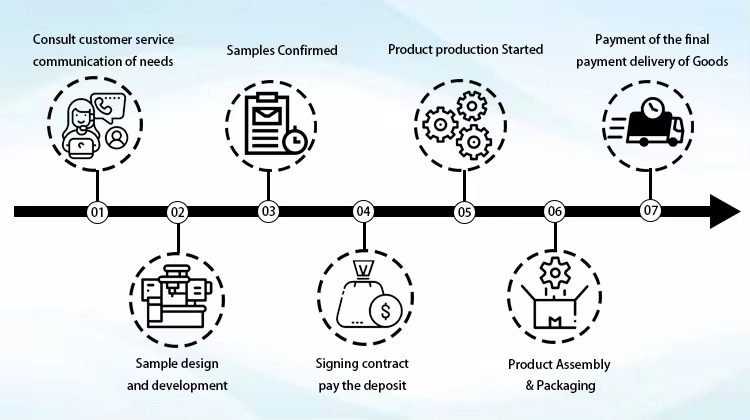
Lead times depend on several variables. Design finalization and sample approval can take a few weeks depending on complexity and revision cycles. Production lead time varies with order volume and factory capacity—Xuzhou Jianmei’s 200,000 pieces daily output allows for competitive timelines on larger orders. Shipping adds additional time based on freight method and destination. Sea freight to North America typically runs 3-5 weeks; air freight is faster but significantly more expensive. Build buffer time into your planning because delays happen.
Cómo hacer que la relación funcione a largo plazo
A Chinese glassware factory relationship that works well over time requires investment beyond the transactional. Communication patterns matter—establish preferred channels and regular check-in schedules that account for time zone differences. Proactive engagement prevents small misunderstandings from becoming production problems.
Sample services provide ongoing value beyond the first order. When developing new products or running quality checks on existing lines, having a supplier who can produce prototypes efficiently saves time and reduces risk. Xuzhou Jianmei offers dedicated sample services that allow clients to review and refine designs before committing to mass production.
A supplier’s global market experience indicates their ability to support your growth. Manufacturers who serve diverse markets—North America, South America, Europe, Oceania—have typically developed systems for meeting various regional standards and understanding different consumer preferences. This experience translates into fewer compliance surprises and more relevant product recommendations. Strong customer service and after-sales support make problem resolution faster when issues inevitably arise.
Protecting Yourself When Things Don’t Go as Planned
Risk management isn’t pessimism—it’s preparation. Conduct a risk assessment covering quality deviations, production delays, and logistical disruptions. Identify where your supply chain has single points of failure.
Contingency planning means having options ready before you need them. Alternative suppliers, buffer inventory, expedited shipping arrangements—these take time to establish, so set them up before a crisis forces your hand. Supply chain transparency from your primary supplier helps you spot problems early enough to respond.
Legal agreements should define responsibilities clearly: quality standards, delivery timelines, intellectual property protection, dispute resolution mechanisms. A well-drafted contract doesn’t prevent all problems, but it provides a framework for resolving them when they occur. Xuzhou Jianmei maintains strict legal compliance and transparent practices, which provides a foundation for secure collaboration.
Ready to Partner for Your Glassware Needs?
Ready to streamline your glassware sourcing? Partner with Xuzhou Jianmei Glass Products Co., Ltd. for unparalleled expertise in borosilicate glass manufacturing. With 45 appearance patents, 120 testing certifications (FDA, CE, etc.), and a commitment to quality, we offer custom orders, OEM, and a flexible 1000 pieces MOQ to support your business growth. Our 200-employee team, utilizing 100 advanced machines across 40,000 sq.m, produces 200,000 pieces daily, serving global markets. Contact us today at [email protected] to discuss your project and achieve bright cooperation.
Frequently Asked Questions About Importing Glassware
What is the typical MOQ for custom glassware from China?
Most factories set MOQs in the hundreds or thousands of units, which reflects their production economics. Xuzhou Jianmei Glass Products Co., Ltd. takes a different approach with a 1000 pieces minimum order option. This flexibility matters for businesses testing new products, running small initial orders, or needing samples for market validation. It reduces the financial commitment required to evaluate whether a product concept will work before scaling up production.
How can I ensure my custom glass designs are protected?
Design protection starts with choosing suppliers who have demonstrated commitment to intellectual property rights. Xuzhou Jianmei holds 45 appearance patents, which indicates they understand the value of original designs. Before sharing any proprietary concepts, get a non-disclosure agreement signed and reviewed by someone familiar with international IP law. Document your designs thoroughly with dated records. These steps won’t prevent all risks, but they establish legal standing if problems arise.
What certifications should I look for in a Chinese glassware supplier?
FDA certification is essential for any glass products that will contact food or beverages in the US market. CE certification is required for European market entry. Beyond these basics, look for testing certifications that verify specific performance claims—temperature resistance, durability, chemical safety. Xuzhou Jianmei Glass Products Co., Ltd. holds over 120 testing certifications, which simplifies compliance documentation and provides assurance that their borosilicate glass products meet international standards.
What are the advantages of ordering borosilicate glass from China?
Chinese manufacturers have invested heavily in borosilicate glass production capability over the past two decades. Factories like Xuzhou Jianmei combine competitive pricing with genuine technical expertise in heat/cold-resistant glass. Their 200,000 pieces daily capacity means they can handle volume orders without quality degradation. Extensive customization and OEM capabilities allow buyers to develop differentiated products rather than reselling generic items. The combination of cost, capability, and customization creates supply chain advantages that are difficult to replicate elsewhere.
How do I start the sample production process for a new glassware product?
Begin with detailed specifications and design files—the more complete your documentation, the faster the sample process moves. Xuzhou Jianmei Glass Products Co., Ltd. offers dedicated sample services where you can review prototypes and request modifications before approving mass production. Expect at least one revision cycle; first samples rarely match expectations perfectly. Use the sample phase to verify not just appearance but functional performance under real-world conditions. This investment in validation prevents much larger problems during full production.
Si le interesa, consulte estos artículos relacionados:
style function your a w thermflask sourcing guide
innovaciones en vidrio de borosilicato impulsadas por el auge de la sostenibilidad en europa