
 Spanish
  English
  Arabic
  German
 Cuando los propietarios de marcas blancas evalúan taza de cristalA la hora de comparar las tazas de vidrio con las de cerámica, la conversación suele limitarse a las preferencias de los consumidores. Esto pasa por alto el panorama general. La rentabilidad de las marcas blancas depende más de los costes de fabricación, el peso del envío y las tasas de rotura que del atractivo estético. A lo largo de más de diez años de producción de vidrio de alto contenido en borosilicato, he podido comprobar cómo la elección adecuada del material puede aumentar en varios puntos porcentuales el margen de una línea de productos. Este artículo analiza los aspectos económicos de la producción que hacen que las tazas de vidrio, en particular las de vidrio de borosilicato, sean una opción más rentable para las marcas blancas de lo que muchos compradores creen.
¿Qué factores determinan el coste de fabricación de las tazas de cristal frente a las de cerámica?
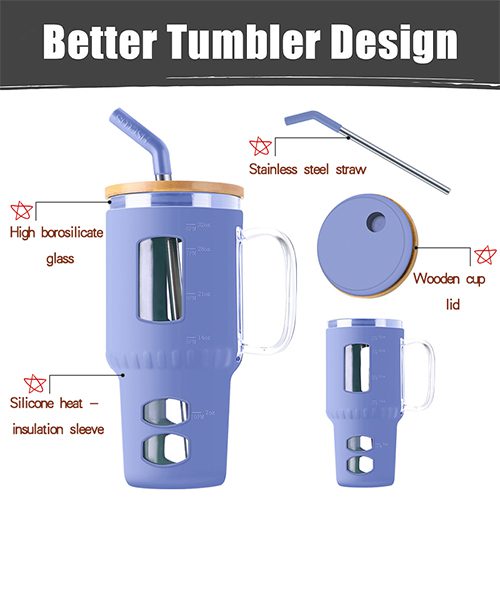
El coste unitario de una taza depende, en primer lugar, de las materias primas, la energía y la velocidad de producción. Taza de vidrio borosilicatoSe fabrican a partir de arena de sílice, carbonato sódico y trióxido de boro, se calientan a unos 1200 °C y se moldean con precisión en cuestión de segundos. Las tazas de cerámica, por el contrario, requieren masa de arcilla, modelado, un secado lento para evitar grietas, una cocción de bizcocho a 900-1000 °C, la aplicación del esmalte y una segunda cocción a 1200-1300 °C. Ese proceso de varias etapas puede durar entre dos y tres días por lote.
En nuestras instalaciones, el moldeado automatizado de vidrio borosilicato permite producir una taza acabada en menos de un minuto. El ciclo térmico más corto y el menor consumo energético por pieza se traducen en una ventaja en los costes de fabricación que se multiplica a medida que aumenta la escala de producción. Además, las herramientas para los moldes de vidrio son más sencillas y duraderas, lo que reduce el coste amortizado del molde por unidad. Una comparación típica sería la siguiente:
| Factor de coste | Taza de vidrio borosilicato | Taza de cerámica |
|---|---|---|
| Materias primas por unidad | Aportes bajos y abundantes | Mezclas de arcilla especializadas, de baja a moderada densidad |
| Ciclo de producción | De segundos a minutos | De horas a días (varios hornos) |
| Consumo energético por unidad | Moderada, fase de fusión única | Etapas más intensas y múltiples a alta temperatura |
| Mano de obra por unidad | Bajo, altamente automatizado | Acristalamiento moderado, a menudo manual |
| Amortización de los utillajes | Moldes de acero bajos y resistentes | Cuanto más altos son los moldes de yeso, más rápido se desgastan |
Estas diferencias estructurales hacen que, para un volumen de pedido determinado, la fabricación de una taza de vidrio de borosilicato suela resultar más económica que la de una taza de cerámica de tamaño y calidad similares. La diferencia se acentúa a medida que aumentan las cantidades de pedido.
Cómo el peso del envío y las tasas de rotura modifican la ecuación de beneficios
El coste de fabricación es solo una parte del coste total. En el abastecimiento internacional de marcas blancas, los gastos de transporte y las mermas suelen contrarrestar la ventaja inicial en cuanto al coste que suponen los materiales más baratos. Las tazas de cristal obtienen aquí un margen adicional.
Las tazas de vidrio borosilicato pesan entre 250 y 300 gramos para una capacidad estándar de 400 ml. Las tazas de cerámica del mismo volumen suelen pesar entre 350 y 420 gramos, debido al mayor grosor de las paredes necesario para garantizar la integridad estructural antes de la cocción. Si multiplicamos esa diferencia de 100 gramos por un contenedor completo, el ahorro en gastos de transporte de las tazas de vidrio puede alcanzar cientos de dólares por envío.
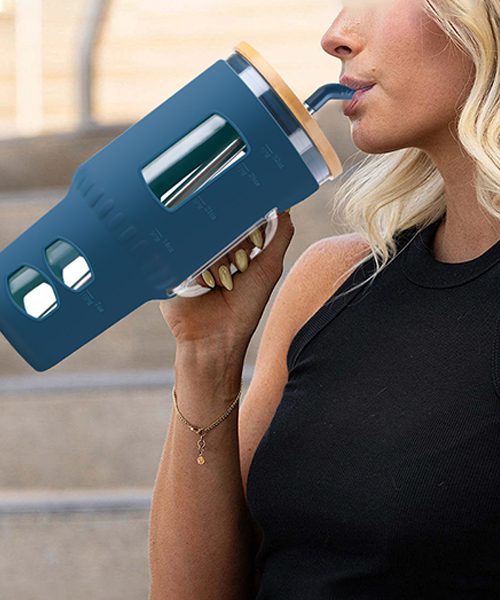
La rotura es el otro factor silencioso que merma los márgenes. La fragilidad de la cerámica hace que sean habituales las astillas en los bordes y las grietas finas durante el transporte, especialmente en los envíos marítimos. El vidrio borosilicato, con su baja expansión térmica y mayor tolerancia al impacto, resiste mucho mejor las caídas y las vibraciones durante el transporte. Observamos sistemáticamente índices de rotura inferiores al 0,51 TP3T en tazas de borosilicato embaladas correctamente, mientras que en las tazas de cerámica pueden oscilar entre el 2 y el 31 TP3T, dependiendo del diseño del embalaje. Un menor índice de rotura se traduce directamente en más unidades vendibles por contenedor y menos devoluciones.
Personalización y cantidades mínimas de pedido para tazas de cristal frente a tazas de cerámica
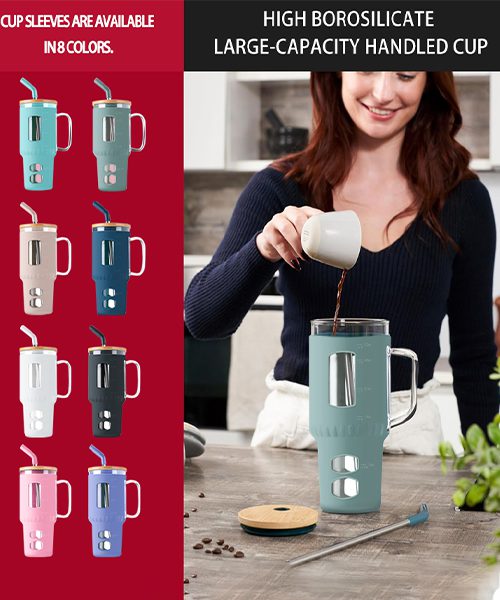
Las marcas blancas necesitan flexibilidad para probar diseños, ajustar la imagen de marca y ampliarse rápidamente. Las tazas de cristal ofrecen una clara ventaja en este sentido. Las opciones de personalización para el cristal de borosilicato incluyen la serigrafía a todo color, el grabado láser, la aplicación de calcomanías y los colores de las fundas de silicona. Las modificaciones en la forma y la capacidad solo requieren ajustes en los moldes, que son relativamente rápidos y de bajo coste.
Las tazas de cerámica también admiten impresión y esmaltado, pero los plazos de entrega para nuevas formas son más largos, y la uniformidad del color entre las diferentes tiradas de producción puede variar debido a la composición química del esmalte. Para las marcas pequeñas y medianas, la cantidad mínima de pedido (MOQ) suele ser el factor decisivo. Muchas fábricas de cerámica fijan el MOQ entre 3.000 y 5.000 unidades por diseño. Nuestra línea de producción de vidrio borosilicato admite pedidos a partir de una sola unidad para muestras y a partir de 500 unidades para tiradas personalizadas con marca propia. Este bajo MOQ permite a las marcas blancas probar múltiples referencias sin comprometerse en exceso con el stock.
Percepción de los consumidores y demanda del mercado de tazas de cristal frente a las de cerámica
La elección del material también influye en cómo una taza posiciona tu marca. La cerámica ha sido durante mucho tiempo la opción por defecto para las tazas de café, pero las tendencias de consumo están cambiando. Los compradores preocupados por la salud prefieren cada vez más el vidrio por su neutralidad en cuanto al sabor y por el hecho de que el vidrio de borosilicato no contiene BPA ni plomo, y cumple con las normas de contacto con alimentos de la FDA y la LFGB. Las tendencias en las redes sociales refuerzan esta tendencia, ya que las tazas de cristal transparente dominan las fotografías de bebidas en Instagram y TikTok.
La cerámica sigue teniendo una ventaja en cuanto a la retención del calor, ideal para saborear las bebidas lentamente y por su toque tradicional, pero esa diferencia se está reduciendo. Las tazas de vidrio borosilicato de doble pared mantienen ahora las bebidas calientes sin calentarse al tacto, igualando el rendimiento térmico de la cerámica sin su peso. Para las marcas blancas dirigidas al segmento ecológico de gama alta, las tazas de vidrio se ajustan a los valores que impulsan las decisiones de compra en el comercio minorista.
Tazas de cristal frente a tazas de cerámica: ¿cuáles ofrecen mejores márgenes de beneficio para las marcas blancas?
Si se tienen en cuenta conjuntamente los factores de coste y de mercado, el panorama del margen de beneficio se inclina a favor de las tazas de vidrio en la mayoría de los casos de marcas blancas. La combinación de un menor coste de fabricación, un peso de envío más ligero y una menor tasa de rotura da como resultado un coste total por unidad que suele ser entre un 15 y un 25% inferior al de una taza de cerámica comparable cuando se realizan pedidos de contenedores completos. Los precios al por menor de ambos materiales suelen ser similares, situándose en el rango de $8–$15 para los vasos de marca, por lo que el ahorro de costes en el caso del vidrio se traduce casi en su totalidad en un mayor margen bruto.
Esa ventaja en cuanto al margen se potencia aún más cuando se añade la flexibilidad de personalización y los plazos de entrega rápidos. Una marca puede lanzarse al mercado con un pequeño lote de tazas de vidrio borosilicato, comprobar la respuesta del mercado y ampliar los pedidos sin retrasos por cambios en el utillaje ni un elevado riesgo de exceso de existencias. Si tu objetivo como comprador de marca blanca es maximizar el margen sin renunciar a la calidad del producto ni a la libertad de diseño, las tazas de vidrio borosilicato son la opción más rentable para la mayoría de los volúmenes.
Si estás comparando tazas de cristal y tazas de cerámica para tu línea de marca propia y deseas un cálculo preciso del coste total, incluyendo los gastos de importación, para el volumen de pedido previsto, nuestro equipo puede proporcionarte un presupuesto completo que incluya los costes de molde, el precio unitario, el peso del envío y el plazo de entrega. Escríbenos a [email protected] indicando las especificaciones y la cantidad que te interesan, y te prepararemos una comparación detallada.
Preguntas frecuentes sobre el abastecimiento de tazas de cristal y cerámica
¿Es más caro fabricar vidrio que cerámica?
En la mayoría de los casos, no. Aunque los costes de las materias primas son, en líneas generales, similares, el proceso de fabricación del vidrio es más rápido y consume menos energía por unidad. Una taza de vidrio borosilicato puede pasar de la materia prima al producto acabado en menos de un minuto, mientras que la cerámica requiere días de secado y múltiples cocciones en el horno. Este ciclo más corto reduce los costes de mano de obra, energía y equipamiento por unidad, lo que hace que las tazas de vidrio sean más rentables para los volúmenes de pedido habituales de las marcas blancas.
¿Cuál es la cantidad mínima de pedido para tazas de cristal de marca propia?
Los pedidos mínimos varían según la fábrica, pero los fabricantes de vidrio de borosilicato que ofrecen la opción de marca blanca suelen establecer pedidos mínimos mucho más bajos que los productores de cerámica. En nuestras instalaciones, aceptamos pedidos a partir de tan solo 500 unidades de tazas de cristal con marca personalizada, y podemos fabricar una sola muestra para la aprobación del diseño. Esta flexibilidad permite a las marcas probar nuevos diseños sin comprometerse a un gran volumen de existencias, lo que supone una ventaja significativa a la hora de lanzar una línea de productos de marca propia.
¿Se rompen las tazas de cristal con más facilidad que las de cerámica durante el transporte?
Las tazas de vidrio borosilicato son menos propensas a romperse que las de cerámica durante el transporte. Su baja expansión térmica y su mayor resistencia a los golpes mecánicos les permiten soportar las vibraciones y las caídas ocasionales propias del transporte marítimo en contenedores. Según nuestra experiencia, las tazas de borosilicato debidamente embaladas presentan índices de rotura muy por debajo del 1%, mientras que las tazas de cerámica pueden alcanzar entre el 2 y el 3% en condiciones similares. Su menor peso también reduce la fuerza de los impactos, lo que disminuye aún más los índices de daños.
¿Puedo personalizar las formas y los colores tanto de las tazas de cristal como de las de cerámica?
Sí, ambos materiales admiten personalización, pero el proceso difiere. Los moldes de vidrio borosilicato pueden modificarse rápidamente para crear nuevas formas, y la serigrafía, el grabado láser y las fundas de silicona de colores ofrecen amplias opciones de personalización de marca. La personalización de la cerámica se basa en los colores del esmalte y las calcomanías, pero las nuevas formas requieren un desarrollo más prolongado de los moldes y conllevan el riesgo de que el producto se deforme en el horno. Para las marcas que desean realizar iteraciones rápidas, el vidrio ofrece un plazo de desarrollo más corto y resultados de color más uniformes en todas las tiradas de producción.
¿Qué material para tazas ofrece mejores márgenes de beneficio para las marcas blancas?
Las tazas de cristal suelen ofrecer mayores márgenes de beneficio debido a los menores costes combinados de fabricación y envío, además de las menores pérdidas por rotura. El coste total de una taza de cristal de borosilicato suele ser entre 15 y 25% inferior al de una taza de cerámica comparable, mientras que el precio de venta al público se mantiene similar. Esta diferencia de coste se refleja directamente en el margen bruto. Si deseas una proyección específica del margen para tu precio de venta objetivo y la cantidad del pedido, envía tus requisitos a [email protected] y te desglosaremos las cifras con detalle.
Si le interesa, consulte estos artículos relacionados:
Los mejores tarros de cristal para mermelada: cómo conservar fresca la mermelada a granel
jm glass insights: el mercado de las botellas de agua de acero inoxidable
botellas de agua deportivas de alta gama de cristal con fundas protectoras
el día de san valentín y los más vendidos durante todo el año