 Spanish
  English
  Arabic
  German
 A large-volume hotel taza de cristal procurement decision carries risk that most buyer checklists overlook. The per-unit price quoted on a spreadsheet reveals nothing about batch-to-batch consistency, breakage rates under commercial dishwashing cycles, or a factory’s real capacity to absorb a 50,000‑piece order without pushing lead times past your opening date. Zhang Wei, glassware manufacturing and production operations manager with over ten years of hands‑on experience in high borosilicate glass production, walks through the production‑floor criteria that separate a supplier who can deliver from one who will make excuses later.
Assessing a Glass Mug Manufacturer’s Production Scale for Hotel Supply
The difference between a glass mug manufacturer that handles large-volume hotel orders and one that struggles surfaces long before the first shipment, in the production equipment list. A factory floor running three manual blowing stations can produce a few thousand pieces daily with wide variation. A hotel chain needing 80,000 matching mugs across forty properties cannot gamble on that kind of output. At Xuzhou Jianmei Glass Products Co., Ltd., our 40,000‑square‑meter facility operates 100 advanced machines and produces 200,000 pieces daily. That scale translates directly into capacity reliability for procurement managers who face contract penalties if a pre‑opening order arrives short.
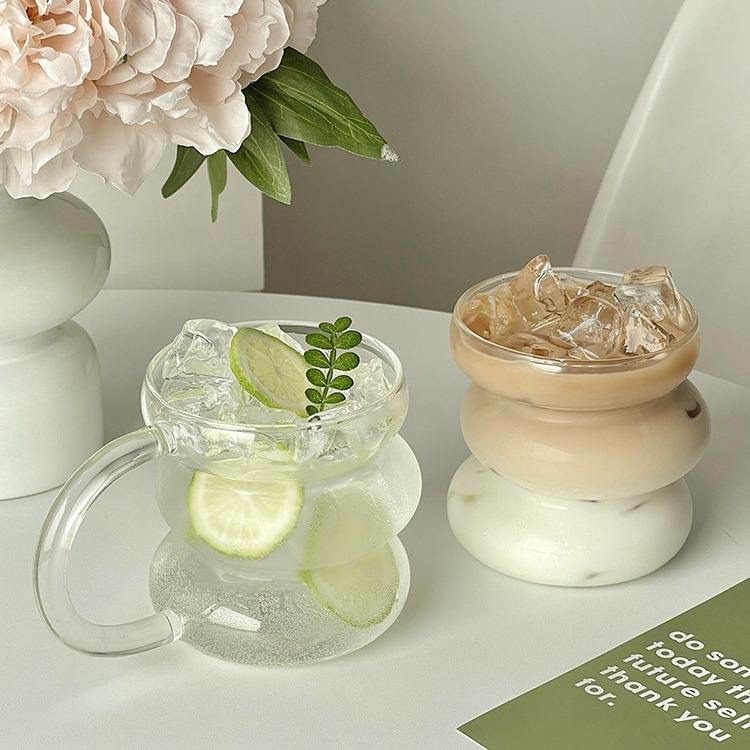
Automated molding is the engine. When I evaluate whether a line can hold consistent wall thickness across 50,000 units, I look at the molding machine specifications and the annealing furnace that follows. Borosilicate glass, the material used in all our hotel‑grade drinkware, requires a precise thermal annealing cycle to stabilize the glass structure. If a manufacturer skips controlled cooling or runs a furnace that cannot handle the line throughput, residual stress stays in the glass. That stress shows up later as spontaneous breakage in a hotel’s dishwashing tunnel, a failure that costs far more than the mug itself because it disrupts service.
How Does Borosilicate Glass Compare to Standard Glass for Hotel Mugs?
Regular soda‑lime glass costs less per piece but fails quickly under the thermal shock of a commercial dishwasher cycling between 60°C wash and 20°C rinse. Borosilicate glass handles -20°C to 300°C without cracking, which is why hotel procurement teams who track replacement cycles increasingly specify it. The higher material cost is recovered within a year through reduced breakage replacement orders. Our factory uses 3.3 borosilicate glass exclusively for drinkware, the same grade required by food‑service standards in Europe and North America.
Quality Control Systems That Lower Hotel Glass Mug Breakage Rates
Procurement managers often assume quality control means a final visual check. That assumption explains the inconsistent batches that frustrate hotel operations directors. Real quality control for high‑volume hotel glass mug orders begins with in‑line monitoring and stretches through documented testing that matches the destination market’s requirements.
| Quality Check | What It Prevents in a Hotel Setting |
|---|---|
| Pruebas de resistencia al choque térmico | Mug cracking when filled with hot coffee immediately after a cold rinse |
| Wall thickness uniformity measurement | Uneven heating that causes lips and rims to chip under stacking |
| Annealing stress inspection | Delayed breakage that appears weeks after delivery, after the mugs are already in guest rooms |
| Chemical resistance testing | Surface etching from commercial dishwasher detergents that dulls the glass over repeated cycles |
Certifications That Procurement Teams Should Require
The certification file matters more than the sample photo. For glass mugs entering US hotel chains, FDA compliance on food‑contact materials is the baseline. For European properties, LFGB certification is the standard. Our factory maintains 120 testing certifications including FDA, LFGB, CE, and SGS, covering heavy metal leaching, thermal resistance, and mechanical durability. If a supplier cannot produce current, verifiable certificates for all these categories, the per‑unit price discount they offer is likely funding corners cut somewhere in the production chain.
Inspection Protocols for Large-Volume Hotel Orders
AQL sampling is a starting point, not a safety net. For a 50,000‑piece hotel mug order, I recommend a tightened inspection level that pulls more samples than standard, specifically targeting rim finish consistency and base stability, the two failure points that generate housekeeping complaints. Pre‑shipment inspection should include thermal shock testing on a random sample of packed units, not just factory‑floor samples, because packing stress can introduce micro‑cracks that pass a casual visual check.
If your program involves custom‑shaped mugs with a specific wall thickness requirement, it is worth confirming the manufacturer’s annealing capacity before finalizing your BOM. Share your specifications to verify compatibility: [email protected].
Custom Branding and OEM Options for Hotel Glass Mugs
Hotel chains build brand value through every touchpoint, and the mug a guest holds at breakfast carries that brand more intimately than a lobby sign. Customization ranges from a single‑color logo print to fully exclusive mold development, and the choice affects both lead time and per‑unit cost in ways that are not always obvious from a price list.
Logo Printing Methods: Durability Under Commercial Dishwasher Conditions
Silk‑screen printing with ceramic ink, fired into the glass surface during the annealing process, survives commercial dishwashing far longer than decal stickers or low‑temperature ink applications. I have seen thousands of branded mugs returned because the logo wore off after three months of industrial dishwashing. The firing step bonds the ink to the glass structure, making the design essentially permanent. Laser engraving provides even higher durability and can be applied to clear borosilicate mugs without affecting the glass integrity. Both methods are available at our facility, and we recommend them specifically for hotel procurement where the branded item must look sharp for years, not months.
Exclusive Mold Development for Hotel Chain Signature Glassware
For hotel groups that want a mug shape exclusive to their properties, mold customization is the path. A new mold typically takes 15 to 25 days from design confirmation to first sample, depending on complexity. The cost is a one‑time investment that amortizes across the order volume. Our design team works from sketches or reference images to create mold specifications, then produces a pre‑production sample for approval before mass manufacturing begins. The mold remains exclusive to the client, a clause we include in our OEM contracts.
Logistics, MOQ, and Lead Times: Planning High‑Volume Glass Mug Orders
The practicals of moving 80,000 glass mugs from a factory in Jiangsu to a hotel distribution center in Dubai or Los Angeles introduce variables that a simple FOB quote does not capture. Packaging requirements, container loading density, and seasonal shipping rates all affect the landed cost and need to be modeled before the order is placed.
Minimum Order Quantity for Custom Hotel Glass Mugs
Our minimum order quantity is one piece for standard items, but for custom‑mold hotel glass mugs, realistic MOQs start at 3,000 pieces per SKU to amortize the mold setup. For standard shapes with logo printing, we commonly process orders as small as 500 pieces with the same attention to quality as 50,000‑piece runs. The key variable is the complexity of the customization, not the volume alone.
Packaging That Protects Glass during International Shipping
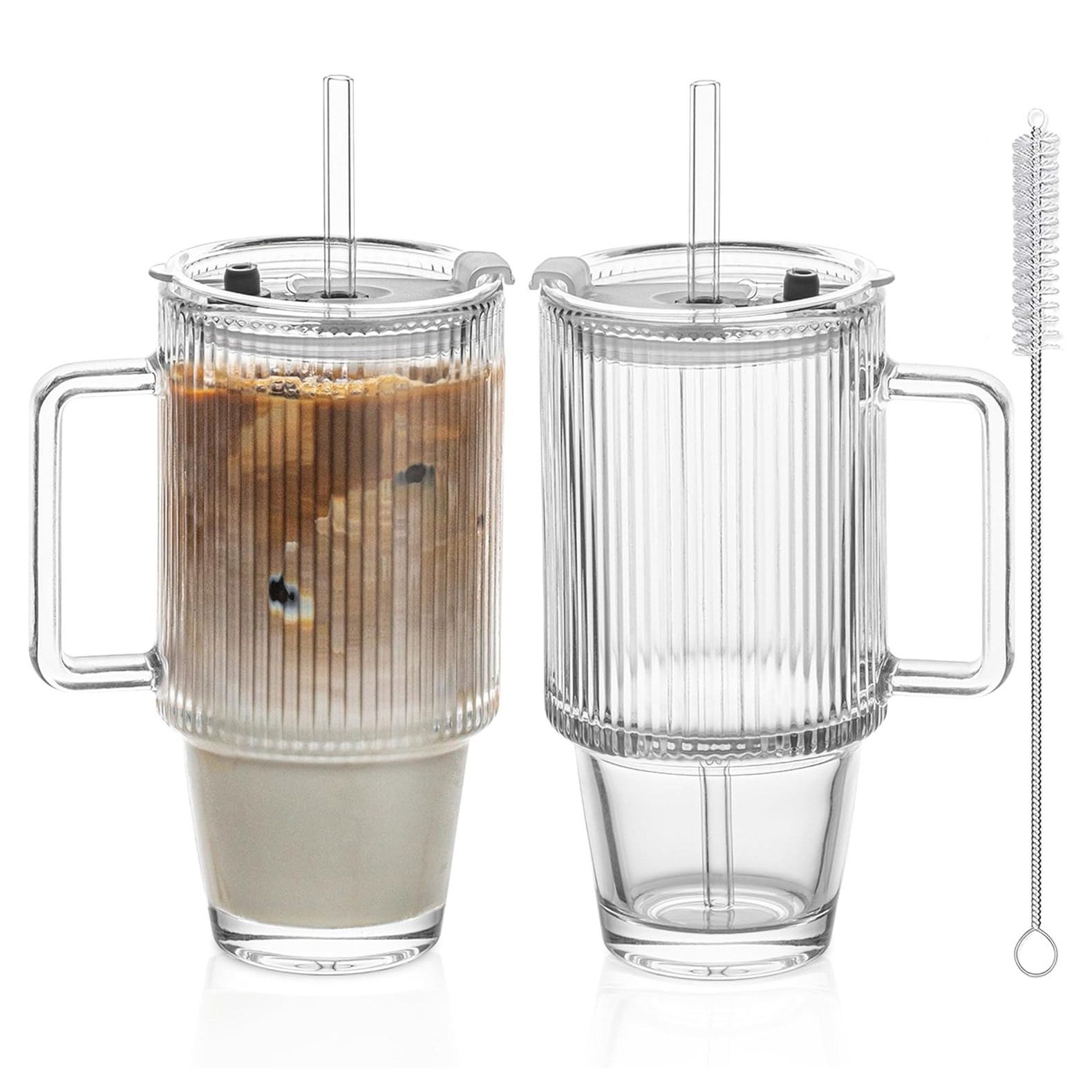
Bulk glass mugs shipped loose in a container will arrive as a box of shards. We use individual corrugated dividers and foam inserts for large‑volume hotel orders, with outer cartons designed to survive the stack weight of a full container shipment. Our packaging lab conducts drop tests before shipping, and we are familiar with Amazon’s packaging drop test requirements for clients who distribute through e‑commerce channels. Transit breakage rates for properly packed borosilicate mugs run well under one percent, a figure I track closely because it directly impacts client profitability.
Building a Reliable Procurement Partnership with Your Glass Mug Supplier
The strongest signal of a manufacturer’s reliability is not a polished Alibaba storefront but repeat orders from existing clients. When a hotel group reorders the same mug design for the fifth property, the production line has already proven its consistency. Look for a supplier that treats the first order as the start of a partnership, not a transaction. We provide sample services for clients to test mug designs in their actual dishwashing and service environments before committing, and we maintain open communication on lead times, allowing procurement teams to plan seasonal reorders around hotel renovation cycles.
One operational practice I insist on is the use of documented production logs for each batch, tracking the specific annealing furnace temperature profile, the molding machine settings, and the QC inspection results. That data becomes valuable when a hotel group opens a new property and needs to match the mug specifications from a property built two years earlier. Without that record, the second order is effectively a new product development project.
What Certifications Should Hotel Glass Mugs Have?
Hotel glass mugs must hold FDA certification for US‑based properties and LFGB for European markets, both covering food‑contact safety and heavy metal migration limits. Thermal shock resistance certification is equally important because commercial dishwashers cycle between extreme temperatures multiple times daily. A supplier that cannot produce current, third‑party test reports for all of these is a risk, no matter how attractive the price. If you are unsure which certifications apply to your destination market, share your target countries and we can confirm the exact compliance documentation required.
Can I Get Custom Shapes and Logos for My Hotel Chain?
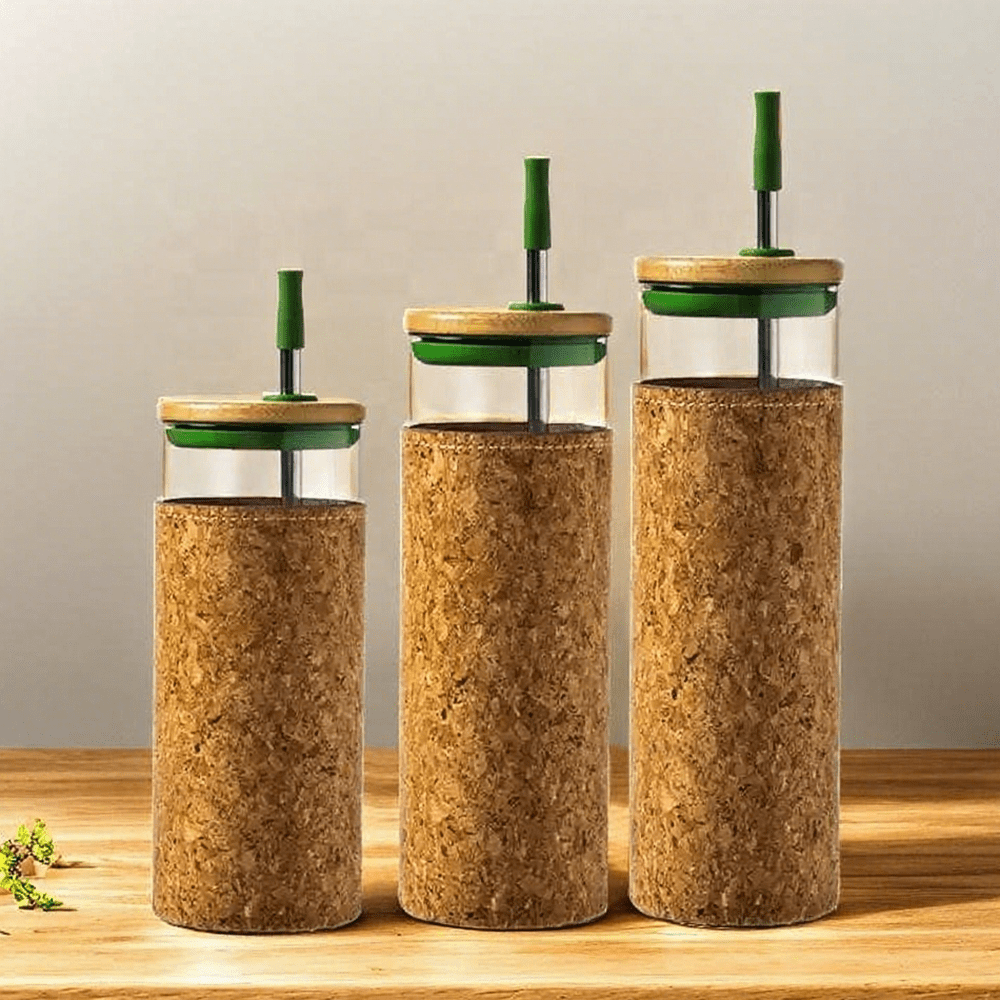
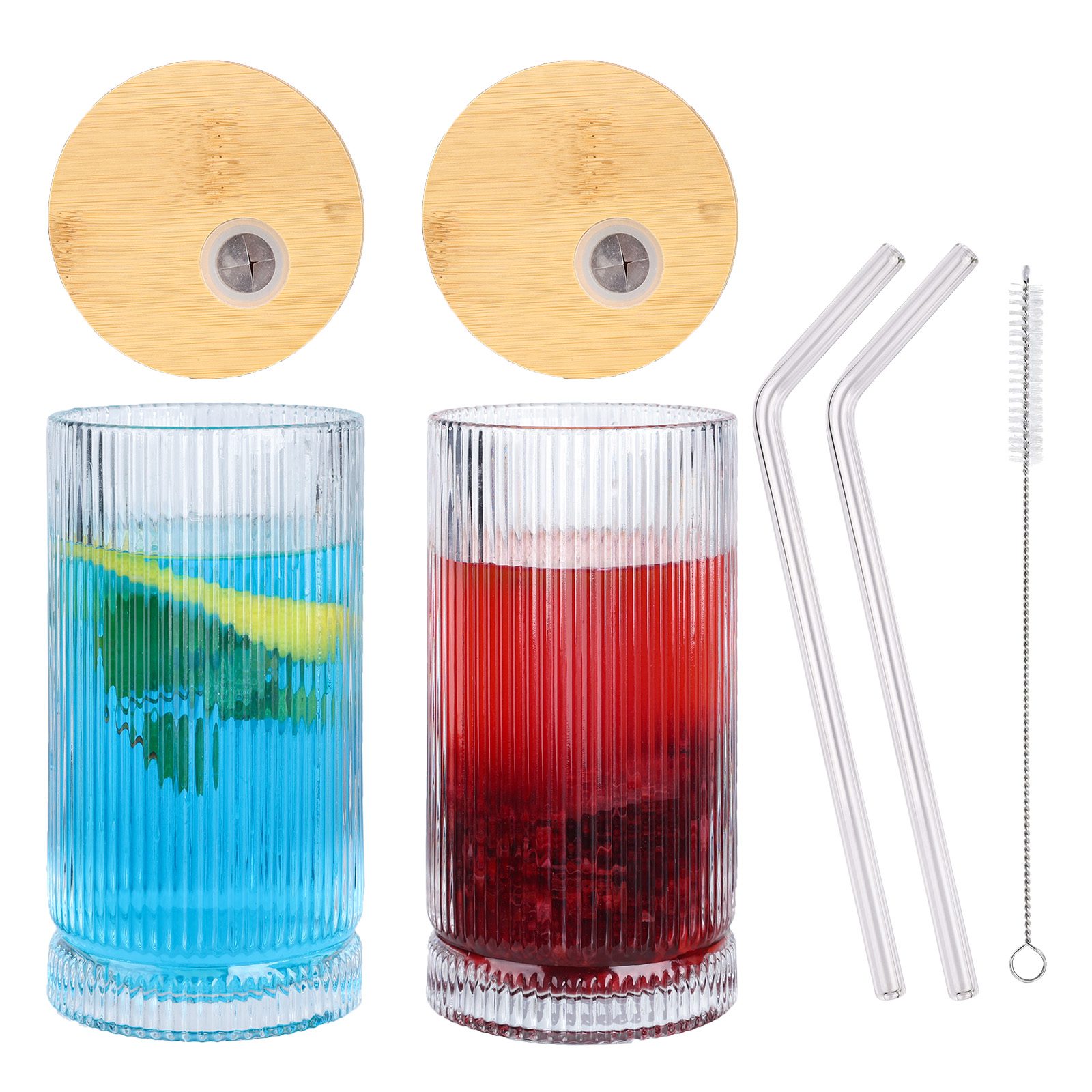
Custom shapes require a new mold, which we design and produce in‑house with a 15‑ to 25‑day lead time. Custom logos are applied through silk‑screen printing with ceramic ink or laser engraving, both of which withstand commercial dishwashing without fading. We have produced exclusive mug designs for hotel chains in Southeast Asia, Europe, and North America, often with matching botella de agua de cristals and storage canisters to create a cohesive brand set across in‑room amenities and food‑service areas.
What Is the Typical Breakage Rate for Taza de vidrio borosilicatos in Hotel Use?
Borosilicate glass mugs properly annealed and handled in commercial dishwashers with dividers break at well under two percent per year of active use. The primary cause of excess breakage is not the glass material but inadequate packing during shipping or improper dishwasher rack design. I have seen properties that switched to borosilicate after years of high soda‑lime replacement costs reduce their annual mug reorder quantity by 60 percent. The initial investment recovers quickly when replacement cycles stretch.
How Long Does Production and Shipping Take for a Bulk Order?
Standard shapes with logo printing can ship within 30 to 45 days from order confirmation, depending on volume. Custom mold projects add 15 to 25 days for design and sampling. Sea freight to major ports in North America, Europe, or the Middle East averages three to five weeks, and we coordinate with freight forwarders to provide real‑time tracking. For hotel openings with hard deadlines, we recommend placing the order at least 90 days before the required delivery date.
Do You Offer Samples Before Committing to a Large Order?
Samples are a non‑negotiable step in our process. We send pre‑production samples for custom designs and stock samples for standard shapes, allowing your procurement team to test the mug in a real hotel environment, from dishwasher performance to stacking stability. Only after you confirm that the sample meets every service and aesthetic requirement do we proceed to mass production. Send your specifications and sample request to [email protected], and we will confirm availability and timeline.
Si le interesa, consulte estos artículos relacionados:
La escasez mundial de vidrio afecta a la temporada navideña
Fábrica de cristalería integral¹: suministro directo a compradores de todo el mundo
el día de san valentín y los más vendidos durante todo el año
vasos de vidrio borosilicato de uso alimentario resistentes a explosiones