
 Spanish
  English
  Arabic
  German
 La mayoría de las cocinas tienen un problema con las especias. Los tarros se acumulan, las tapas se pierden, las etiquetas se despegan y una gama de productos que parece coherente en las estanterías de la tienda puede parecer desordenada cuando alguien la desembala en casa. Para los minoristas de artículos de cocina y las marcas de menaje del hogar, los juegos de tarros giratorios para especias resuelven un problema sencillo: mantienen los tarros organizados, accesibles y agrupados en un mismo espacio. Esto resuelve la frustración del usuario final, pero plantea un reto diferente para el comprador. Un juego giratorio no es una sola referencia (SKU). Es un conjunto de tarros, un mecanismo base, una rejilla y, a menudo, varios tipos de tapas. Abastecerse de un juego completo implica gestionar un conjunto de piezas físicas que deben llegar juntas, funcionar juntas y superar juntas la inspección de muestras. En nuestra fábrica, nos encontramos con el mismo problema cada trimestre cuando llega un nuevo lote de consultas: las especificaciones están claras sobre el papel, pero la conversación con el proveedor se desvía porque el comprador aún no sabe qué partes del juego debe cerrar primero. Este artículo explica cómo evaluar y adquirir un juego de tarros de especias de cristal con tapa giratoria, pieza por pieza, para que el primer envío llegue exactamente según lo previsto.
Los elementos fundamentales que definen un juego de tarros giratorios para especias
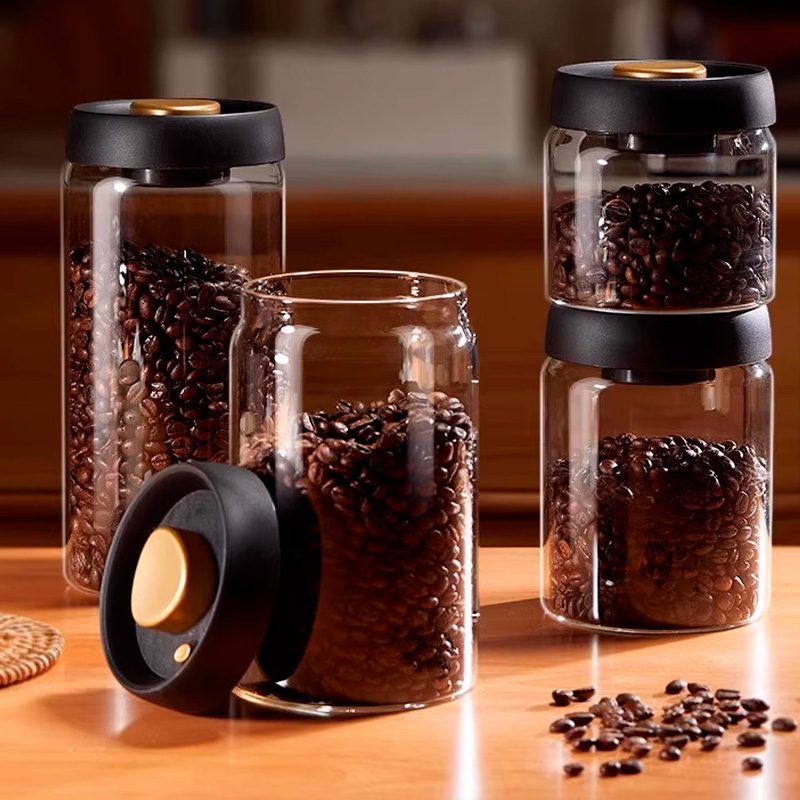
Si dejamos de lado el embalaje y la marca, cualquier juego de tarros giratorios para especias se reduce a cuatro componentes mecánicos: los tarros, las tapas, la base y el mecanismo de rotación. Esa última pieza, el mecanismo, es lo que marca la diferencia entre un juego que funciona sin ruidos durante cinco años y otro que se atasca al primer mes. La mayoría de los soportes giratorios utilizan un cojinete tipo «Lazy Susan» —un sencillo anillo de rodamientos de bolas entre dos placas de acero—, pero la calidad varía mucho. Hemos visto modelos en los que el rodamiento se oxida al cabo de unos meses en una cocina húmeda, y otros en los que la grasa se filtra hasta el fondo de los tarros. Eso no es un problema de los tarros. Es un problema de las especificaciones del mecanismo, y es algo que puedes indicar en tu pedido exigiendo rodamientos de acero inoxidable sellados y aptos para la exposición a la humedad.
En el caso de los tarros, el material por defecto en los segmentos de gama media y alta es el vidrio borosilicato. El vidrio sodocálcico estándar es más barato, pero la diferencia en cuanto a resistencia al choque térmico no es algo en lo que se deba transigir si tu mercado objetivo incluye regiones en las que los consumidores refrigeran las especias o lavan los tarros con agua caliente. Un tarro de borosilicato soporta el cambio de frío a calor sin que se produzcan microfisuras. El rango de capacidad que solemos encontrar en los juegos de tarros para especias va de los 80 ml a los 200 ml, siendo los más habituales los tarros de 120 ml en juegos de doce o dieciséis unidades. La base, a menudo fabricada en melamina, acero inoxidable o madera, aumenta el peso total. Esto influye en los gastos de envío, por lo que conviene comparar el impacto en el coste por juego de una base de madera frente a una de material compuesto ligero, especialmente si se importa por transporte marítimo.
| Componente | Materiales habituales | Datos técnicos clave que hay que confirmar |
|---|---|---|
| Tarros | Vidrio de borosilicato, vidrio de cal y sosa | Capacidad (80-200 ml), rango de choque térmico, transparencia |
| Tapas | Acero inoxidable, bambú, plástico PP con junta de silicona | Material de la junta de estanqueidad, tolerancia de la rosca, compatibilidad con el lavavajillas |
| Base/Soporte | Melamina, acero inoxidable, madera de acacia | Peso, durabilidad del acabado, resistencia a la humedad |
| Mecanismo de rotación | Rodamiento de bolas (de acero inoxidable o de acero al carbono) | Sellado o sin sellar, resistencia a la oxidación, capacidad de carga |
Decisiones sobre la personalización de los frascos que determinan el producto en su conjunto
s)
Una vez establecida la configuración básica, la conversación con la fábrica pasa a centrarse en los elementos que hacen que el conjunto sea único. La personalización del cuerpo del tarro no se limita a imprimir un logotipo. La decisión que tiene mayor repercusión en las fases posteriores es si se utiliza un molde ya existente o se invierte en un molde a medida, ya que esa única elección determina el plazo de entrega, la cantidad mínima de pedido y el coste unitario de cada tarro del juego.
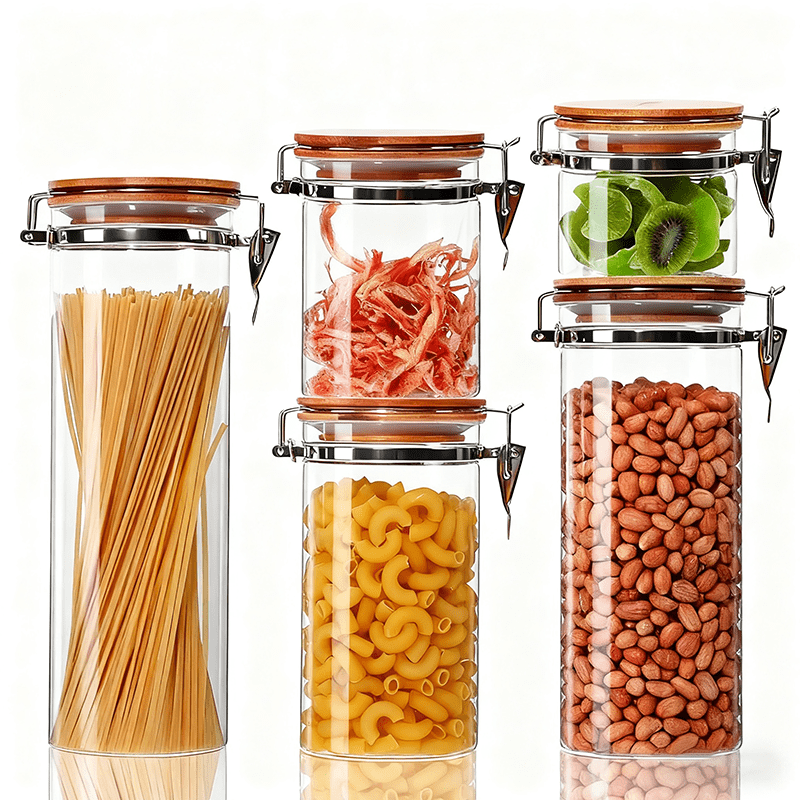
En nuestra producción, ofrecemos tanto la opción OEM como la ODM. Una marca que opte por la ODM puede elegir entre formas de tarros de probada eficacia —de paredes rectas, de fondo redondo, cuadradas— y personalizar el material de la tapa, el color y el logotipo, ya sea serigrafiado o grabado con láser. El plazo de entrega de un pedido ODM con 120 moldes ya existentes en nuestra biblioteca suele ser más corto, ya que el molde ya está montado en una máquina y ha producido miles de piezas. El desarrollo de un molde a medida, por el contrario, añade entre 15 y 25 días laborables para la validación del diseño y la realización de muestras de prueba, y el coste del molde en sí depende de la complejidad de la forma y del número de cavidades por ciclo. Cuando un comprador desea crear un juego completo de tarros para especias con varios tamaños, solemos recomendar mantener el mismo perfil del cuerpo en todos los tarros y variar únicamente la altura, de modo que una única familia de moldes cubra todo el juego. Esto mantiene el coste del molde dentro de unos límites razonables y permite al cliente reconocer la marca de un solo vistazo, independientemente del tarro que elija.
La elección de la tapa es otro aspecto de personalización que los compradores a veces subestiman. Un juego de especias giratorio se coloca sobre la encimera, por lo que la tapa queda a la vista, no escondida en un cajón. Una tapa de bambú transmite una sensación cálida y natural. Una tapa de acero inoxidable con acabado cepillado transmite una sensación moderna y limpia. Ambas opciones están disponibles y ambas requieren la misma comprobación técnica: la junta de sellado debe mantener su flexibilidad tras lavados repetidos, y la rosca no debe desgastarse tras unos cientos de ciclos de apertura y cierre. Lo comprobamos en muestras de preproducción realizando un recuento de ciclos sencillo, y recomiendo a los compradores que soliciten un informe de pruebas similar antes de aprobar el montaje final.
Certificaciones de calidad y seguridad del vidrio que protegen la importación

Los frascos para especias son artículos destinados al contacto con alimentos, y todos los principales mercados de importación exigen el cumplimiento de una normativa específica. En el caso de EE. UU., se trata del 21 CFR de la FDA. En el de la UE, son la LFGB y el Reglamento Marco (CE) n.º 1935/2004. No se trata de trámites opcionales. Sin los informes de ensayo correctos, un envío puede quedar retenido en aduana y los costes de demora se acumulan rápidamente. La fábrica debe poder proporcionar informes de laboratorio de terceros, emitidos por un organismo de ensayo acreditado (SGS, TÜV, Intertek), que abarquen el vidrio en sí, el recubrimiento de la tapa, el material del sello y cualquier impresión decorativa. Un conjunto completo de documentos garantiza que se cumplen los requisitos relativos a la migración de metales pesados (plomo, cadmio), los límites de migración global y la migración específica de cualquier sustancia procedente de las piezas de silicona o plástico.
La lixiviación de metales pesados es la prueba de la que más oyen hablar los compradores. El vidrio en sí, si está correctamente formulado, rara vez da fallo. Los puntos de riesgo son el recubrimiento de la tapa y las decoraciones de color. Cuando un tarro tiene un logotipo pintado o el cuerpo de vidrio tintado, los pigmentos deben someterse a pruebas por separado, ya que el proceso de curado a alta temperatura puede alterar el comportamiento de migración. He visto cómo un tarro que, por lo demás, cumplía con la normativa, no superaba el informe LFGB porque un único lote de color se alteró en el horno. Una fábrica responsable analiza no solo el vidrio base, sino también todas las variantes de color que formarán parte del conjunto final. Solicita que el informe de pruebas incluya ese alcance, y no solo un certificado genérico del vidrio.
La BSCI y la ISO 9001 no son normas de seguridad de los productos. Son normas de auditoría de fábricas y, para un comprador que no pueda visitar la planta en persona, sirven como indicador de la disciplina de la dirección. Una fábrica con certificación BSCI ha sido auditada en cuanto a condiciones laborales, seguridad y cumplimiento de la normativa medioambiental. Eso no garantiza que el vidrio sea apto para uso alimentario, pero indica que el sistema de producción está supervisado, lo que reduce la probabilidad de sustituciones de materiales no documentadas. En nuestras propias instalaciones, contamos con la certificación ISO 9001 para el sistema de gestión de la calidad y la complementamos con controles diarios en línea del recocido y la tolerancia dimensional, ya que incluso una variación de 0,3 mm en el diámetro de la boca del frasco puede provocar que la tapa no enrosque correctamente o no selle.
Ingeniería de embalaje para un conjunto de varias piezas
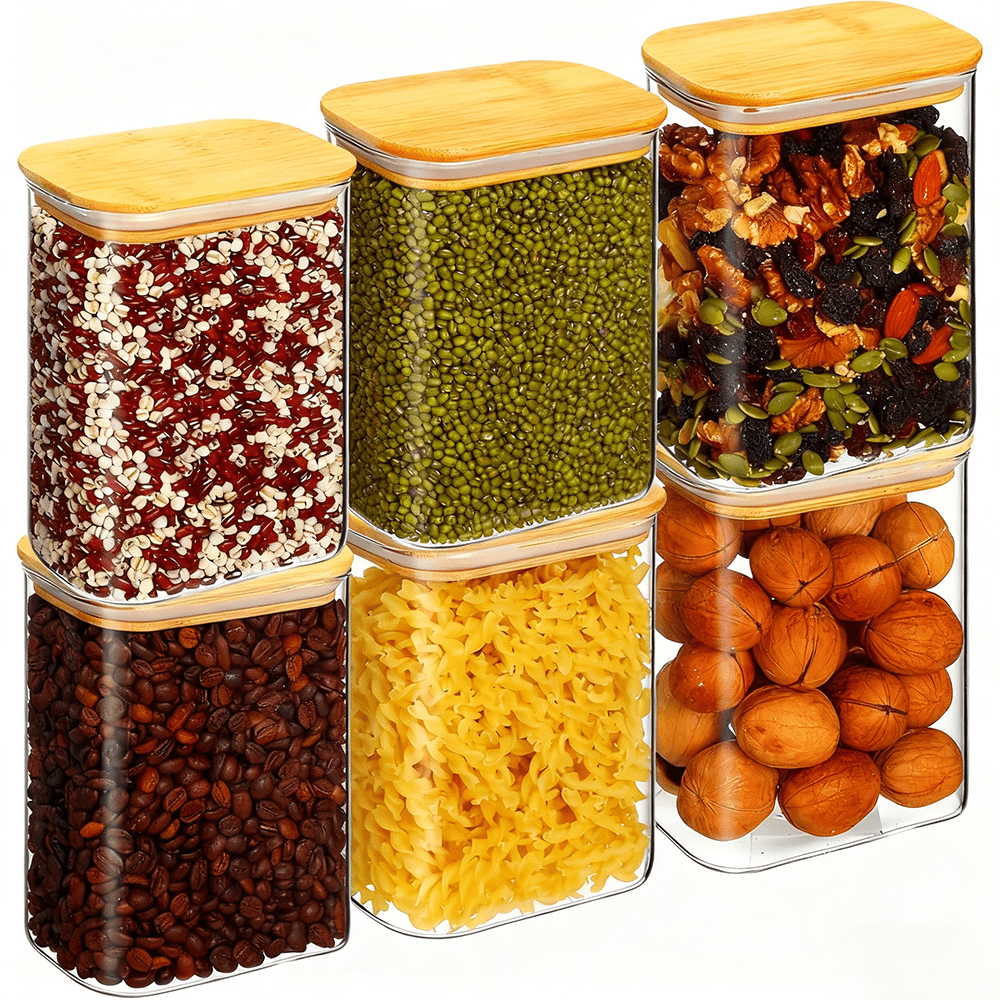
El embalaje de un juego de tarros giratorios para especias debe resolver tres problemas a la vez: proteger tarro de cristalprotejan contra los golpes, eviten que la base giratoria raye los frascos o se raye a sí misma durante el transporte, y ofrezcan un aspecto listo para la venta al por menor cuando el cliente abra la caja. Una caja exterior estándar con separadores de cartón ondulado es suficiente si el conjunto se vende por Internet y se envía desde el almacén del minorista. En el caso de las tiendas físicas, una caja de regalo impresa en color con una bandeja interior troquelada aumenta el coste, pero incrementa el valor percibido lo suficiente como para que muchos importadores la elijan para los mercados de la UE y Norteamérica. La capa adicional de embalaje debe superar igualmente una prueba de caída, ya que el vidrio no perdona un acolchado deficiente.
La norma de ensayo de caída que seguimos para un juego de tarros de especias es la ISTA 1A, que simula el manejo al que se ve sometido un paquete individual en la red de una empresa de transporte. El juego se deja caer diez veces desde una altura determinada en función de su peso. Si se rompe un tarro o se atasca el mecanismo de rotación, el embalaje no supera la prueba y debe rediseñarse. Merece la pena solicitar el vídeo de la prueba de caída de la fábrica, y no solo el informe, ya que un vídeo muestra exactamente dónde absorbe el impacto el paquete y si el fallo se ha eludido probando la orientación más favorable. Para los juegos destinados a Amazon, el listón está más alto: el embalaje debe superar el protocolo de pruebas SIOC (Ships in Own Container) de Amazon, que añade pruebas de vibración y compresión a la secuencia de caídas. Una fábrica que haya producido para vendedores de Amazon debería comprender los requisitos del SIOC sin necesidad de una explicación detallada.
El transporte marítimo y aéreo a distintas zonas influye en la rentabilidad del embalaje. Una base de madera añade peso, por lo que la diferencia de coste entre una base ligera de melamina y una más pesada de madera de acacia puede acentuarse al llenar un contenedor. Si tu margen es ajustado, te sugiero que compares el coste total por juego con ambas opciones de base antes de dar por finalizado el diseño.
Preguntas sobre la cadena de suministro y la integridad del producto que surgen durante el proceso de abastecimiento
¿Influye más la calidad del cristal en la frescura de las especias que el sellado de la tapa?
Sí, pero de forma indirecta. El principal factor que garantiza la frescura es el sellado de la tapa: una junta de silicona que mantiene un cierre hermético y evita que la humedad y el oxígeno deterioren la especia. El propio material de cristal desempeña un papel secundario. El cristal de borosilicato es no poroso y no desprende olores ni sabores, por lo que, cuando se lava y se vuelve a llenar un tarro, no se transfiere ningún olor residual a la siguiente especia. Esto es importante para las marcas cuyos clientes alternan regularmente entre el comino y la canela. Un vidrio menos estable térmicamente que adquiera microfisuras con el tiempo puede acumular residuos en esas fisuras, pero un tarro de borosilicato adecuado elimina por completo ese riesgo.
¿Merece la pena invertir en un molde a medida para un solo juego de tarros de especias?
Depende del volumen y de la estrategia de marca. Si tienes previsto vender un contenedor completo a modo de prueba, utilizar un molde ya existente es la opción que conlleva menos riesgo. El coste de un molde a medida —que incluye el diseño, el mecanizado CNC y las pruebas de producción— se amortiza con la venta de muchas unidades. Para una marca a largo plazo con una línea de productos de cocina cohesionada, el molde a medida te ofrece una forma de tarro única que a los competidores les resulta difícil de copiar rápidamente, y esa singularidad forma parte de lo que construye la marca. He trabajado con compradores que empezaron con un molde ya existente, lograron afianzarse en el mercado y, posteriormente, encargaron un molde a medida para la producción del segundo año. Ese enfoque por fases equilibra la inversión inicial con el desarrollo de la marca.
¿Cómo puedo asegurarme de que el mecanismo giratorio no falle al cabo de unos meses?
Solicita las especificaciones del rodamiento, no solo una descripción. Un rodamiento sellado de acero inoxidable 304 con un retenedor de nailon durará mucho más que un rodamiento de acero al carbono sin sellar en un entorno de cocina. La diferencia de coste por juego es pequeña, a menudo inferior a $0,15, pero la tasa de devoluciones debida a un atascamiento o a la oxidación de una rejilla giratoria puede compensar esa diferencia con creces. Durante el muestreo previo a la producción, haz girar manualmente la rejilla cargada durante 500 ciclos y toma nota de cualquier cambio en la suavidad de giro. Si el rodamiento se nota arenoso tras 200 ciclos, es que no está sellado adecuadamente.
¿Cuál es el plazo de entrega realista para un pedido de un juego completo de tarros para especias a medida?
Desde el pago del anticipo hasta la entrega FOB, un pedido totalmente personalizado que incluya un molde nuevo, la fabricación de los tarros, la adquisición de las tapas y el montaje final suele tardar entre 35 y 50 días laborables. Si el pedido utiliza un molde ya existente y tapas de stock estándar, el plazo de entrega puede reducirse a entre 25 y 30 días laborables. Las dos variables más importantes son la fabricación del molde y la impresión del embalaje, ya que ambas implican a proveedores externos con sus propios plazos. Solicita un calendario detallado que desglose cada fase —diseño del molde, muestra de prueba, aprobación de la muestra, producción en serie y embalaje— para que sepas en qué puntos se puede acortar el plazo y en cuáles no.
A la hora de elegir un juego de tarros para especias, lo fundamental se reduce a tres aspectos: que el cristal sea resistente, que el mecanismo giratorio funcione con suavidad y que la documentación de conformidad esté en regla. Si dispone de una ficha técnica o de una representación del juego que está planificando, compártala con nosotros en [email protected] y le guiaremos a través de las opciones de molde, los plazos de entrega y los costes en función del número concreto de tarros y la configuración de la base. También puede ponerse en contacto con nosotros por teléfono para una comunicación más rápida sobre el embalaje y el transporte.
Si le interesa, consulte estos artículos relacionados:
vasos de vidrio borosilicato de uso alimentario resistentes a explosiones
proveedor especializado en vasos de vidrio borosilicato de alta calidad
«Sustainable Sips 2025»: colección de vasos y tazas ecológicos seleccionados
cinco reglas de oro para encontrar proveedores excelentes guía de adquisición de productos de vidrio borosilicato
el día de san valentín y los más vendidos durante todo el año