
 Spanish
  English
  Arabic
  German
 Si has dedicado meses a desarrollar el diseño de un producto de vidrio, el temor a enviar esos archivos CAD a una fábrica y ver tu diseño bajo otra marca semanas más tarde es muy real. He dirigido las operaciones de producción en una fábrica de vidrio borosilicato durante más de diez años, y puedo asegurarte que proteger el diseño de tu producto de vidrio frente a las fábricas chinas no es, ante todo, una cuestión legal. La verdadera protección proviene de controlar el acceso a los moldes, estructurar la relación de producción de tal forma que copiar el diseño le cueste a la fábrica más de lo que gana, e implementar controles operativos que hagan que la producción no autorizada resulte técnicamente difícil. Este artículo explica esas medidas de protección desde el propio taller de producción: los controles que realmente funcionan, las lagunas que la mayoría de los compradores pasan por alto y cómo establecer una relación de fabricación en la que tu diseño siga siendo tuyo.
Por qué los contratos son solo el punto de partida
La mayoría de los compradores noveles creen que un acuerdo de confidencialidad (NDA) o un contrato de fabricación firmado protege su diseño. En la práctica, estos documentos definen tu situación jurídica, pero no impiden físicamente nada. Un contrato te da derecho a emprender acciones legales en caso de incumplimiento. No impide que un molde funcione un turno extra un sábado por la noche.
He visto cómo algunas fábricas firman un acuerdo de confidencialidad un lunes y, para el viernes, ya están fabricando un molde derivado para otro cliente. La falla nunca está en el papeleo. Está en cómo se mueve el molde en la planta de producción, quién registra su entrada y salida, y si la fábrica lleva siquiera un control de qué molde pertenece a qué cliente. Si toda tu estrategia de protección se basa en un documento firmado guardado en una carpeta, ya has aceptado un nivel de riesgo que los compradores experimentados eliminan de sus programas.
La documentación establece un marco jurídico. Los controles físicos crean una barrera. Tu diseño necesita ambos, pero son los controles físicos —el acceso a los moldes, el almacenamiento, el seguimiento y el registro de lotes— los que garantizan la protección real.
Cómo el control del moho evita la producción no autorizada
En la fabricación de vidrio, tu diseño reside en el molde. Quien controla el molde, controla el resultado final. La medida de protección más eficaz es conservar la propiedad del molde mediante un acuerdo por escrito en el que se establezca que el molde es tuyo, que lo has pagado tú y que la fábrica no puede utilizarlo para ningún otro cliente.
En nuestras instalaciones, los moldes propiedad de los clientes se almacenan en una zona específica de acceso restringido, se registra su entrada y salida por número de lote de producción y nunca se mezclan con las herramientas propiedad de la fábrica. Cada molde lleva una etiqueta de serie vinculada a una cuenta de cliente específica. Cuando comienza una tirada de producción, el responsable de producción firma la salida del molde. Al finalizar, el molde vuelve a la zona cerrada con llave y se cierra la entrada en el registro. Esto puede parecer sencillo, pero he auditado fábricas de vidrio en las que un mismo molde se utilizaba para tres clientes “exclusivos” diferentes porque nadie separaba físicamente las herramientas. La fábrica tenía contratos con los tres. Ninguno de los clientes sabía de la existencia de los demás.
Haz preguntas concretas a tu fábrica: ¿dónde se guarda mi molde cuando no está en producción? ¿Se encuentra en una zona de almacenamiento cerrada con llave o en una estantería abierta? ¿Quién tiene acceso a él y se registra cada movimiento? Si no pueden responder a estas preguntas con detalles concretos —no con garantías generales, sino con una descripción del proceso real—, tu diseño queda expuesto independientemente de lo que diga tu contrato.
Qué debe incluir la titularidad de un molde
Un contrato de propiedad de moldes adecuado debe incluir, como mínimo, el número de serie del molde, el lugar de almacenamiento, el calendario de producción autorizado y las condiciones de devolución o destrucción al finalizar el programa. Si el molde y el contrato no incluyen un número de serie, no se podrá demostrar a qué herramienta física se refiere el contrato.
¿Se puede revisar el estado de conservación del moho antes de hacer el pedido?
Puedes hacerlo, y deberías hacerlo. Pide que te muestren fotos de la zona de almacenamiento de moldes durante una videollamada —no fotos de marketing seleccionadas de antemano, sino un recorrido en directo—. Una fábrica que mantiene los moldes de los clientes organizados, etiquetados y separados físicamente está demostrando que cuenta con un sistema. Una fábrica que se muestra reticente o te muestra un batiburrillo de utillaje sin etiquetar te está mostrando exactamente cómo se va a tratar tu molde.
Estructurar la relación con el fabricante de tal forma que copiar no resulte rentable
Una fábrica que te considera un comprador ocasional con un único pedido tiene poco que perder al copiar tu diseño. Una fábrica que depende de tu volumen de pedidos continuado tiene mucho que perder. No es una cuestión de confianza, sino de economía.
Diseña tu programa de producción de tal forma que los ingresos que la fábrica obtiene de vuestra relación se multipliquen con el tiempo. Empieza con un pedido más pequeño para establecer unos parámetros de calidad y fiabilidad en las entregas. A continuación, aumenta el volumen a medida que la fábrica demuestre su consistencia. Cuando una fábrica sabe que tu cuenta representa unos ingresos estables y crecientes —por ejemplo, pedidos trimestrales de múltiples referencias con aumentos previstos—, ya no le sale a cuenta arriesgar esa fuente de ingresos por un pedido puntual. Los compradores cuyos diseños son más seguros son aquellos a los que la fábrica no puede permitirse perder, no los que tienen el contrato más largo.
Cómo los programas de múltiples referencias refuerzan tu posición
La fabricación de múltiples productos de vidrio en una misma fábrica refuerza la relación de forma estructural. Si se fabrican botellas de agua, tarros de conservación y tazas de café en la misma planta, la inversión de la fábrica en los moldes, los estándares de calidad y las especificaciones de embalaje del cliente aumenta con cada referencia. Los costes de cambio aumentan para ellos. Esta integración crea una dependencia práctica que ningún contrato de un solo producto puede igualar.
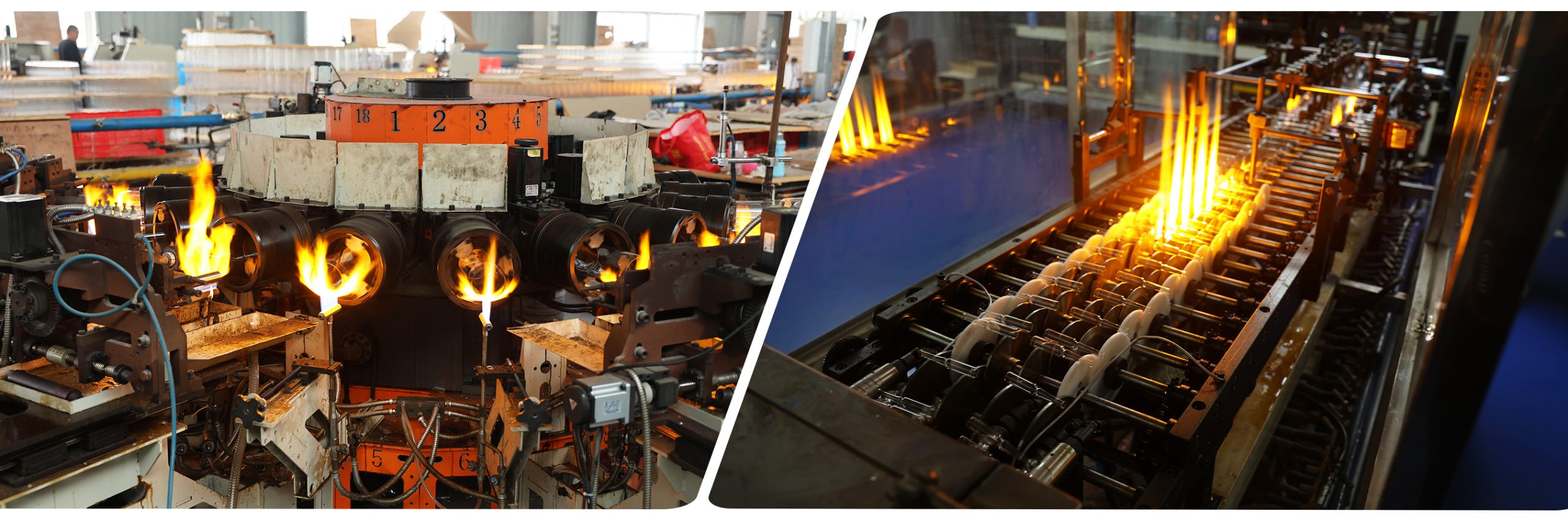
Si su programa abarca varias categorías de productos de vidrio con diferentes conjuntos de moldes y calendarios de producción, la complejidad de la gestión de los moldes aumenta, al igual que su necesidad de contar con una fábrica que disponga de un sistema de seguimiento documentado. Póngase en contacto con nosotros en [email protected] indicándonos su gama de productos y le explicaremos cómo nuestro sistema de gestión de moldes gestiona programas con múltiples diseños sin que se produzca contaminación cruzada entre las cuentas de los clientes.
Qué hay que comprobar antes de enviar los archivos de diseño
Antes de enviar por correo electrónico un archivo CAD o un modelo 3D a cualquier fábrica, comprueba tres cosas. Cada una de ellas te llevará menos de unos días. En conjunto, revelan más sobre las prácticas reales de seguridad en el diseño de una fábrica que cualquier certificación.
En primer lugar, comprueba que la fábrica haya fabricado productos de vidrio a medida con el nivel de calidad que necesitas. Pide fotos de los moldes a medida que ya hayan utilizado, no solo imágenes del producto acabado. Los productos acabados se pueden comprar y fotografiar. Las fotos de los moldes muestran la capacidad real de fabricación y demuestran que la fábrica realmente ha cortado y fabricado una forma a medida.
En segundo lugar, pregunta cómo gestiona la fábrica los archivos de diseño de los clientes. ¿Disponen de un proceso documentado para recibir, almacenar y restringir el acceso a los datos de diseño? ¿O tu archivo se encuentra en una conversación de WeChat entre tú y un comercial? La respuesta te indicará si la fábrica trata los diseños como activos que hay que proteger o como archivos adjuntos que hay que reenviar.
En tercer lugar, solicita una plantilla por escrito del acuerdo de propiedad del molde antes de enviar nada. Si la fábrica no dispone de una plantilla estándar que recoja las condiciones relativas a la propiedad, el almacenamiento y la devolución del molde, es probable que nunca haya formalizado este proceso con ningún cliente. Eso no es una línea roja en la negociación, sino una señal de alarma operativa.
Formatos de archivos de diseño y documentación técnica
Envía tu diseño en un formato que el departamento de utillaje de la fábrica pueda utilizar directamente —normalmente STEP o IGES para los modelos 3D, junto con planos 2D acotados en formato PDF—. Incluye las especificaciones sobre el espesor de las paredes, los requisitos de capacidad y cualquier objetivo de rendimiento térmico. Cuanto más completo sea su dossier técnico, menos veces será necesario reenviar su archivo internamente y más reducido será el número de personas que lo manejen.
| Capa de protección | Lo que realmente previene | Lo que no puede hacer |
|---|---|---|
| Acuerdo de confidencialidad y contrato de fabricación | Establece los derechos legales tras producirse una infracción | Detener físicamente la producción no autorizada |
| Propiedad de los moldes y seguimiento de series | Uso no autorizado de moldes y tiradas de producción | Evitar que una fábrica corte un molde similar a partir de la memoria |
| Control de acceso a los archivos de diseño | Filtraciones previas a la producción y reenvío interno | Garantizar cero copias si no existe titularidad sobre el molde |
| Relación continua con varios pedidos | Elimina el incentivo económico para poner en peligro la cuenta | Trabajar con una fábrica que no cuente con una estrategia empresarial a largo plazo |
| Documentación previa a la producción | Establece un calendario de creación verificable | Entrar en vigor sin un seguimiento coherente de su aplicación |
Qué hacer cuando te copian un diseño
Aunque se apliquen controles estrictos, las copias siguen produciéndose. Cuando descubras que el diseño de tu producto de cristal aparece bajo otra marca, lo primero que debes hacer es documentarlo, no enfrentarte a ellos.
Reúne todo lo que demuestre la cronología de tu creación: archivos de diseño fechados con historial de revisiones, muestras originales de producción, correspondencia con la fábrica que indique cuándo enviaste el diseño por primera vez, registros de pago de los moldes y tu contrato de propiedad de los moldes. El objetivo es crear un historial documental que sitúe tu diseño en una fábrica concreta en una fecha concreta, antes de que apareciera la copia. Si no tienes este historial documental organizado y a punto, no tendrás nada con lo que hacer valer tus derechos.
A continuación, diríjase directamente a la fábrica con las pruebas. En muchos casos, sobre todo cuando la fábrica valora la relación comercial, un enfoque documentado resuelve el problema. La fábrica podría retirar del mercado los productos falsificados o aceptar un acuerdo de producción en exclusiva con condiciones de compensación. Si la fábrica no se muestra dispuesta a colaborar, su documentación servirá de base para emprender acciones formales a través de los canales chinos de propiedad intelectual o de los mecanismos internacionales de reclamación comercial.
Todo el proceso de cumplimiento depende de los registros que se inician antes de que se corte el primer molde. Solo se puede exigir el cumplimiento de lo que se puede demostrar, y para ello es necesaria una documentación sistemática desde el primer día.
Preguntas frecuentes sobre la protección de los diseños de productos de cristal
¿Cuál es la forma más habitual en que se copian los diseños de cristal?
Los diseños suelen filtrarse a través de moldes compartidos o reutilizados, no a través de archivos robados. Una fábrica termina tu tirada de producción, deja el molde en el almacén y, semanas más tarde, otro cliente solicita algo similar. La fábrica ajusta ligeramente el molde existente —cambia el diámetro, modifica la base— y lo utiliza como un producto “nuevo”. El cliente original nunca se entera porque el artículo de cristal acabado tiene un aspecto lo suficientemente diferente, pero la inversión principal en el utillaje ya estaba amortizada. La titularidad del molde y el seguimiento de serie cierran esta brecha, ya que el molde nunca queda disponible para su reutilización.
¿Ofrecen realmente protección las patentes de diseño chinas?
Proporcionan una base jurídica para la aplicación de la ley, lo cual es distinto de la protección práctica. Una patente de diseño china te da legitimación para presentar una denuncia ante las autoridades administrativas o los tribunales. Pero la aplicación de la ley requiere que detectes la infracción, la documentes y emprendas acciones legales, lo que lleva tiempo, dinero y asistencia jurídica local. La patente es una herramienta, no un escudo. Muchos compradores registran sus diseños y, a continuación, aplican los controles operativos descritos anteriormente. La combinación funciona mejor que cualquiera de los dos enfoques por separado.
¿Debería evitar las fábricas que fabrican productos de vidrio similares?
No necesariamente. Una fábrica que ya produce botella de agua de cristalEntiende tu categoría de productos. Su capacidad actual permite una puesta en marcha más rápida de la producción y menos errores técnicos. El riesgo no radica en que fabriquen artículos similares, sino en que carezcan de sistemas para separar los moldes y diseños específicos de cada cliente de su producción general. Pregunta por sus prácticas de gestión de moldes y de separación de datos de los clientes. Una fábrica que fabrique productos similares pero que aplique una estricta segregación de clientes suele ser un mejor socio que otra que sea nueva en tu categoría pero desorganizada en cuanto al control del diseño.
¿Cuánto cuesta tener un molde a medida?
Los costes de los moldes para productos de vidrio borosilicato varían en función de la complejidad, el tamaño y el número de cavidades. Para un modelo estándar vaso de cristal O bien, en el caso de un tarro, el precio de un molde de una sola cavidad suele partir de varios cientos de dólares y aumenta con las configuraciones de múltiples cavidades que producen varias piezas por ciclo. El molde supone un gasto de capital único. Si se distribuye a lo largo de un programa de producción, incluso de volumen moderado, el coste por unidad se vuelve insignificante —a menudo inferior a unos pocos céntimos por pieza—. El valor de ser propietario del molde y controlar quién lo utiliza supera con creces la inversión inicial para cualquier marca que se tome en serio la protección de su línea de productos.
Si su diseño incluye formas no estándar, utillaje de múltiples cavidades o tolerancias dimensionales muy ajustadas, las especificaciones del molde influyen directamente en el rendimiento de la producción y en la consistencia de la calidad. Comparta sus requisitos de diseño con nuestro equipo de ingeniería en [email protected] y le proporcionaremos un desglose de los costes del molde basado en la geometría específica de su pieza y en sus objetivos de volumen.
Si le interesa, consulte estos artículos relacionados:
Serie de artículos de cristal de borosilicato de Jianmei
cambiar las estrategias de las marcas mundiales en materia de botellas de vidrio