
 Arabic
  English
  Spanish
  German
 نادرًا ما تكون مقبض الكوب الزجاجي مجرد مقبض. ففي خط إنتاج حيث يحدد الشكل والمادة والسعة بالفعل رمز المنتج (SKU)، فإن المقبض هو السمة الوحيدة التي تتحكم بشكل مباشر في كيفية تفاعل العميل مع الكوب يوميًا. فهي تحدد ما إذا كان الكوب يمنح إحساسًا بالأمان عند إمساكه باليد اليسرى، وما إذا كان يمكن ترتيبه بشكل منظم في رف غسالة الأطباق التجارية، وما إذا كانت القطعة النهائية ستتحمل الصدمة الحرارية لخط التعبئة الآلي. في شركة Xuzhou Jianmei Glass Products، ننتج البورسليكات أكواب زجاجية بمقابض بالنسبة للعلامات التجارية في جميع أنحاء أمريكا الشمالية وأوروبا والشرق الأوسط، فإن قرارات التصميم المتعلقة بنقطة التثبيت الوحيدة هذه هي التي تميز دائمًا بين عملية إنتاج سلسة وإعادة تصنيع مكلفة. ما تعامله معظم أدلة التوريد على أنه مجرد حاشية، يؤثر في الواقع على تكلفة القالب، ومعايير التلدين، واستغلال حجم التعبئة. تتناول هذه المقالة خيارات تصميم المقابض المحددة المتاحة من الشركات المصنعة الصينية، والقيود الإنتاجية التي تحدد التصاميم القابلة للتطبيق في زجاج البورسليكات، والاعتبارات المتعلقة بالقوالب المخصصة التي تؤثر على مهلة التسليم واقتصاديات الوحدة.
لماذا تتطلب مقابض الزجاج البورسليكاتي أدوات تصنيع مختلفة
مقابض مصنوعة من الزجاج الصودا-الكالسي كوب زجاجيتُعد هذه المواد مجالًا مألوفًا. فدرجة حرارة التشغيل المنخفضة لهذه المادة ومنحنى اللزوجة الأبطأ يجعلانها أكثر مرونة في عمليات الضغط والنفخ. أما زجاج البورسليكات، بنقطة انصهاره الأعلى ونطاق التشغيل الأضيق، فيغير قواعد الهندسة. ينتقل الزجاج من حالة قابلة للتشكيل إلى حالة صلبة بشكل أسرع، مما يؤدي إلى تقلص نطاق الوقت المتاح لتثبيت المقبض. قد يفشل التصميم الذي ينجح في كوب مقهى وزنه 450 جرامًا مرارًا وتكرارًا عند تطبيقه على نسخة من البورسليكات بنفس الشكل إذا كان المقطع العرضي للمقبض سميكًا جدًّا، لأن الحرارة المتبقية في جسم الكوب لا تستطيع الحفاظ على درجة حرارة ربط متساوية لفترة كافية حتى يندمج المقبض دون إجهاد.
وقد توصل فريق القولبة لدينا إلى هذه النتيجة في مرحلة مبكرة من مشروع لسلسلة فنادق أوروبية، حيث كان تصميم المقبض الأصلي يعتمد على مقطع عرضي بيضاوي يبلغ عرضه حوالي 14 ملم عند أقصى نقطة عرض له. وأظهرت التجارب التي أُجريت على البورسليكات وجود شقوق دقيقة عند نقطة التثبيت العلوية في أكثر من 40 في المائة من القطع التي خرجت من فرن التلدين. ومن خلال تقليص المقطع العرضي إلى 11 ملم وتسوية سطح التلامس حيث يلتقي المقبض بجسم الكوب، انخفض معدل الرفض إلى أقل من ثلاثة في المائة. أضاف هذا التعديل أقل من جرامين إلى الوزن الإجمالي للزجاج، لكنه تطلب تعديلًا في ملحق القالب، وهو ما كانت العديد من المصانع لا تقوم بتصحيحه إلا بعد إنتاج آلاف الوحدات بالفعل، لأن الأدوات الأصلية كانت قد صُنعت وفقًا لرسم المشتري بدلاً من سلوك الزجاج. هذا التمييز بين تقديم رسم تقني وتقديم رسم جاهز للإنتاج هو أكبر مصدر منفرد لتأخر المهل الزمنية الذي ألاحظه في مشاريع تخصيص المقابض.
التعامل مع أنواع الملحقات التي تتحمل الدورات الحرارية
تعد طريقة التثبيت مهمة بقدر أهمية شكل المقبض. عادةً ما تقدم الشركات الصينية المصنعة للزجاج البورسليكاتي ثلاث طرق للتثبيت، ولكل منها معادلة مختلفة بين التكلفة والمتانة، وهي معادلة لا تظهر بوضوح في العروض التوضيحية التي تُنتجها برامج التصميم بمساعدة الحاسوب (CAD).
تُنتج المقابض المسحوبة — التي تتشكل عن طريق سحب جزء من جسم الكوب نفسه — مظهرًا انسيابيًا طبيعيًا خالٍ من أي وصلات مرئية. وهي الخيار الأقوى من الناحية الهيكلية، نظرًا لعدم وجود طبقة فاصلة عند التقاء كتلتين زجاجيتين منفصلتين. لكن الجانب السلبي يكمن في الشكل الهندسي: فالمقابض المسحوبة غالبًا ما تكون على شكل حلقات بسيطة أو أشكال تشبه الأذن، مع قدرة محدودة على تشكيل منحنيات معقدة أو أسطح مسطحة للإمساك. وبالنسبة للكوب البسيط ذي الجوانب المستقيمة الذي يفضل المتانة على التفاصيل الزخرفية، غالبًا ما تكون المقابض المسحوبة هي الخيار الصحيح، كما أنها لا تضيف أي تكلفة إضافية على القالب نظرًا لأن المقبض يتشكل من نفس الجزء المجمّع الذي يتشكل منه جسم الكوب.
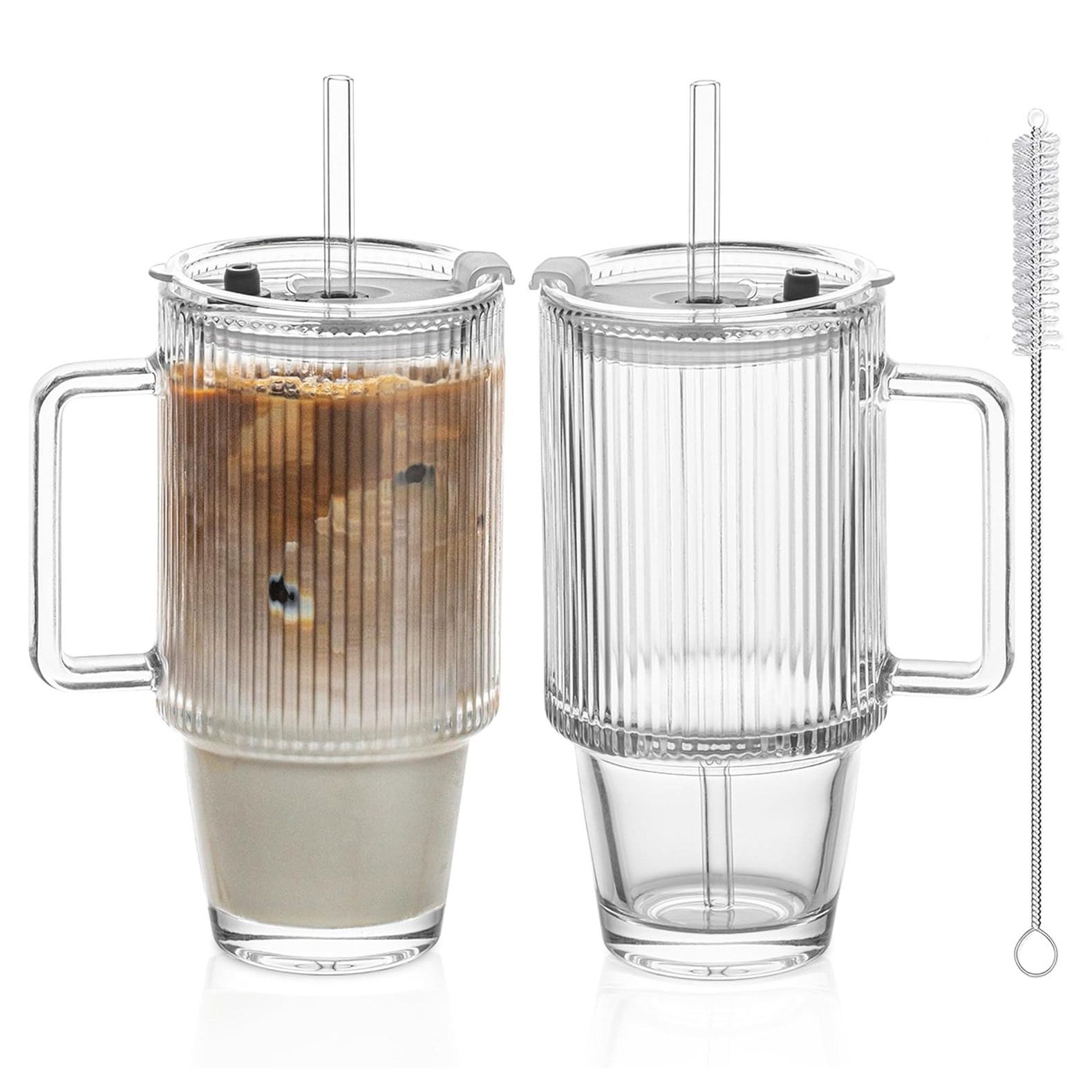
تُعد المقابض المُلحقة — حيث يتم دمج مقبض مُشكَّل بشكل منفصل بجسم الكوب عند نقطتي تلامس أو ثلاث — هي المعيار المتبع في معظم مشاريع الكؤوس المخصصة. فهي تتيح حرية أكبر بكثير في التصميم، بما في ذلك المقابض على شكل حرف D، والمقابض ذات الزوايا المربعة، والمقابض المزودة بفجوة لمسند الإبهام. تكمن مخاطر التصنيع بالكامل في خطوة الدمج. إذا وصل جسم الكوب والمقبض إلى محطة التثبيت بدرجات حرارة سطحية مختلفة، فإن خط الترابط يصبح مركزًا لتراكم الضغط، مما يؤدي إلى فشله أثناء اختبار الصدمة الحرارية، وليس أثناء فحص الجودة الأولي. تعمل خط التلدين الخاص بنا على تمرير الأكواب المصنوعة من البورسليكات عبر منحدر حراري محكوم يحافظ على القطع ضمن نطاق ضيق أثناء عملية التثبيت، ونشترط إجراء ما لا يقل عن ثلاث دورات حرارية على عينات ما قبل الإنتاج قبل الموافقة على استخدام قالب المقبض المطبق.
الخيار الثالث هو المقبض المصبوب، حيث يُسكب الزجاج المنصهر في قالب منفصل للمقبض ثم يُدمج لاحقًا مع الجسم. هذه الطريقة أقل شيوعًا في صناعة البورسليكات لأن درجة حرارة الصب المرتفعة والتصلب السريع يجعلان من الصعب الحفاظ على اتساق أبعاد المقبض. تميل سماكة المقابض المصبوبة إلى التباين بمقدار ملليمتر أو أكثر ضمن الدفعة الواحدة، ويؤدي هذا التباين إلى توزيع غير متساوٍ للضغط، مما يظهر على شكل كسر خلال دورة الغسيل الأولى التي يقوم بها العميل. لا أوصي باستخدام المقابض المصبوبة في أي كوب من البورسليكات سيتعرض لتقلبات متكررة في درجة الحرارة، بما في ذلك تقديم القهوة، أو إعادة التسخين في الميكروويف، أو الاستخدام في غسالات الأطباق التجارية.
السعة والحجم ونسب المقبض التي تؤثر على الاستخدام اليومي
قد يبدو المقبض متوازنًا على كوب سعة 300 مل، لكنه قد يبدو غير مريح على نسخة سعة 500 مل من نفس التصميم. يتغير مركز الثقل مع امتلاء الكوب، ونقطة تثبيت المقبض على جسم الكوب بالنسبة لمركز الثقل هذا هي التي تحدد ما إذا كان الكوب سيميل إلى الأمام في يد المستخدم أم لا. هذه مشكلة ميكانيكية وليست جمالية، وهي بالضبط نوع التفاصيل التي تؤدي إلى إرجاع العملاء للمنتج في حالة إغفالها.
بالنسبة للأكواب التي تتراوح سعتها بين 300 و400 ملليلتر، فإن المقبض الذي يبلغ ارتفاع الحلقة الداخلية فيه من 55 إلى 65 ملليمترًا، ويبلغ طول نقطة التثبيت حوالي 45 ملليمترًا، يوفر مساحة كافية لإدخال إصبعين لشخص بالغ مع الحفاظ على الكوب في وضع عمودي أثناء السكب. وعند الانتقال إلى الأحجام الأكبر، في نطاق 500 إلى 600 ملليلتر، يتم رفع نقطة تثبيت المقبض لأعلى بمقدار 15 ملليمترًا تقريبًا لتعويض الحمل السائل الأكبر، وعادةً ما يتسع الجزء الداخلي للحلقة إلى 70 ملليمترًا أو أكثر لاستيعاب قبضة من ثلاثة أصابع. أما الأكواب في فئة 750 ملليلتر وما فوق، والتي تزداد شعبيتها في صالات البيرة والمقاهي المتخصصة، فتعمل بشكل أفضل دائمًا تقريبًا مع مقبض أقل ارتفاعًا وأوسع نطاقًا يضع الوزن أقرب إلى راحة اليد بدلًا من مفاصل الأصابع. لقد أنتجنا العديد من الأكواب المصنوعة من البورسليكات بسعة 1000 ملليلتر لسلسلة مصانع جعة حرفية في أمريكا الشمالية، واستقر فريق التصميم لديهم على مقبض عريض على شكل حرف D مع منحنى سفلي مسطح بعد أن أظهرت الاختبارات أن الحلقة البيضاوية القياسية تسبب إجهادًا في المعصم أثناء جلسات الشرب الطويلة.
يُعد سمك جدار المقبض نفسه متغيرًا آخر يميز العلامات التجارية المستعدة للاستثمار في المتانة عن تلك التي تركز على خفض التكلفة الإجمالية. فالمقطع العرضي للمقبض المصنوع من زجاج البورسليكات الذي يقل سمكه عن 8 ملم سينثني بشكل ملحوظ تحت الحمل، مما يخلق انطباعًا بالهشاشة حتى لو لم ينكسر الزجاج فعليًّا. ونحن نحدد الحد الأدنى بـ 10 ملم لأي مقبض يتم إمساكه باليد بأكملها، و12 ملم لمقابض أكواب البيرة التي تحمل حمولة تبلغ لترًا واحدًا أو أكثر. يضيف الزجاج الإضافي ما يقارب ثلاثة إلى خمسة جرامات لكل كوب، مما يُترجم إلى زيادة هامشية في وزن الشحن وتحسين ملموس في تجربة اللمس التي يشعر بها العميل.
منطق القوالب المخصصة للأكواب ذات المقابض
عندما يطلب المشتري شكلاً مخصصاً للمقبض، تتجه المحادثة حتماً إلى مسألة الاستثمار في القوالب. يتراوح سعر القالب المخصص الواحد لكوب من البورسليكات المزود بمقبض عادةً بين ألفي وخمسة آلاف دولار، اعتماداً على ما إذا كان المقبض مصبوباً أم مُلصقاً، وعدد تجاويف القالب، والتشطيب السطحي المطلوب. تتطلب تصميمات المقابض الملصقة مجموعتين من القوالب: واحدة للجسم وأخرى للمقبض، وغالبًا ما يكون قالب المقبض هو الأكثر تعقيدًا بين الاثنين لأن خط الفصل يجب أن يتبع مسارًا منحنيًا يتيح إخراج القطعة بشكل نظيف دون إتلاف سطح المقبض.
تتغير حسابات استهلاك القالب بناءً على حجم الطلب، وغالبًا ما يقلل المشترون من تقدير السرعة التي تنخفض بها تكلفة الوحدة بمجرد توزيع تكلفة القالب على دورة الإنتاج. وعادةً ما ندرج تكلفة القالب كبند منفصل في عرض الأسعار الخاص بالطلب الأول، مع احتفاظ المشتري بملكيته، بحيث لا يعكس سعر الوحدة في الدورات اللاحقة سوى تكاليف الزجاج والعمالة والتشطيب. بالنسبة للطلبات التي تتجاوز خمسين ألف وحدة، يضيف استهلاك القالب أقل من عشرة سنتات للقطعة الواحدة إلى التكلفة الإجمالية، وهو مبلغ لا يكاد يُذكر مقارنةً بزيادة سعر التجزئة التي يحققها شكل المقبض المخصص. إن العامل الأكثر أهمية في تحديد التكلفة هو في الواقع مدة دورة الإنتاج، وليس فولاذ القالب. تضيف المقبض المعقد المزود بمسند للإبهام وثلاث نقاط تلامس ما يقارب ثماني إلى عشر ثوانٍ إلى دورة التشكيل مقارنةً بحلقة سحب بسيطة، ويتراكم هذا الوقت عبر طلب مكون من مائة ألف وحدة ليصبح ساعات تشغيل إضافية للآلة، والتي تقوم بعض المصانع بإدراجها ضمن سعر الوحدة بدلاً من الإشارة إليها كرسوم منفصلة.
نوصي المشترين بطلب إجراء محاكاة لتدفق المادة داخل القالب قبل قطع الفولاذ. تعمل هذه المحاكاة على نمذجة كيفية ملء الزجاج البورسليكاتي لتجويف القالب، وتوقع الأماكن التي ستتشكل فيها جيوب الهواء وخطوط التماس وتركيزات الإجهاد. وتتيح النتائج لمهندس الأدوات تعديل مواقع فتحات الصب وفتحات التهوية قبل تصنيع القالب، مما يتجنب عملية التجربة والخطأ المتكررة التي قد تضيف أسابيع إلى مرحلة أخذ العينات. يقوم فريق الأدوات الداخلي لدينا بإجراء هذه المحاكاة على كل تصميم جديد للمقبض، ونقوم بمشاركة النتائج مع المشتري كجزء من حزمة الموافقة قبل الإنتاج، حتى لا يتفاجأ أحد بالعينة الأولى.
خيارات التصميم التي تُبسط خطوط المنتجات متعددة وحدات التخزين (SKU)
تُعد المقابض من أكثر العوامل فعالية في إنتاج وحدات تخزين متعددة (SKUs) من قالب واحد لجسم الكوب. يمكن للعلامة التجارية أن تطلب نفس هيكل الكوب المصنوع من البورسليكات بسعة 400 ملليلتر مع مقبض على شكل حرف C لخط المشروبات الساخنة ومقبض مربع على شكل حرف D لخط البيرة، وتقتصر التكلفة الإضافية للأدوات على ملحق قالب المقبض بدلاً من مجموعة جديدة تمامًا من قوالب الهيكل. لدينا العديد من العملاء الذين يستخدمون هذه الاستراتيجية للحفاظ على مظهر متماسك للعلامة التجارية عبر خمسة أو ستة أنواع مختلفة من المقابض، حيث يتم إنتاجها جميعًا من نفس خط الإنتاج مع تغييرات طفيفة في الأدوات بين الدفعات.
يكمن القيد في هندسة نقطة التثبيت. يجب أن يتضمن قالب جسم الكوب منطقة تثبيت مسطحة أو غائرة تسمح بتثبيت قوالب المقابض المختلفة بشكل دقيق. فإذا صُمم الجسم بسطح منحني بشكل حاد في موقع التثبيت، فسيحتاج كل نموذج من المقابض إلى سطح تلامس مخصص ومطابق، مما يتعارض مع الغرض من استخدام قالب جسم مشترك. توصيتنا للعلامات التجارية التي تنتج خطوطًا متعددة من وحدات التخزين (SKU) هي تصميم جسم الكوب بحيث يحتوي على منطقة مسطحة عمودية يبلغ ارتفاعها 20 ملم على الأقل بالقرب من الحافة، حيث يمكن دمج أي نوع من أنواع المقابض دون الحاجة إلى تعديل قالب الجسم. وهذا يضيف قيدًا تصميميًا بسيطًا، لكنه يؤتي ثماره من خلال المرونة الإنتاجية التي يوفرها لاحقًا.
يُعد اللون والتشطيب من العوامل الأخرى التي تميز أنواع المقابض المختلفة دون الحاجة إلى تغيير القوالب. يمكن صبغ مقابض الزجاج البورسليكاتي باللون الكهرماني أو الرمادي الداكن أو الأزرق الكوبالت عن طريق إضافة أكاسيد معدنية إلى خليط الزجاج، مما ينتج عنه كوب ذو لونين يبدو كمنتج فاخر دون تكلفة إضافية للقالب. على سبيل المثال، يحظى الكوب الشفاف ذو المقبض الكهرماني بإقبال مستمر من قبل العديد من عملائنا الأوروبيين في قطاع التجزئة، الذين يروجون له كإكسسوار موسمي لتناول القهوة في الخريف. الملاحظة الوحيدة الجديرة بالذكر فيما يتعلق بالإنتاج هي أن المقابض الملونة والأجسام الشفافة يجب أن تخضع لعملية تلدين منسقة لأن الزجاج الملون يمتص الحرارة ويطلقها بمعدل يختلف قليلاً. إذا تم تلدينهما وفقًا لجداول تسخين مختلفة، فإن عدم التوافق هذا سيؤدي إلى انفصال المقبض أثناء اختبار الصدمة الحرارية في نهاية خط الإنتاج.
ما يجب على المشترين التأكد منه بشأن متانة المقابض قبل الطلب
بغض النظر عن اختيار التصميم، هناك أربعة اختبارات خاصة بالمقبض يجب أن تكون جزءًا من أي عملية اعتماد قبل الإنتاج. ويكشف اختبار الصدمة الحرارية — الذي يتم فيه تعريض الكوب لدورات بين الماء المغلي والماء المثلج خمس مرات على الأقل — عما إذا كان خط الترابط بين المقبض وجسم الكوب يحتوي على أي تركز للإجهاد قد يتطور إلى شق. يُطبق اختبار سحب المقبض حملًا ثابتًا لا يقل عن 15 كيلوغرامًا على المقبض مع تثبيت جسم الكوب في مكانه. بالنسبة لكوب سعة لتر مملوء بالكامل، يكون الحمل الفعلي أثناء الاستخدام أقل بكثير، لكن عتبة الـ 15 كيلوغرامًا تكشف عن عيوب التصنيع التي قد لا تظهر في اختبار أقل شدة. يحاكي اختبار الصدم في غسالة الأطباق اهتزاز الكوب ضد أسنان الرف والأغراض المجاورة عبر عدة مئات من الدورات. ستتكسر المقابض ذات الزوايا الداخلية الحادة أو نقاط التثبيت الرقيقة في هذه البيئة حتى لو اجتازت الاختبارات الثابتة. وأخيرًا، يتحقق اختبار التكديس من أن المقبض لا يمنع الكوب من التداخل مع الكؤوس الأخرى بطريقة تخلق حملًا نقطيًّا على السطح الزجاجي المنحني. وتُعد المقابض التي تبرز إلى ما وراء القطر الأقصى للكوب السبب الأكثر شيوعًا لفشل التكديس، وهي تكاد تكون دائمًا نتيجة لمراجعة تصميمية أعطت الأولوية للمظهر على حساب الجوانب اللوجستية.
التغليف هو العامل الآخر الذي تؤثر عليه هندسة المقبض بشكل مباشر. فقد يتطلب الكوب ذو المقبض على شكل حرف D العريض صندوقًا أكبر حجمًا مقارنةً بالكوب ذي المقبض الحلقي الضيق، ويؤدي هذا الاختلاف في أبعاد الصناديق، عند تجميعها في حمولة واحدة، إلى تباين كبير في تكاليف الشحن. نقوم بإجراء محاكاة للتغليف لكل تصميم جديد للمقبض، ونزود المشتري بمعدل الاستفادة المتوقع من الكرتون قبل بدء الإنتاج، لأن تعديل زاوية المقبض بثلاث درجات في مرحلة صب القالب أرخص بكثير من إعادة تصميم التغليف لمنتج موجود سبق أن تم تخليصه جمركياً.
أسئلة شائعة حول الأكواب الزجاجية ذات المقابض
كم تبلغ تكلفة قالب مقبض مصنوع حسب الطلب للزجاج البورسليكاتي؟
عادةً ما تتراوح تكلفة القالب ذي التجويف الواحد للمقبض المخصص بين ألفي وخمسة آلاف دولار، حيث يمثل قالب المقبض نفسه الجزء الأصغر من التكلفة إذا كان من الممكن إعادة استخدام قالب جسم الكوب. ولا تتطلب المقابض المسحوبة أي قالب منفصل للمقبض، لذا فهي الخيار الأكثر فعالية من حيث التكلفة للأشكال المخصصة في ظل ميزانية محدودة. أما قوالب المقابض المطبقة ذات الأشكال الهندسية المعقدة، مثل مساند الإبهام أو نقاط التثبيت المتعددة، فتقع في الطرف الأعلى من هذا النطاق السعري.
هل يمكنني طلب إنتاج تجريبي بكميات صغيرة قبل الالتزام بطلب إنتاج كامل؟
نعم، ونحن نوصي بذلك. تقدم معظم الشركات المصنعة، بما في ذلك شركتنا، دفعة عينات ما قبل الإنتاج تتراوح بين 50 و200 قطعة بعد الانتهاء من صنع القالب. تتيح دفعة العينات هذه للمشتري فحص الكوب، وإخضاعه لاختبارات الصدمة الحرارية وغسالة الأطباق الخاصة به، والتأكد من ملمس المقبض قبل بدء دفعة الإنتاج الرئيسية. تضيف هذه الدفعة التجريبية ما يقارب أسبوعين إلى ثلاثة أسابيع إلى الجدول الزمني، لكنها تكشف عن مشكلات في تصميم المقبض التي لا تظهر في العروض التوضيحية التي يتم إنشاؤها باستخدام برامج CAD.
ما هو شكل المقبض الأنسب للمستخدمين الذين يستخدمون اليد اليسرى؟
تُعد تصميمات المقابض المتماثلة — التي عادةً ما تكون على شكل حرف D أو حلقات مستديرة — مناسبةً للاستخدام بكلتا اليدين (اليسرى واليمنى) على حد سواء، لأن المقبض لا يفرض اتجاهًا معينًا للإبهام. أما التصميمات التي تسبب مشاكل في تحديد اليد المفضلة فهي تلك التي تحتوي على مسند بارز للإبهام أو توسع غير متماثل يوجه اليد نحو جانب واحد. وبالنسبة للعلامات التجارية التي لا يمكنها ضمان أن جميع المستخدمين النهائيين سيكونون من مستخدمي اليد اليمنى، فإن المقبض المتماثل هو الخيار الأكثر أمانًا ولا يتطلب أي استثمار إضافي في الأدوات.
هل المقبض الأثقل يجعل الكوب يبدو أكثر فخامة أم أنه يزيد من تكلفة شحنه فحسب؟
يعتمد الأمر على السياق. فالمقبض الأكثر سمكًا ذو المقطع العرضي الصلب يعطي انطباعًا بالجودة، لا سيما في قطاع الضيافة حيث يتم التعامل مع الأكواب بشكل متكرر وتتعرض لمعاملة قاسية. ولكن إذا تجاوز الوزن الإجمالي للكوب 500 جرام، فإن الزيادة في تكلفة الشحن الجوي والبحري تبدأ في التفوق على الميزة الحسية. وقد وجدنا أن وزن المقبض الذي يتراوح بين 30 و50 جرامًا لكوب سعة 400 ملليلتر يحقق التوازن المناسب بين الانطباع بالصلابة وتكلفة الشحن. بالنسبة للعلامات التجارية التي تبيع عبر قنوات التجارة الإلكترونية حيث يُطبق التسعير على أساس الوزن الحجمي، فإن هذا النطاق لوزن المقبض يستحق المتابعة بعناية لأن كل عشرة جرامات إضافية من الزجاج يمكن أن تضيف عشرين جرامًا إلى وزن العبوة بمجرد تضمين الحشوات الواقية.
ماذا لو كان تصميمي يحتوي على مقبض وغطاء سيليكوني أو غطاء خشبي؟
تتطلب الأكواب متعددة المكونات تنسيقًا بين نقطة تثبيت المقبض والميزات الأخرى. فعلى سبيل المثال، يضيف الغطاء الخشبي المزود بحشية سيليكون كتلة حرارية تؤثر على معدل تبريد الكوب أثناء عملية التلدين، ويجب فحص نقطة تثبيت المقبض المجاورة للغطاء للتأكد من عدم وجود أي إجهاد متبقي. لقد أنتجنا أكوابًا من البورسليكات مزودة بمقابض وأغطية خشبية وأكمام سيليكون كوحدة تخزين واحدة مجمعة (SKU) لعميل تجزئة متميز، وكان مفتاح النجاح في ذلك هو إخضاع التجميع الكامل لبروتوكول الاختبار الكامل بدلاً من اختبار كل مكون على حدة. يمكن أن تؤدي الاختلافات الطفيفة في التمدد الحراري بين الزجاج والخشب والسيليكون إلى مشكلة في التوافق لا تظهر إلا بعد عدة دورات استخدام. قم بمشاركة المواصفات الكاملة للمنتج المُجمَّع مع الشركة المصنعة في وقت مبكر، إلى جانب حجم الطلب المتوقع وتاريخ التسليم المستهدف، للتأكد من التوافق بين جميع المواد. تواصل مع فريقنا عبر البريد الإلكتروني [email protected] لمناقشة تصميم مقبض الكوب الخاص بك والحصول على محاكاة تدفق القالب قبل بدء تصنيع القوالب.
إذا كنت مهتماً، اطلع على هذه المقالات ذات الصلة:
زجاج البورسليكات مقابل زجاج البورسليكات والزجاج العاديزجاج الجير الصودا
مورد متخصص في أكواب الزجاج البورسليكاتي عالية الجودة
مصنع جميع الأواني الزجاجية المستديرة1 التوريد المباشر للمشترين العالميين
كيفية شراء زجاجات المياه الأكثر رواجًا في السوق